





A Return to Tradition
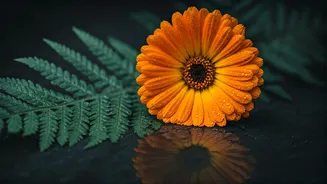
Marigolds are deeply woven into the cultural fabric of India. Their vibrant orange and yellow hues are not just beautiful; they are symbols of the sun, positivity, and divine blessings. For centuries, these flowers have been an essential part of festivals,
weddings, and daily rituals, offered in temples and strung into garlands to adorn doorways and idols. They are particularly significant during festivals like Diwali and Dussehra. This renewed interest in marigolds is, in part, a collective embrace of these deep-rooted traditions. By bringing marigolds into their homes, people are not just buying a plant; they are connecting with a heritage of celebration and devotion that feels both familiar and deeply reassuring.
The Rise of the Urban Jungle
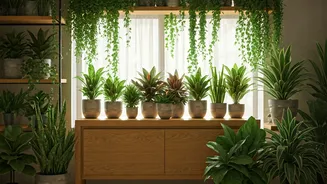
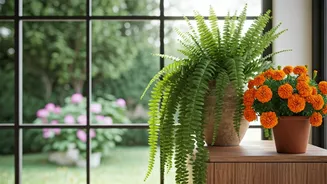
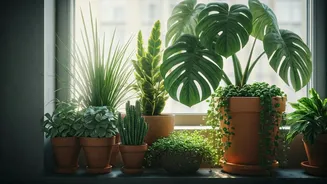
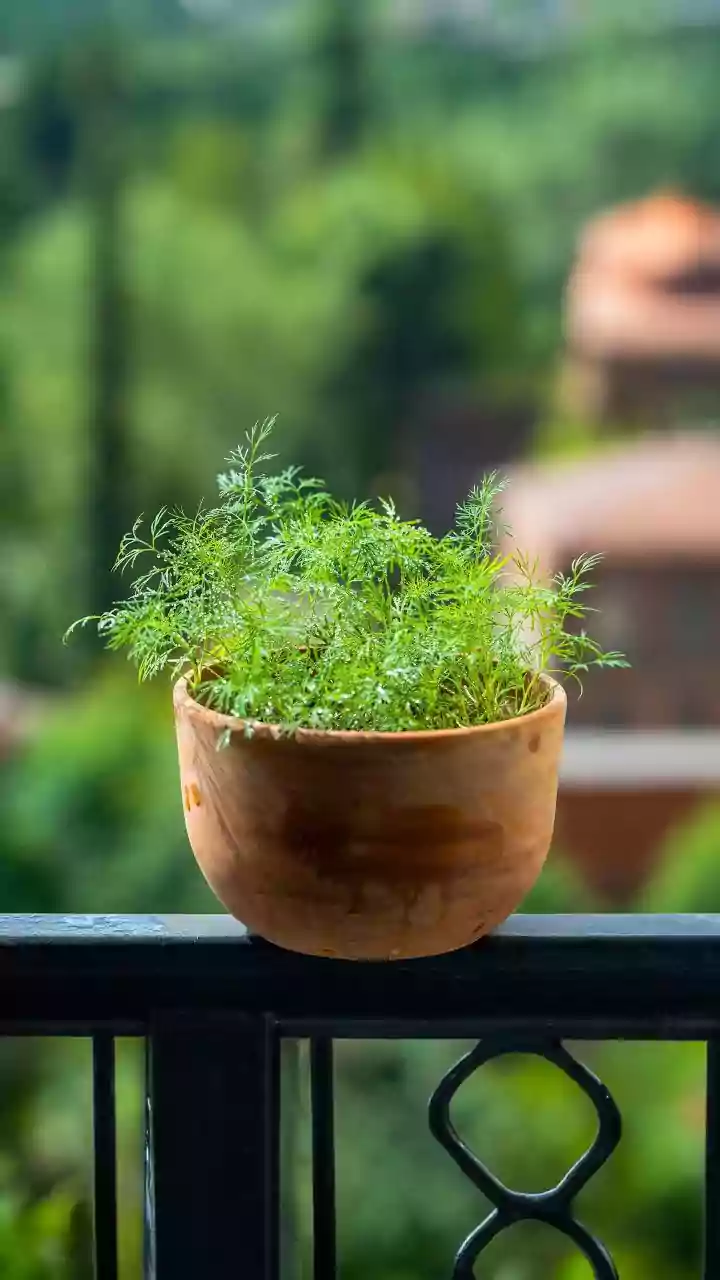
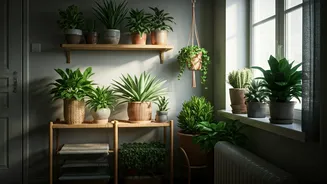
While marigolds connect us to our cultural roots, ferns appeal to our modern quest for wellness and aesthetic calm. The global trend of creating 'urban jungles' indoors has taken firm root in India. Ferns, with their lush, feathery fronds, are stars of this movement. They bring a touch of tropical serenity to apartments and workspaces, transforming sterile corners into calming green retreats. Beyond their visual appeal, ferns are celebrated for their air-purifying qualities. Studies have shown they can help remove common indoor pollutants, making our living spaces healthier. In a world where we spend more time indoors, the desire for a home that feels like a sanctuary—full of life and clean air—is a powerful motivator, and ferns deliver on that promise.
The Importance of Buying Local
The emphasis on 'local' is perhaps the most significant part of this trend. There's a growing awareness that buying from neighbourhood nurseries and local growers has multiple benefits. Firstly, local plants are better adapted to the region's specific climate and soil conditions, meaning they are often hardier and easier to care for. This reduces the need for excessive fertilisers or pesticides. Secondly, it's an economic choice. Supporting local nurseries keeps money within the community and helps small businesses thrive in an increasingly competitive market. Finally, there is the environmental angle. Sourcing plants locally reduces the carbon footprint associated with long-distance transportation, making it a more sustainable choice for the planet.
Monsoon Planting Perfection
Timing is everything, and the current monsoon season is acting as a major catalyst for this gardening boom. The rainy season, from roughly June to September in most of India, provides the ideal conditions for planting. The abundant rainwater, cooler temperatures, and high humidity create a perfect environment for new plants to establish their roots and flourish. Nurseries see a natural surge in footfall during these months as both novice and experienced gardeners look to refresh their balconies and gardens. Marigolds and many fern varieties thrive in the monsoon moisture, growing faster and looking more vibrant than at any other time of year. The season itself encourages people to engage with nature, making it the perfect time to bring home a new plant.
Low-Maintenance Appeal for Modern Lives
In our fast-paced lives, convenience is key. Both marigolds and many common fern species are relatively easy to care for, which adds to their widespread appeal. Marigolds are famously hardy and can withstand a fair amount of sun and neglect. While ferns require more consistent moisture, they thrive in the indirect light often found in apartments and are generally forgiving as long as their need for humidity is met. This low-maintenance aspect makes them perfect for beginner gardeners or busy urban professionals who want the benefits of having plants without the demanding upkeep of more finicky species. This combination of resilience and beauty makes them a practical and rewarding choice for any home.