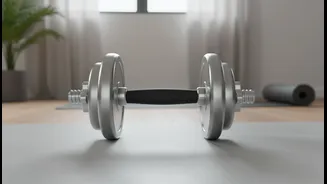









The Plateau Problem
Doing the same exercises every day can lead to a fitness plateau, where your progress stalls. Your body is a master of adaptation; once it gets used to a specific stress, it stops changing because the challenge is gone. This efficiency means you burn
fewer calories and stop building strength at the same rate. More than just halting progress, this repetition can lead to overuse injuries. Continuously stressing the same muscles, joints, and connective tissues without adequate rest increases the risk of strains and other issues that can set you back.
The Science of Smart Variation
The solution is a principle called progressive overload, which means gradually increasing the demands on your body. While many think this just means adding more weight, it also includes changing exercises, intensity, volume, and tempo. Varying your workouts is a form of progressive overload. By introducing new movements, you 'shock' your muscles, forcing different fibres and supporting muscles to activate in new ways. This not only breaks through plateaus but also builds a more balanced and functional strength, preventing the muscle imbalances that can occur from repetitive training.
How to Build a Varied Routine
A well-rounded fitness plan incorporates different types of exercise. Cross-training, which combines various activities, is a powerful strategy. A balanced week could include two to three days of strength training, two to three days of cardiovascular exercise, and at least one day dedicated to flexibility and mobility like yoga or stretching. Strength training builds muscle and boosts metabolism, cardio improves heart health and endurance, and flexibility work aids recovery and prevents injury. This approach ensures you’re developing all-around fitness, not just getting good at one thing.
Simple Ways to Mix It Up
You don't need to completely overhaul your routine every week. Small, strategic changes can make a huge difference. For strength training, try swapping an exercise for a similar variation, like changing from a back squat to a front squat to challenge your quads more. You can also alter your reps, sets, or rest periods. For cardio, if you usually jog, try cycling or swimming to work different muscles and give your joints a break. Even changing the intensity, like adding short sprints to your run, can introduce a new stimulus. Experts often suggest adjusting your routine every four to six weeks to keep your body guessing.
The Essential Role of Recovery
Progress doesn't happen in the gym; it happens during rest. Exercise creates microscopic tears in your muscles, and it's during recovery that your body repairs these tears, making the muscles stronger. Training the same muscles intensely every day prevents this crucial repair process, leading to overtraining, fatigue, and a higher risk of injury. A rest day doesn't have to mean sitting on the couch. Active recovery, which involves light activities like walking or gentle yoga, can promote blood flow and help reduce muscle soreness. Aim for at least one full rest day per week, and listen to your body—fatigue and persistent soreness are signs you may need more downtime.