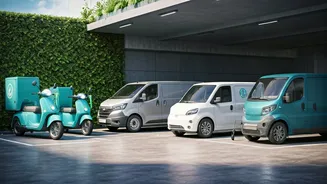





The Challenge of Last-Mile Delivery
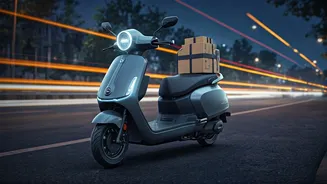
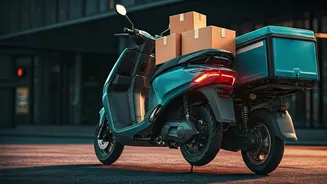
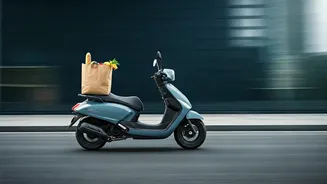
Last-mile delivery is the backbone of India's booming e-commerce and quick-commerce sectors. Millions of gig workers navigate dense urban streets to deliver everything from groceries to packages. For these riders, efficiency isn't a buzzword; it's the key
to their livelihood. However, they face significant hurdles, including the high and volatile cost of petrol, which can consume a large portion of their earnings. A recent study by Flipkart found that nearly 90% of its delivery partners spend between ₹2,000 and ₹5,000 per month on fuel alone. Beyond fuel, there is the physical toll of navigating congested city traffic on internal combustion engine (ICE) scooters, the constant maintenance, and the pressure to complete deliveries quickly.
What Exactly is EV Assist?
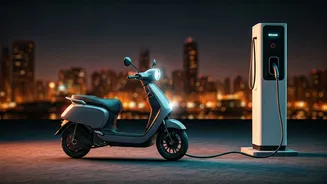
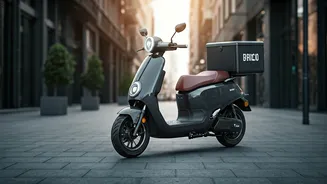
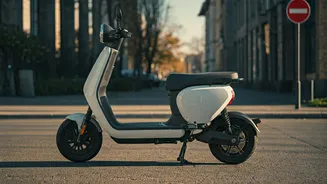
Contrary to being a single piece of hardware, 'EV Assist' has recently emerged as a term for digital platforms designed to help delivery workers transition to electric vehicles. In early June 2026, Flipkart launched a platform named EV Assist, a digital marketplace that connects its delivery executives with various EV rental companies. The goal is to remove the primary barriers that prevent riders from switching to electric: high upfront costs, uncertainty about vehicle performance, and the hassle of finding reliable rental options. Through these platforms, riders can browse and compare different electric two-wheelers, check weekly rental prices, and connect directly with verified mobility providers, all through a single interface.
Making the Switch Simple and Affordable
The core function of an EV Assist platform is to make electric mobility practical and accessible. Instead of needing to purchase an EV outright, riders can opt for weekly rental plans that often range from under ₹1,000 to over ₹2,000. Crucially, these rental agreements typically bundle in essential services like vehicle maintenance and operational support, reducing the day-to-day responsibilities for the delivery partner. This model addresses a key concern for gig workers: vehicle upkeep and unexpected repair costs. By aggregating options from multiple vendors, these platforms create a competitive and transparent market, allowing riders to choose a plan that fits their budget and location.
The Economic Benefits for Riders
The most significant advantage for delivery workers is the potential for increased income. Industry estimates suggest that switching to an electric two-wheeler can reduce fuel and energy costs by as much as 70–80%. When combined with lower maintenance needs, this can boost a delivery partner's income by 15–20%. These savings are substantial for gig workers operating on tight margins. For instance, some reports indicate that delivery riders who switch to EVs can save up to ₹4,000 per month on fuel costs alone. This financial relief not only improves their take-home pay but also provides stability in an industry often affected by fluctuating fuel prices.
The Broader Impact on Logistics
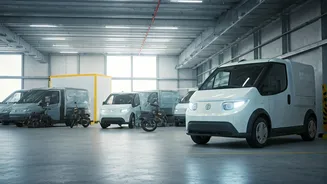
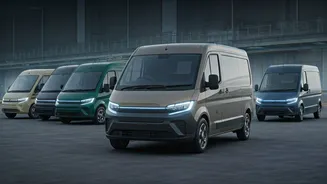
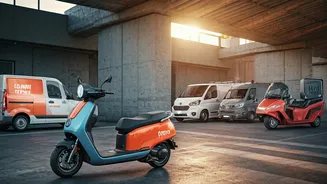
For companies, facilitating the transition to EVs is a strategic move. Major players like Flipkart, Zomato, and Big Basket have set ambitious goals to electrify their delivery fleets by 2030. Platforms like EV Assist are crucial tools to achieve these targets. The shift is driven by more than just sustainability goals; it's about operational efficiency. Electric vehicles, with their simpler architecture, allow for easier integration of technologies like GPS tracking, telematics, and geofencing for better fleet management and theft prevention. Furthermore, as urban centres become more sensitive to noise and air pollution, silent, zero-emission EVs offer a competitive advantage, especially for night-time and residential deliveries. This move is part of a larger trend where technology is enabling a more efficient and sustainable logistics ecosystem in India.