

A Major Shift in Travel Habits
The perception of monsoon as a travel dead zone is officially over. Recent data reveals a significant spike in travel during the rainy months. According to search data from Airbnb, domestic monsoon vacation searches have risen by nearly 40% year-on-year.
This isn't just a minor uptick; it's a structural shift indicating that the monsoon has established itself as a powerful travel driver, distinct from the traditional peak seasons of summer and winter. This surge is partly fuelled by a change in how people vacation. Many travellers, especially from the Gen Z demographic, now prefer multiple short trips, or 'micro-cations', over a single long annual holiday. The flexibility of three-to-five-day getaways aligns perfectly with exploring the unique charm of a rain-soaked landscape.
The Appeal of a Rain-Washed World
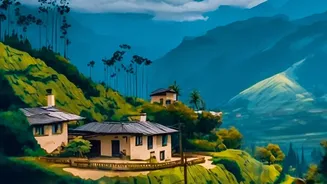
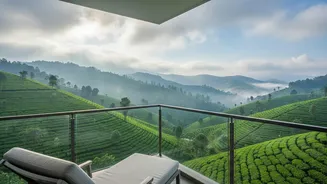
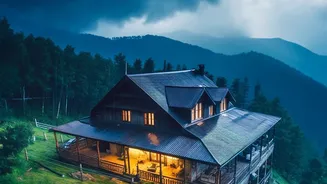
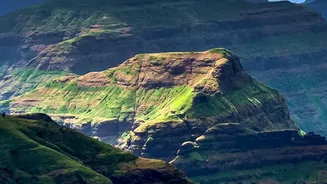
So, what's behind this newfound love for a wet and wild holiday? The advantages are compelling. First, the landscapes are transformed into lush, emerald wonderlands. Places that are dry and barren for much of the year burst into life, with waterfalls at full roar and forests glistening. This is particularly true in the Western Ghats, where destinations like Coorg, Lonavala, and Munnar become almost unrecognisable. Beyond the stunning scenery, there are practical benefits. Fewer crowds mean a more peaceful and immersive experience, allowing travellers to connect with a destination without the usual tourist rush. This is complemented by a significant drop in prices. Hotel tariffs can be 20-50% lower than in the peak winter season, making luxury stays suddenly much more accessible.
Where to Chase the Clouds
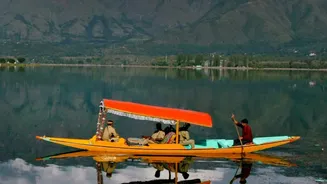
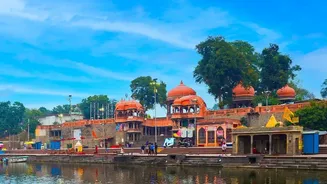
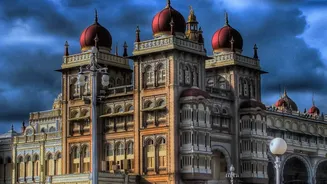
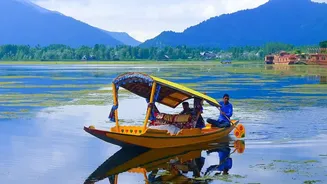
A variety of destinations are benefiting from this trend. While classic monsoon favourites like Kerala and Goa continue to see robust demand, travellers are also looking further afield. Hill stations are a major draw, with searches for places like Rishikesh and Mussoorie growing by over 160% and 200% respectively, according to Booking.com data. In Rajasthan, cities like Udaipur and Jaipur, once considered too hot, now attract visitors who come to see the lakes full and palaces gleam under overcast skies. The Northeast has also emerged as a standout, with states like Meghalaya—fittingly called the 'Abode of Clouds'—and Arunachal Pradesh seeing a significant rise in flight bookings. Even in Maharashtra, spots like Malshej Ghat and Matheran offer dramatic, misty landscapes just a short drive from major cities.
An Industry Adapting to a New Season
The travel and hospitality industry has been quick to embrace this year-round demand. What used to be a lean period is now an opportunity. Hotels and tour operators are rolling out dedicated monsoon campaigns and attractive packages to lure travellers. These often bundle accommodation with experiences tailored to the season, such as wellness retreats in Kerala, which are considered particularly effective during the monsoon. This shift benefits not only large hotel chains, which report bookings pacing ahead of previous years, but also local economies in non-metro destinations. Searches for these smaller towns and regions have surged by over 40%, driven by a desire for authentic local culture and a slower pace of life.