





The Summer Workout Struggle
Exercising in the heat and humidity of an Indian summer presents a unique set of challenges. As your body works harder to cool itself down, you sweat more. This isn't just water loss; your sweat is packed with essential electrolytes, most notably sodium.
Losing too much fluid and too many electrolytes can lead to dehydration, fatigue, and the sudden, sharp pain of exercise-associated muscle cramps. These cramps can derail a workout and leave you sore for days. While hydrating is a well-known solution, simply drinking plain water might not be enough to replace everything you’ve lost, especially during intense or prolonged sessions.
Why Coconut Water Is a Fitness Favourite
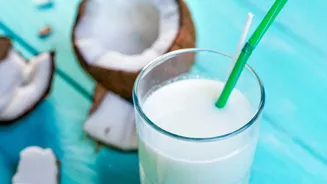
Coconut water has earned its reputation as 'nature's sports drink' for good reason. It’s naturally hydrating, low in calories, and contains a powerhouse of electrolytes, especially potassium. A single cup can provide a significant amount of your daily potassium needs, an electrolyte crucial for proper muscle function and fluid balance. It also contains natural sugars, which provide a quick and easily digestible source of energy before a workout. For light to moderate exercise, many find coconut water to be a refreshing and effective alternative to commercial sports drinks that can be high in added sugars and artificial ingredients.
The Underrated Role of Salt
For years, salt has been viewed as a dietary villain. However, for active individuals, sodium is not the enemy. It's the primary electrolyte lost through sweat. An intense, hour-long workout can result in the loss of 500 to 1500mg of sodium, and in hot conditions, that number can be significantly higher. Sodium is critical for nerve impulses, muscle contractions, and maintaining fluid balance in the body. When you lose a lot of sodium and replace it with only plain water, you can dilute the sodium concentration in your blood, which can impair performance and, in rare, extreme cases, lead to a dangerous condition called hyponatremia. Replenishing sodium is key to effective hydration and preventing cramps.
The Science of the Combination
This is where the hack comes together. While coconut water is rich in potassium, it is naturally low in sodium. By adding a pinch of salt (like Himalayan pink salt or sea salt), you are creating a more comprehensive electrolyte drink. This combination more closely mimics the composition of your sweat, replacing both the significant sodium and the lesser potassium you lose. The sodium not only replenishes your losses but also helps your body absorb and retain the fluid more effectively, stimulating thirst and ensuring you stay properly hydrated. This balanced approach supports optimal muscle function and can be a powerful strategy to keep cramps at bay.
How to Make and Use It
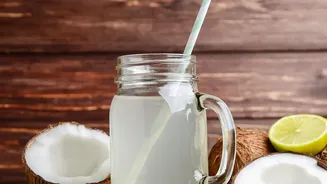
Creating your own pre-workout electrolyte drink is incredibly simple. For one serving, take about 250-300ml of unsweetened coconut water and add a small pinch of salt—around 1/4 teaspoon. Stir until it dissolves. It's best consumed about 30 to 60 minutes before you start your workout to give your body time to absorb the fluids and electrolytes. For those who find the taste of plain coconut water a bit strong, you can add a squeeze of lime or a splash of orange juice for flavour, which also adds a little extra vitamin C.
Is This Hack Right for Everyone?
While effective, this strategy is not a one-size-fits-all solution. This pre-workout is most beneficial for those engaging in moderate to intense exercise for 60 minutes or longer, particularly in hot and humid conditions where you're sweating heavily. For a light walk, a short yoga session, or a workout in an air-conditioned gym, plain water is likely sufficient. Furthermore, individuals with high blood pressure, kidney issues, or those on a medically prescribed low-sodium diet should exercise caution. Excess sodium intake can be harmful for these groups, and it's always best to consult with a doctor or a registered dietitian before making significant changes to your diet or hydration strategy.