





The Foundation of a Flourishing Garden
Success in monsoon gardening starts well before you plant the first seed. The single most critical factor is drainage. Heavy rains can quickly lead to waterlogged pots, which suffocates roots and invites rot. Ensure every container has ample drainage holes.
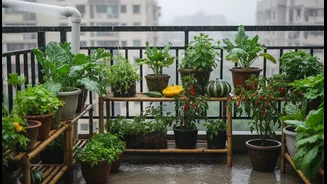
It's a simple but non-negotiable rule. Elevating pots on bricks or stands is another pro-tip, allowing excess water to escape freely and preventing your plants from sitting in stagnant puddles. For your soil, choose a light, well-draining potting mix. A combination of garden soil, compost, and cocopeat or sand creates an ideal environment that retains moisture without becoming compacted.
Choosing Your Monsoon Greens
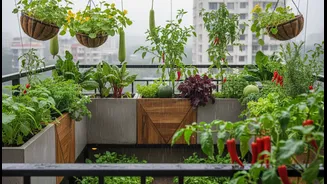
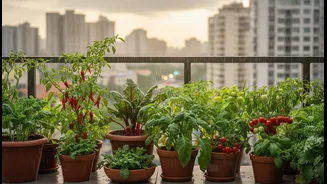
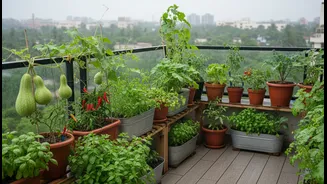
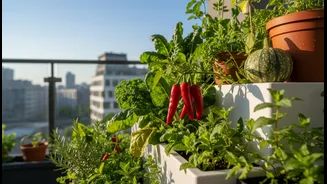
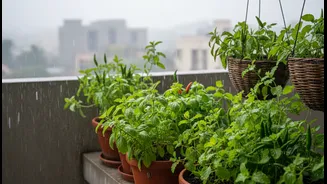
Leafy greens are some of the most rewarding vegetables to grow during the monsoon as they grow rapidly in the humid weather. Varieties like spinach (palak), amaranth (chaulai), and fenugreek (methi) are excellent choices for balcony containers. These plants don’t require deep pots and can be grown in rectangular planters attached to railings, making efficient use of small spaces. The consistent moisture from the rain means you’ll rarely have to water them manually, but it's still wise to check the soil. One key benefit is the ability to have a continuous harvest; you can snip leaves as needed for your daily meals, and the plant will continue to produce.
The Impact on Gourds and Climbers
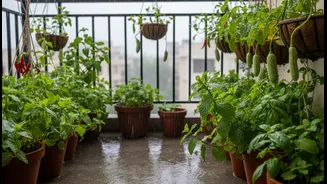
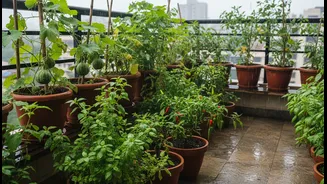
The monsoon is the prime season for gourds, which are vigorous growers. Varieties like bottle gourd (lauki), ridge gourd (turai), and bitter gourd (karela) thrive in the high humidity and warmth. However, these are climbing plants and require support. On a balcony, this means setting up a sturdy trellis or using the railing for them to latch onto. Strong winds accompanying rain can damage these vines, so securing them is crucial. It's also important to use large, deep containers (25 litres or more) to accommodate their root systems and support their explosive growth. With proper care, a single gourd plant can be highly productive throughout the season.
Cultivating Chillies and Aromatic Herbs
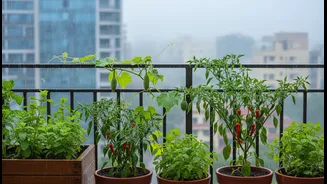
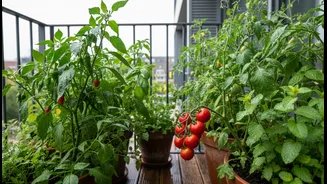
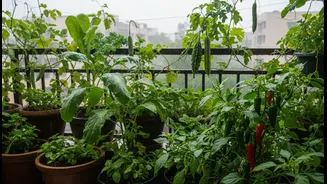
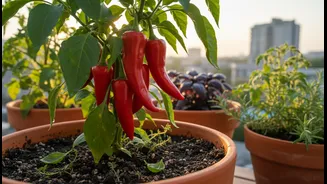
Chillies are a staple in Indian cuisine and grow well during the rainy season. They love the warmth but require plenty of sunlight, which can be a challenge during overcast monsoon days. Position your chilli plants in the brightest spot on your balcony. While they enjoy the rain, they are also susceptible to fungal diseases in high humidity, so ensure good air circulation between plants. Herbs like mint, coriander, and lemongrass flourish in the moist conditions. Tulsi (holy basil) also does well but should be partially sheltered from constant, heavy downpours to prevent leaf rot. Growing these herbs provides not only fresh flavours for your kitchen but also fills your balcony with delightful fragrances, especially after a fresh shower of rain.
Monsoon Plant Care and Protection
While the rain provides free water, it also brings challenges. Overwatering is a real risk. Always check if the top inch of soil is dry before watering manually, as even on rainy days, covered parts of a balcony might not get wet. Pests and fungal diseases thrive in damp, humid weather. To mitigate this, space your pots to allow for good airflow and consider a preventive spray of neem oil solution every couple of weeks. For delicate plants, or during exceptionally heavy downpours, you might need to offer some protection. Moving smaller pots to a sheltered spot or covering them temporarily can prevent damage from strong winds and intense rain. Finally, be a responsible city gardener and ensure no stagnant water collects in pot saucers or trays to prevent mosquito breeding.