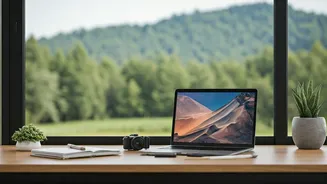










The End of the Morning Rush?
For decades, the ideal morning was a frantic one: waking before dawn, hitting a high-intensity workout, and rushing through a commute to be the first at the desk. That image of productivity is now being challenged. A growing movement towards "slow mornings"
is taking root, particularly among professionals in high-pressure fields. This isn't about being lazy; it's a deliberate choice to trade chaos for calm. It means prioritising mindfulness over multitasking, and starting the day with intention rather than on autopilot. The goal is to set a positive, grounded tone for the hours ahead, believing that a peaceful start leads to a more focused and effective day.
From Pandemic Perk to Permanent Practice
The widespread shift to remote and hybrid work was a major catalyst for this trend. With commutes eliminated, professionals in cities like Bengaluru, Mumbai, and Gurgaon suddenly found themselves with an extra hour or two in the mornings. Initially, this time might have been spent working more, but increasingly, people are reclaiming it for personal well-being. What started as a forced change during the pandemic has evolved into a conscious lifestyle choice. Professionals discovered that using this time for quiet reflection, exercise, or family breakfast reduced stress and improved their overall work-life balance, making them reluctant to return to the old way of life.
A Rebellion Against Hustle Culture
The slow morning trend is a direct rejection of the "hustle culture" that glorified burnout and treated exhaustion as a status symbol. For years, professionals were told that success required constant grinding and personal sacrifice. The result, for many, was anxiety, burnout, and diminished productivity. Starting the day slowly is a form of self-respect, a way of saying that well-being is a prerequisite for good work, not a reward for it. By refusing to check emails from bed or dive into work immediately upon waking, people are setting a powerful boundary that protects their mental energy for the tasks that truly matter.
What a ‘Slow Morning’ Looks Like
There is no single formula for a slow morning; its power lies in its personalisation. For some, it might mean meditating or journaling for 10 minutes. For others, it could be sipping coffee by a window without looking at a screen, reading a few pages of a book, doing some light stretching, or taking a short walk. The common thread is the absence of rush and digital noise. It's about consciously engaging in activities that are nourishing and calming before the demands of the workday begin. The key is to swap reactive habits, like scrolling through social media, for proactive rituals that ground you in the present moment.
Redefining Peak Performance
Contrary to old beliefs, starting slow doesn't mean being unproductive. In fact, evidence suggests the opposite. Easing into the day can help regulate stress hormones like cortisol, which can spike during a rushed morning and impair cognitive function. A calm, focused start can lead to better decision-making, enhanced creativity, and more sustained energy throughout the day, preventing the common afternoon slump. Companies are also taking note, with some implementing "no meetings before 10 AM" policies to protect this valuable time for focused work and employee well-being.