




Analyse the Forecast, Not Just the Icon
Don't just glance at the sunny or rainy icon on your weather app. Look deeper. The India Meteorological Department (IMD) has forecast that heavy rainfall will continue across several parts of the country into the first week of September. Regions like
Odisha, Chhattisgarh, and Northeast states such as Arunachal Pradesh are expected to see significant rainfall. Check for warnings about heavy or "extremely heavy" rainfall spells, not just the chance of a light shower. Also, pay attention to humidity levels and temperature, as this will affect what you need to pack and your comfort during sightseeing. While some parts of the country, like Rajasthan, may be drier, others, like Goa and Kerala, are just emerging from heavy rains, meaning you can still expect wet days.
Scrutinise Your Route, Not Just the Destination
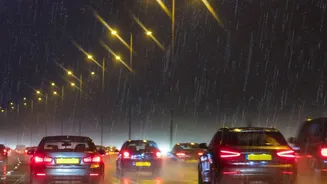
A destination might be safe, but the journey there could be treacherous. Monsoon rains, especially in their final stages, can leave roads in a perilous state. This is particularly true for hilly and coastal routes. Before heading out on a road trip, check for real-time updates on road closures, landslides, and waterlogging. Driving on wet highways significantly increases braking distance and the risk of aquaplaning. Experts recommend reducing your speed by 30-40%, keeping your headlights on low-beam even during the day for visibility, and maintaining a much larger following distance from the vehicle ahead. Driving at night on ghat sections should be avoided entirely. If heavy rain reduces visibility to less than 50 metres, the safest action is to pull over and wait for conditions to improve.
Choose Your Destination Wisely
While the monsoon is retreating, its grip isn't uniform across the country. September is a great shoulder season for places like Rajasthan and the Golden Triangle (Delhi, Agra, Jaipur), where crowds are thin and the landscape is green. However, areas in the eastern Himalayas, like Darjeeling, may still be quite wet. Hill stations in the Western Ghats like Lonavala, Mahabaleshwar, and Munnar can be stunningly beautiful but are also prone to landslides during heavy downpours. It's crucial to check local conditions. Some national parks, like Ranthambore, remain closed in September. Conversely, it can be a good time to visit Tamil Nadu, which sits in a brief dry spell before its own northeast monsoon begins.
Pack for Dampness and Delays
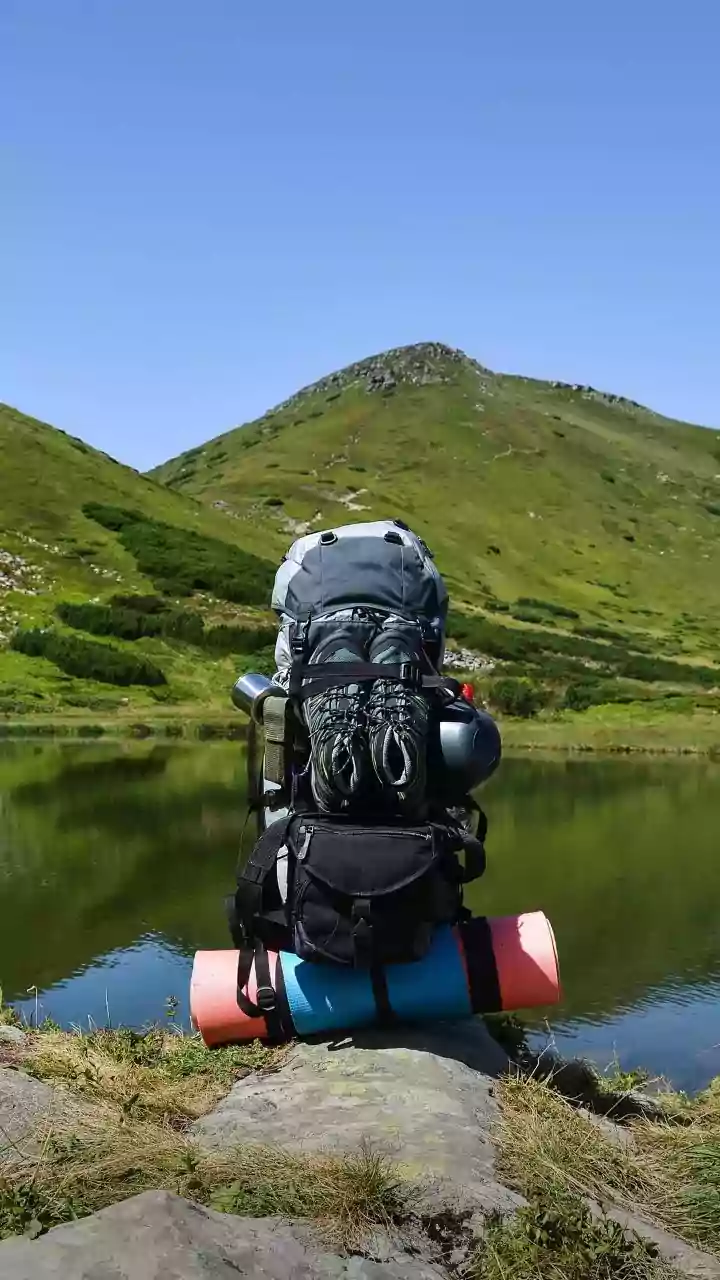
Your packing list needs to be practical. Prioritise quick-drying clothes and breathable fabrics. Fungal infections are common in damp conditions, so keeping your skin and feet dry is essential. Pack an extra pair of sturdy, non-slip footwear so one pair can dry while you wear the other. A reliable waterproof jacket and umbrella are non-negotiable. It is also wise to pack a basic first-aid kit with antiseptics, bandages, and any personal medications. Given the potential for road closures and other delays, having a power bank to keep your phone charged is crucial for staying connected and informed.
Prioritise Health and Hygiene
The post-monsoon period is notorious for a spike in waterborne and mosquito-borne diseases. Stagnant water becomes a breeding ground for mosquitoes carrying dengue, malaria, and chikungunya. Use mosquito repellent consistently, especially during the early morning and late afternoon, and wear long-sleeved clothing. Be extremely cautious about food and water. Avoid street food, especially pre-cut fruits and raw items, which can be easily contaminated. Stick to bottled or boiled water to prevent waterborne diseases like typhoid and cholera. Maintaining personal hygiene, like frequent hand washing, is one of the simplest and most effective ways to stay healthy.
Confirm Bookings and Insurance
The unpredictability of late monsoon weather makes flexible travel plans a smart move. When booking hotels and transport, look for options with lenient cancellation or rescheduling policies. Before you leave, confirm that your chosen hotels are operational and accessible. Travel insurance that covers trip disruptions or cancellations due to weather is also a worthy investment for peace of mind. Given that some regions may still have active weather warnings, it’s always better to be prepared for last-minute changes to your itinerary.