
The Ultimate Off-World Resource
Water is the single most valuable substance in space, but not just for drinking. Its two core components, hydrogen and oxygen, are the lifeblood of deep-space exploration. By splitting water molecules—a process called electrolysis—future lunar inhabitants
can produce breathable air (oxygen) and the most efficient chemical rocket propellant known (liquid hydrogen and liquid oxygen). This concept, called in-situ resource utilization (ISRU), is a complete game-changer. It means the Moon could one day be more than a destination; it could become a vital refueling station for more ambitious missions to Mars and beyond, dramatically lowering the cost and complexity of venturing further into the solar system. Suddenly, the idea of a self-sustaining lunar presence looks less like a dream and more like a sound economic strategy.
Painting a Picture of the Poles
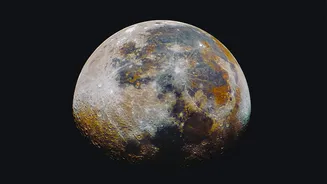
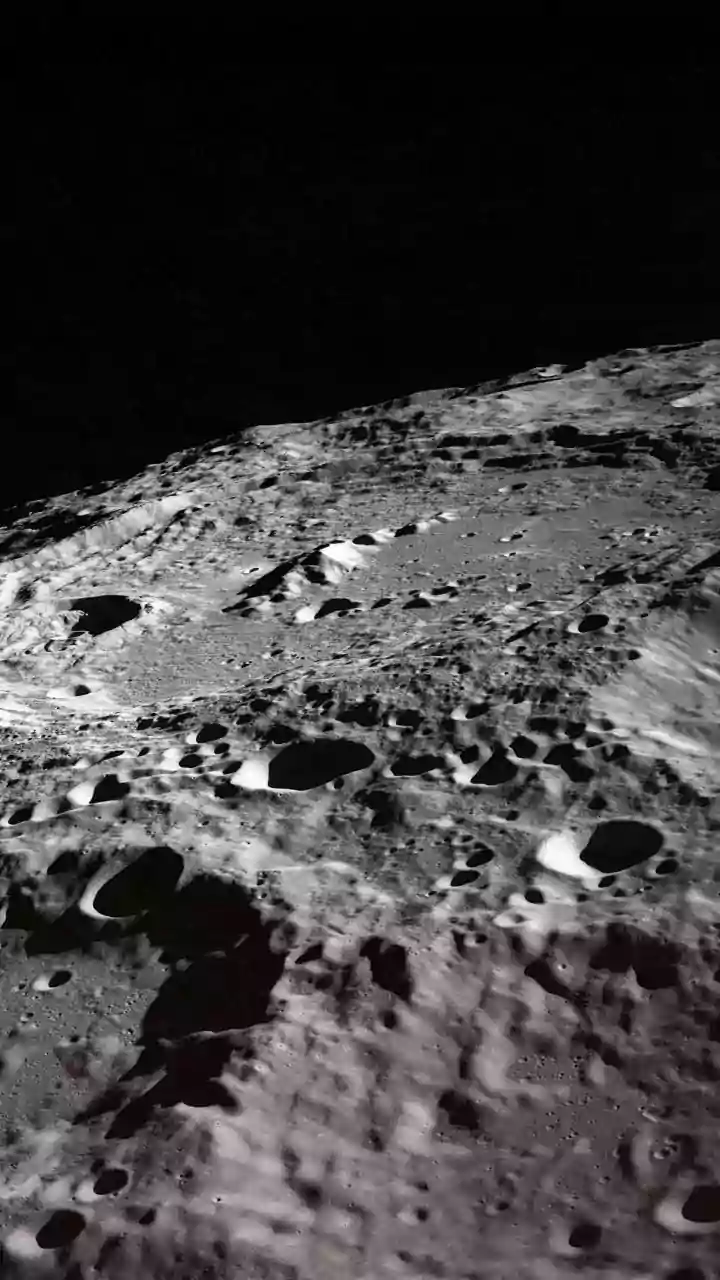
Scientists have known for years that water exists on the Moon, primarily in the form of ice trapped in permanently shadowed regions (PSRs) near the poles. These are some of the coldest places in the solar system, where the sun never shines, allowing ice to remain stable for billions of years. The challenge is that this ice isn't a vast, smooth skating rink. It's likely mixed with lunar soil (regolith) in varying concentrations, like sugar mixed with coffee grounds. To find the most promising deposits, a new generation of orbiters and rovers is creating the first-ever resource maps of another celestial body. Orbiters like NASA’s Lunar Reconnaissance Orbiter (LRO) and Korea's Pathfinder Lunar Orbiter (KPLO) use instruments like neutron spectrometers and highly sensitive cameras to detect hydrogen—a key indicator of water—from above. These missions create broad maps that identify promising areas for a closer look.
From Maps to Ground Truth
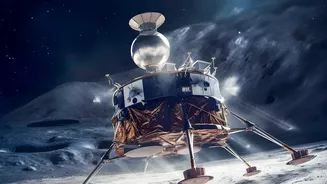
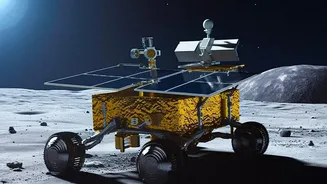
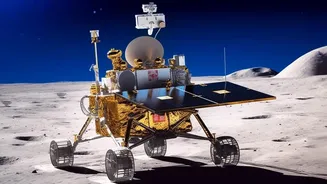
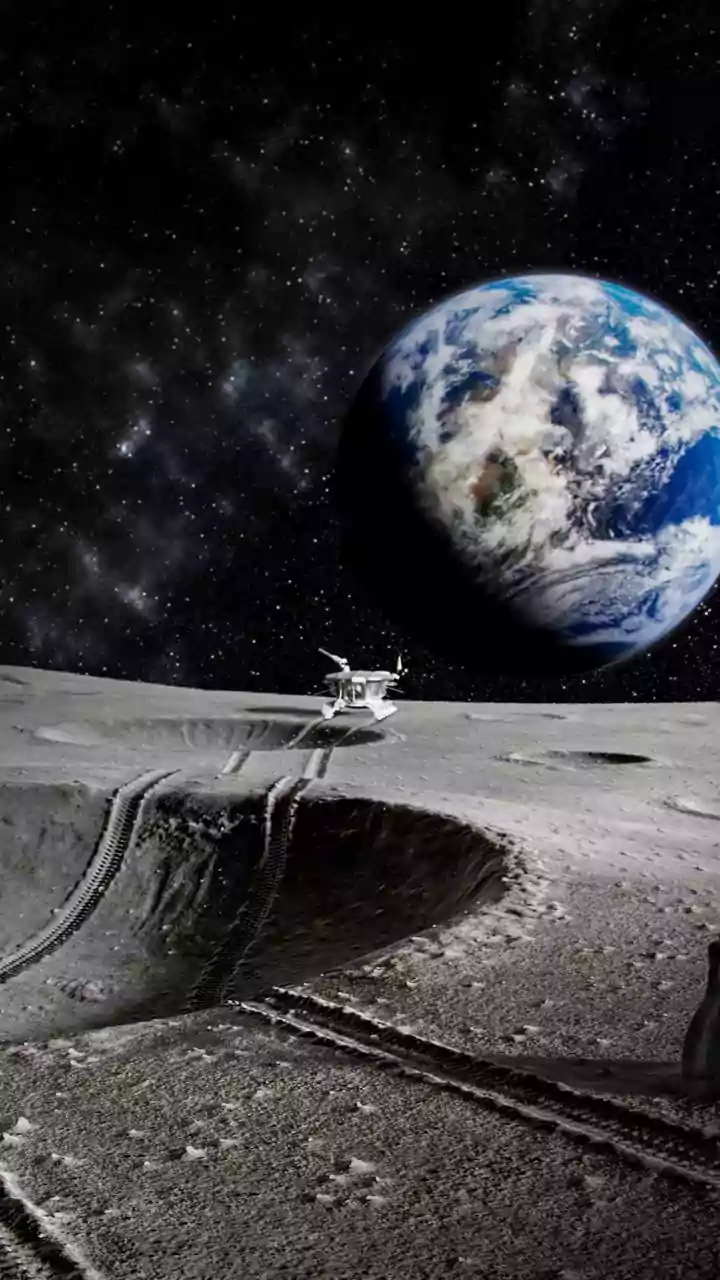
Orbital maps are just the first step. To confirm the quantity and quality of the ice, you need boots—or wheels—on the ground. This is the job of robotic prospectors. While NASA's ambitious VIPER rover mission was cancelled in 2024 due to budget constraints, the technology and goals live on. The plan for such rovers involves drilling into the lunar surface to extract soil samples from up to a meter deep. Onboard instruments then analyze these samples to measure the exact concentration and composition of the water ice. Future prospecting missions are on the horizon, including international collaborations like the LUPEX mission from Japan and India, and ESA's MAGPIE rover, planned for 2029. These missions will venture into the dark, frigid craters to turn orbital guesswork into actionable data, essentially creating treasure maps for future mining operations.
The Dawn of a Lunar Economy
Accurate water maps are the foundation of a future lunar economy. Knowing where the most accessible, high-concentration ice deposits are located allows space agencies and commercial companies to plan missions with greater certainty. This de-risks the immense investment required to build a permanent lunar base as part of programs like Artemis. With a reliable local source of water, a lunar base becomes exponentially more sustainable and affordable. It opens the door for commercial ventures focused on resource extraction, processing, and selling propellant in cislunar space. This infrastructure is what will enable not just science and exploration, but also potential commercial activities that could one day provide value back to Earth.
Challenges in the Eternal Shadows
Prospecting for and extracting lunar ice is not simple. The PSRs where the ice is most abundant are brutally cold, with temperatures dipping to just a few dozen degrees above absolute zero. Operating robotic equipment in this extreme environment is a monumental engineering challenge. Rovers must be able to survive the darkness without solar power and keep their instruments from freezing. Furthermore, recent studies using sensitive cameras have suggested that large, exposed sheets of surface ice may be rare, with the water more likely mixed into the regolith in lower concentrations than previously hoped. This makes efficient extraction technology even more critical. Overcoming these hurdles—from powering robots in the dark to effectively mining frozen soil—is the next great challenge in making a sustainable lunar settlement a reality.