
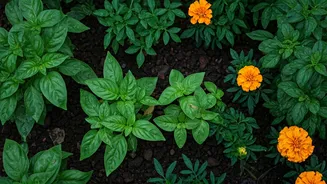


Why Monsoon is a Gardener's Best Friend
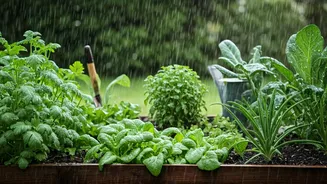
Many people think of gardening as a sunny-day activity, but the monsoon provides a unique advantage, especially for those new to planting. The primary benefit is, of course, the free and consistent watering provided by nature. The high humidity in the air
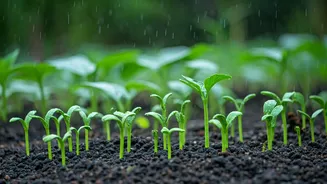
helps seeds to germinate faster and keeps young saplings from drying out. Cooler temperatures also reduce the stress on plants, allowing them to establish strong roots without battling scorching heat. This combination of natural irrigation and a gentler climate creates a forgiving environment where a few rookie mistakes won't necessarily lead to disaster. It's like having a helping hand from the weather itself, making your first foray into gardening much more likely to succeed.
Easy Picks: What to Plant Now
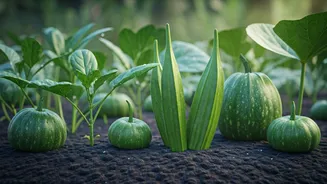
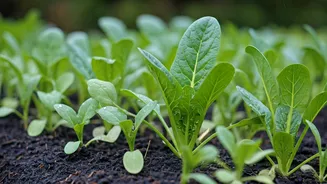
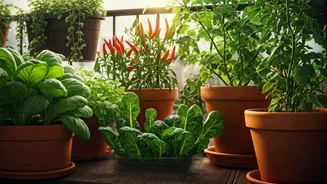
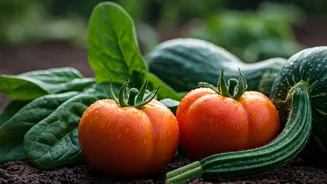
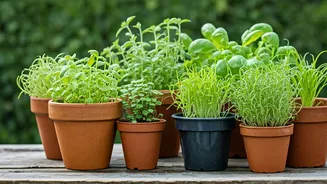
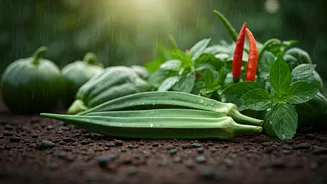
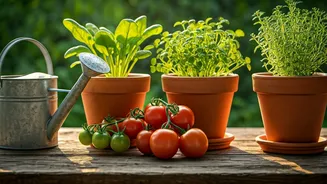
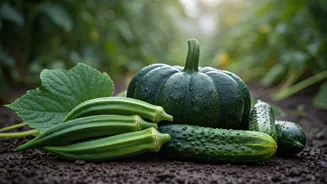
The key to a successful first garden is choosing the right plants. During the monsoon, you want hardy, fast-growing varieties that thrive in moist conditions. Here are a few foolproof options: * **Leafy Greens:** Spinach (Palak), Amaranth (Chaulai), and Fenugreek (Methi) grow incredibly fast in the monsoon. You can often harvest them within a month of planting, providing a quick and satisfying reward. * **Gourds:** This is the season for Bottle Gourd (Lauki), Ridge Gourd (Tori), and Bitter Gourd (Karela). They love the rain, but you will need to provide them with some support or trellis to climb as they grow. * **Okra (Bhindi):** A beloved vegetable across India, Bhindi is a robust plant that produces consistently throughout the monsoon season. It’s relatively low-maintenance and resistant to many common pests. * **Herbs:** Aromatic herbs like Mint (Pudina), Coriander (Dhania), and Basil (Tulsi) do exceptionally well in pots on a windowsill or balcony. They don’t require much space and add fresh flavour to your cooking.
Setting Up Your Green Corner
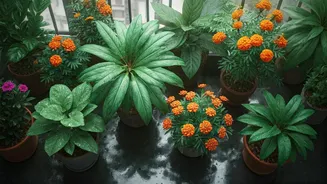
You don't need a sprawling lawn to start. A small balcony, a sunny window, or even a patio corner is more than enough. The most crucial element is your container. Choose pots or grow bags with plenty of drainage holes at the bottom. Stagnant water is the number one enemy of monsoon gardening, as it can lead to root rot. Next, focus on your soil. Instead of using heavy garden soil, opt for a light, well-draining potting mix. You can buy this pre-made or create your own by mixing equal parts soil, cocopeat (which retains moisture while staying light), and compost or vermicompost for nutrition. This combination ensures your plant's roots get the air, water, and nutrients they need without becoming waterlogged.
Monsoon Care: Essential Tips for Success
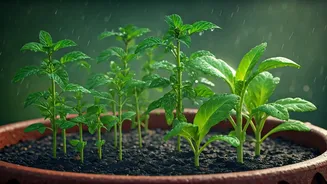
While the monsoon is helpful, it also brings specific challenges. The most important rule is to avoid overwatering. The rain will do most of the work, so check the soil before you water. Stick your finger about an inch into the soil; if it feels damp, hold off. Also, while rain is good, torrential downpours can damage delicate seedlings. If possible, move your pots to a slightly sheltered spot during very heavy storms. Ensure there's good air circulation around your plants by not placing them too close together. This helps the leaves dry faster after a rain, preventing fungal diseases from taking hold. Finally, give your pots a little boost every few weeks with a liquid fertiliser or by adding a handful of compost to the topsoil to replenish nutrients washed away by the rain.
Tackling Common Problems
With the damp weather come a few uninvited guests. Pests like aphids and mealybugs can multiply quickly. A simple, organic solution is to spray your plants with a neem oil solution (a few drops mixed with water and a little liquid soap). Fungal issues, appearing as white powder or dark spots on leaves, are also common. The best defence is prevention: ensure good drainage and air circulation. If you spot an infected leaf, prune it immediately to stop the spread. By keeping a watchful eye on your plants every couple of days, you can catch these small issues before they become big problems, ensuring your garden stays healthy and productive.