

First, What Is a Solar Storm?
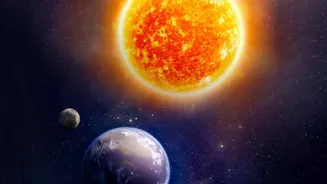
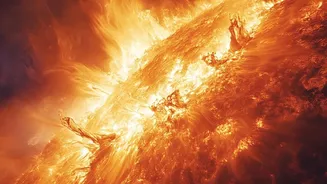
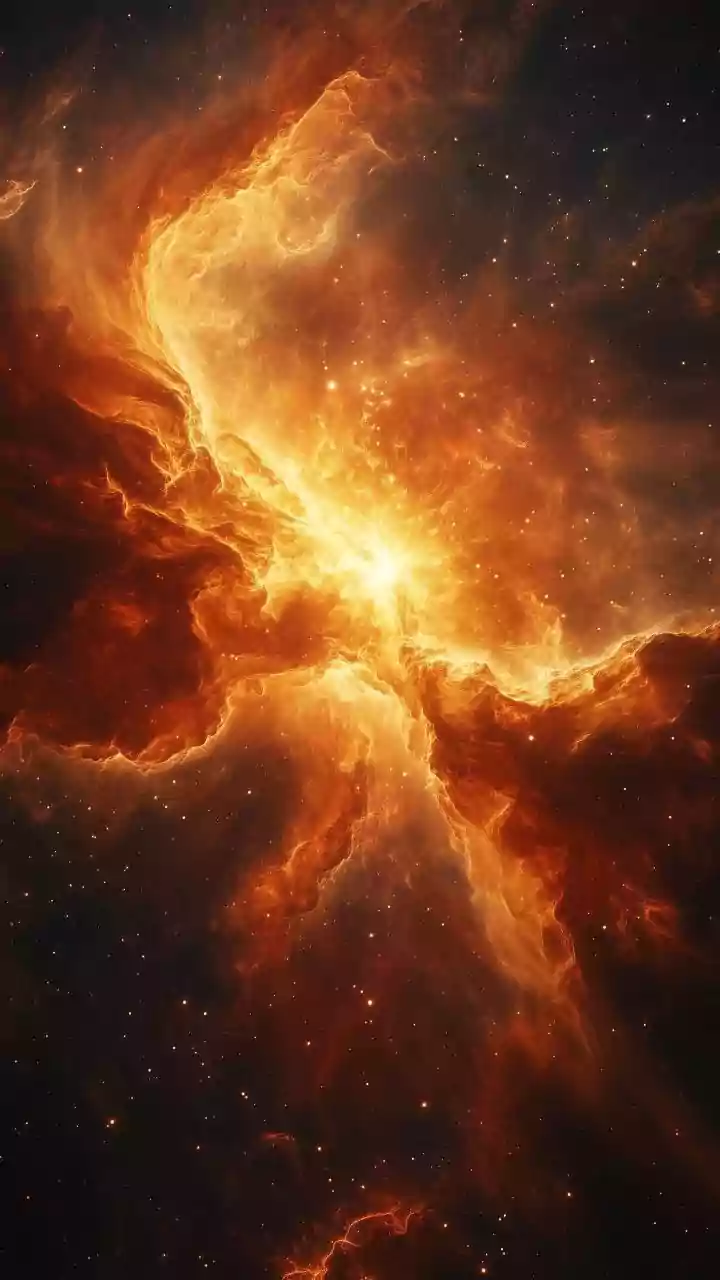
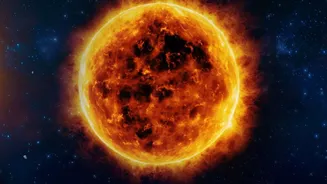
Think of a solar storm as a massive, energetic outburst from the Sun. Our star is a giant ball of hot, electrically charged gas, and it's not always calm. Sometimes, it unleashes huge explosions of energy and particles into space. There are two main types
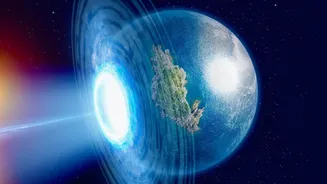
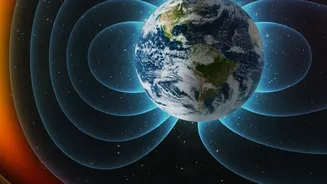
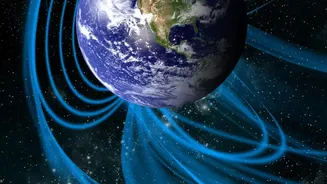
to know. First are solar flares, which are intense bursts of radiation that reach Earth at the speed of light. Second are Coronal Mass Ejections (CMEs), which are giant clouds of solar plasma and magnetic fields that travel more slowly, taking a few days to reach us. When these storms are aimed at Earth, they can cause a phenomenon known as a geomagnetic storm, which is what impacts our technology.
How Space Weather Jams Your GPS Signal
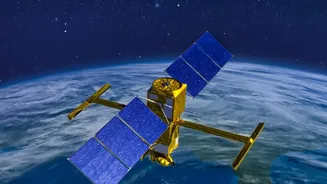
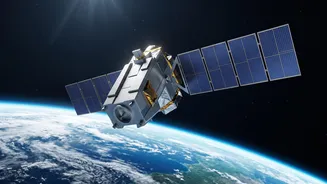
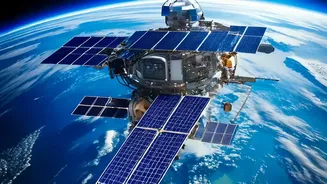
Your smartphone's GPS doesn't talk directly to the sun, but it does rely on a clear conversation with satellites orbiting Earth. These satellites constantly beam signals down, and your phone calculates your position by timing how long it takes for these signals to arrive. The problem is that these signals must pass through Earth's upper atmosphere, specifically a layer called the ionosphere. A solar storm pummels the ionosphere with charged particles, effectively making it turbulent and unstable. This atmospheric disturbance can delay, bend, or even block the GPS signals as they travel to your device. The result for you on the ground can range from your location being off by a few metres to a complete loss of signal, making your navigation app suddenly unreliable.
The Current Solar Climate: An Active Sun
If it feels like you're hearing more about solar activity lately, you're not wrong. The sun goes through an approximately 11-year cycle of high and low activity. We are currently in Solar Cycle 25, which is approaching its 'solar maximum'—the period of peak activity. This cycle has proven to be more active than originally predicted, meaning we can expect more frequent solar flares and CMEs in the coming months and years. This increased activity heightens the chances of space weather events that can interfere with our satellite-dependent infrastructure, from navigation and communication to power grids.
Is India's NAVIC System at Risk?
India has its own homegrown regional navigation system, NavIC (Navigation with Indian Constellation), which is a significant asset for strategic autonomy. The good news is that the Indian Space Research Organisation (ISRO) is constantly monitoring its fleet of satellites. During a major geomagnetic storm in May 2024, ISRO reported that its satellites were largely unaffected and there was no significant degradation of NavIC services. One reason for this resilience is that India's lower-latitude geographic position makes it less vulnerable than polar regions, which bear the brunt of geomagnetic storms. Furthermore, with dedicated missions like Aditya-L1 providing early warnings, ISRO is well-equipped to monitor and protect our critical space infrastructure.
What It Means for Your Daily Life
While a catastrophic, long-term GPS outage from a solar storm is a low-probability, high-impact event, minor disruptions are more common. Think about how much we rely on precise location data: booking an Ola or Uber, getting food delivered via Zomato or Swiggy, or simply navigating a new part of town with Google Maps. Aviation, shipping, and even financial systems that depend on GPS for precise timing can also be affected. During a strong solar event, you might notice your ride-hailing app struggling to find your location, or your food delivery driver taking an unusual route because their navigation is slightly off. These are the small but tangible ways space weather can trickle down to your everyday experience.
So, What Can You Do About It?
For the average person, there’s no need to build a special bunker for your phone. You can't stop a solar storm. The key is awareness. If you find your GPS acting erratically, especially if you hear news about a solar storm, understand that it might be a temporary atmospheric effect. A few practical tips include: try refreshing the app or restarting your phone's GPS. For important trips, consider downloading offline maps as a backup. Ultimately, the responsibility for protecting the infrastructure lies with organisations like ISRO, who work to make these systems resilient. For users, the best approach is to be informed and patient when our technology feels the effects of weather in space.