





First Steps: Visas and Planning
Planning your Omani adventure from India is more straightforward than you might think. Most Indian passport holders can apply for an electronic visa (eVisa) through the official Royal Oman Police portal. The process is entirely online, with options for 10-day
or 30-day tourist visas. Costs typically start from around 5 Omani Rials (OMR). To ensure a smooth process, have your documents ready: a passport with at least six months' validity, a digital photograph, and proof of accommodation and return flights. While some travellers with valid visas from countries like the US, UK, or Schengen area may be eligible for short visa-free stays, securing an eVisa in advance is the most reliable option for most.
Hiring Your Ride: Car Rentals and Costs
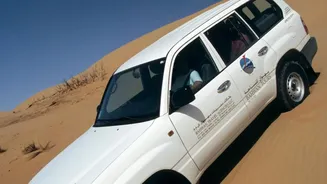
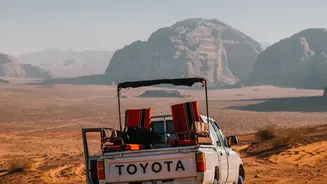
A rental car is essential for exploring Oman's best sights, as public transport doesn't reach the most scenic areas. Major international and local rental companies operate from Muscat International Airport and across the city. For a budget-friendly trip focusing on main highways and accessible wadis, a standard sedan like a Toyota Yaris or Hyundai Accent is perfectly adequate and economical. Daily rates for economy cars can start as low as 10-14 OMR. If your itinerary includes mountain tracks like Jebel Akhdar or deep desert exploration, a 4WD is necessary and will cost more, typically from 30 OMR per day. Fuel is significantly cheaper than in India, which helps keep running costs low. To rent, you'll need your Indian driving license (held for at least one year) and often an International Driving Permit.
On the Road: Classic Routes and Driving Tips
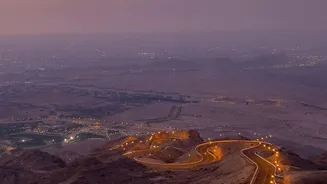
Oman boasts excellent, well-maintained highways with clear signage in both Arabic and English, making navigation easy for tourists. A classic and highly recommended route for first-timers is the coastal drive from Muscat to Sur. This journey takes you past some of the country's most iconic sights. Another popular loop heads inland from Muscat to the historic city of Nizwa, famous for its formidable fort and bustling souq. Driving is on the right-hand side. Be mindful of speed limits, as speed cameras are common, especially around Muscat. While highways are superb, be prepared for a different experience when you turn off toward a wadi, where roads can become narrow, unpaved, and steep. Always watch out for stray camels and goats, particularly after dark.
Discovering Wadis on a Budget
The heart of an Omani road trip is discovering its wadis—stunning river valleys that form natural swimming pools. Many of the best are free to enter. Wadi Bani Khalid is one of the most accessible, with large, clear pools perfect for swimming and a small restaurant onsite. Another must-visit is Wadi Shab, located just off the Muscat-Sur highway. Reaching its hidden waterfalls involves a short boat ride (for a nominal fee) and a beautiful 45-minute hike. For those with a 4WD and a sense of adventure, Wadi Tiwi offers a drive through traditional villages nestled in a lush valley. These natural wonders are the ultimate reward for any road-tripper, offering a refreshing break from the drive.
Smart Spending: Food and Accommodation
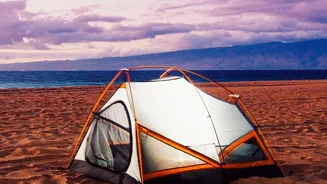
Accommodation and food are where budget-conscious travellers can save significantly. Outside of Muscat, budget-friendly guesthouses and simple hotels are available in towns like Nizwa and Sur for 15-30 OMR per night. For the ultimate budget experience, wild camping is legal and widely practiced in scenic spots along beaches, in the mountains, and near wadis. When it comes to food, avoid expensive hotel restaurants and eat where the locals do. Small Indian and Pakistani canteens can be found in every town, serving delicious biryanis, curries, and flatbreads for as little as 1.5 OMR for a full meal. Stocking up on water, snacks, and fruit at supermarkets like Lulu also helps keep costs down while on the road.