




The Challenge of Lunar Living
For humanity to establish a long-term presence on the Moon, as planned under the Artemis program, we must learn to live off the land. The biggest hurdle isn't just building habitats or surviving the extreme temperatures; it's the constant need for essentials
like water and breathable air. Shipping oxygen from Earth is incredibly expensive and logistically complex. A sustainable lunar outpost requires a way to produce oxygen on-site. This concept, known as in-situ resource utilization (ISRU), is the key to unlocking a permanent human and robotic presence beyond Earth. Instead of relying on costly resupply missions, astronauts could generate their own air and even rocket propellant from the resources right under their feet.
Mining the Moon for Air
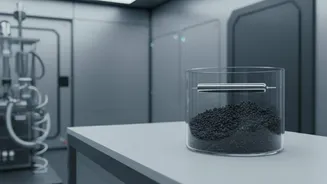
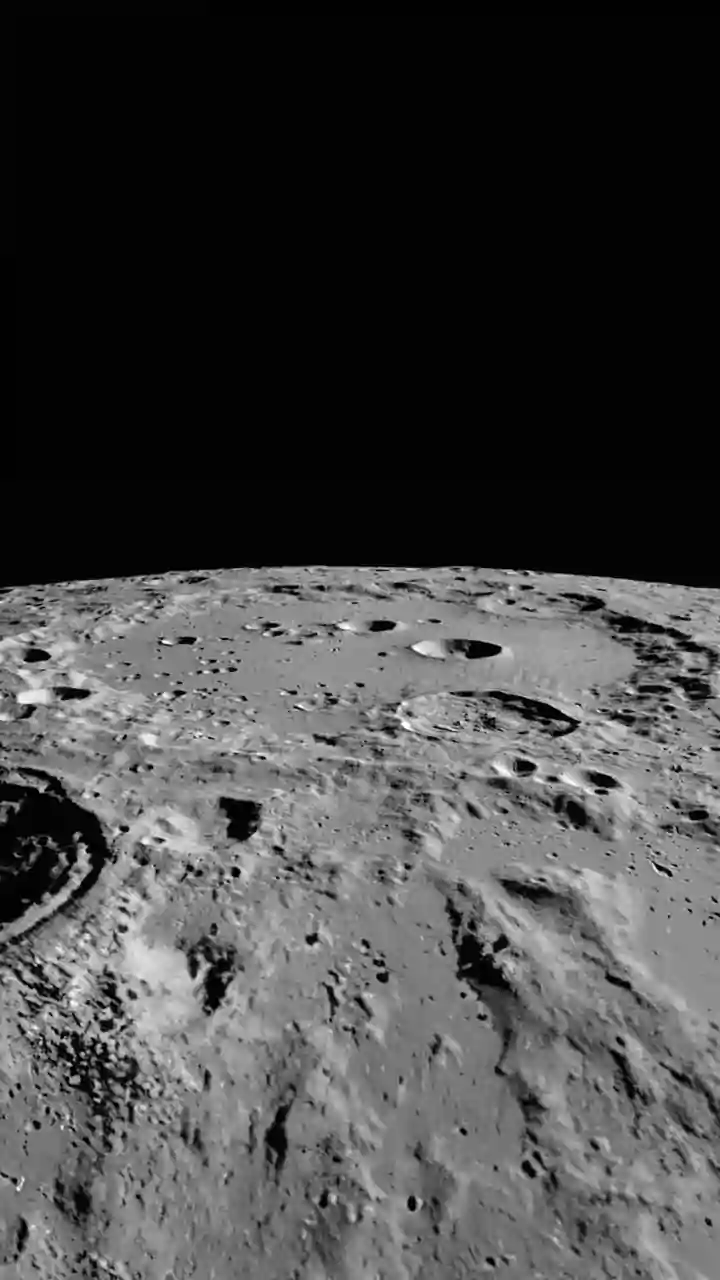
It may sound like science fiction, but the dusty, rocky layer covering the Moon, known as regolith, is surprisingly rich in oxygen. By mass, lunar regolith is about 45% oxygen. However, this oxygen is not freely available. It is chemically bound within oxide minerals, the same kind of rock-forming compounds found on Earth. To make it breathable, this oxygen must be broken free from its mineral bonds. This realization has spurred a new wave of innovation, with scientists developing methods to essentially 'mine' the lunar soil for air. The goal is to create a reliable system that can be deployed on the Moon to support the Artemis Base Camp.
How the Technology Works
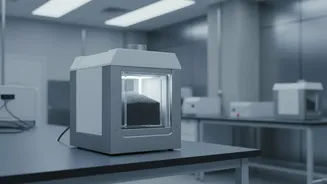
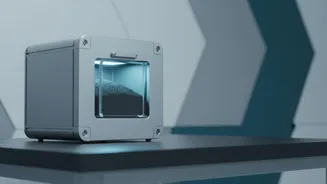
One of the most promising methods being tested by NASA is called carbothermal reduction. The process is being refined by a project team called the Carbothermal Reduction Demonstration, or CaRD. It works by heating the lunar regolith to extremely high temperatures—up to 3,100°F (1700°C)—inside a specialized reactor. In recent tests, a powerful laser or concentrated solar energy was used to simulate the intense sunlight available at the Moon's south pole. This heat, combined with a carbon-based agent, triggers a chemical reaction that breaks down the oxides in the soil, releasing carbon monoxide gas. This gas is then collected, and a subsequent process can be used to split it, yielding pure, breathable oxygen and carbon, which can be recycled for future reactions.
A Major Milestone Achieved
In a series of recent integrated tests, NASA and its commercial partner, Sierra Space, have made significant strides. They successfully demonstrated that an integrated prototype could use concentrated solar power to drive the oxygen-extraction process from simulated lunar soil in a vacuum environment. By heating the simulant in a reactor, the team confirmed the production of carbon monoxide, the critical first step in generating oxygen. This achievement validates the technology in conditions that mimic the lunar surface, moving it to a high level of technical readiness. It proves the core concept is sound and brings the system one step closer to an actual demonstration mission on the Moon.
More Than Just Breathable Air
The benefits of this technology extend far beyond life support. The oxygen produced can also be used as an oxidizer for rocket propellant, which could make the Moon a refueling station for missions to Mars and deeper into the solar system. Furthermore, the carbothermal reduction process leaves behind a metallic alloy byproduct. These leftover metals could potentially be used as raw materials for 3D printing tools, spare parts, or even construction materials for building out the lunar base. This creates a truly sustainable cycle: using lunar resources not only to survive but also to build and expand, significantly reducing the mass and cost of what needs to be launched from Earth.
The Road to a Moon Base
This oxygen-extraction technology is a critical building block for NASA's Artemis program, which aims to establish a sustainable human presence on the Moon. Before astronauts arrive for long-duration stays, a series of more than 20 robotic missions are planned to deploy and test essential infrastructure, including power systems, communications, and resource utilization technologies like CaRD. Successfully harvesting oxygen from the regolith will enable longer missions, more ambitious scientific research, and lay the groundwork for a future lunar economy. Each successful test brings humanity closer to the day when the Moon is not just a destination to visit, but a place to live and work.