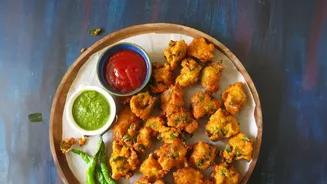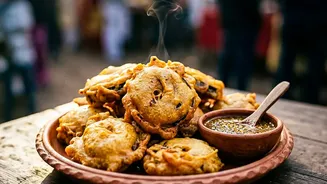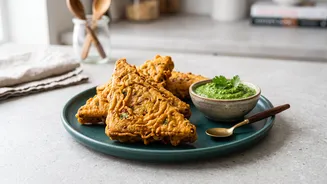



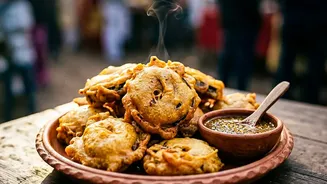
The magic of a street-style bread pakora lies in its perfect texture: a crispy exterior giving way to a soft, flavourful interior. Replicating this at home can be tricky, often resulting in a soggy, oily snack. The secret isn't just in the batter or the frying;
it's all in the bread.
Start with the Right Bread
The foundation of a great bread pakora is, unsurprisingly, the bread itself. For that authentic street-food texture, plain white sandwich bread is your best bet. Its uniform, soft crumb holds the stuffing well and fries up beautifully. Avoid fancy, artisanal, or whole-wheat breads, as their denser, heartier textures don't achieve the same light and airy result. An insider tip is to use bread that is a day or two old. Slightly stale bread has less moisture, which means it is less likely to become soggy when it absorbs the potato filling and the batter.
To Crust or Not to Crust
Walk past any popular street food stall, and you'll notice the vendor trimming the crusts off the bread slices before assembling the pakoras. This isn't just for presentation. Removing the hard, brown edges ensures a uniform softness throughout the pakora. The crusts are tougher and fry up differently from the soft centre, sometimes creating an unpleasant, hard bite. For a truly melt-in-your-mouth experience that is consistent from edge to edge, take the extra minute to trim the crusts. You can save them to make breadcrumbs for other recipes.
The All-Important Press
This is a step many home cooks miss, but it's crucial for achieving that street-style density. Once you've made your potato-filled sandwich, press it down firmly but gently. You can use your hands or place it under a plate with a light weight for a few moments. This action does two things: it helps the stuffing adhere to the bread, and it slightly compresses the bread, making it less porous. A less porous slice absorbs less oil during frying, which is the key to avoiding a greasy pakora. This simple press helps seal the sandwich, ensuring the filling stays put and the final product is crisp, not oily.
Keep the Stuffing on the Dry Side
The moisture content of your potato stuffing directly impacts the bread. A wet or overly moist aloo masala will start seeping into the bread slices before they even hit the oil, leading to a soggy interior. Ensure your boiled potatoes are properly drained and relatively dry before mashing. Cook the spices and aromatics until the moisture has largely evaporated. The ideal filling should be moist enough to be flavourful but dry enough to be spread easily without making the bread damp. This prevents the pakora from becoming heavy and ensures it fries up light and crisp.
Seal the Edges Before Dipping
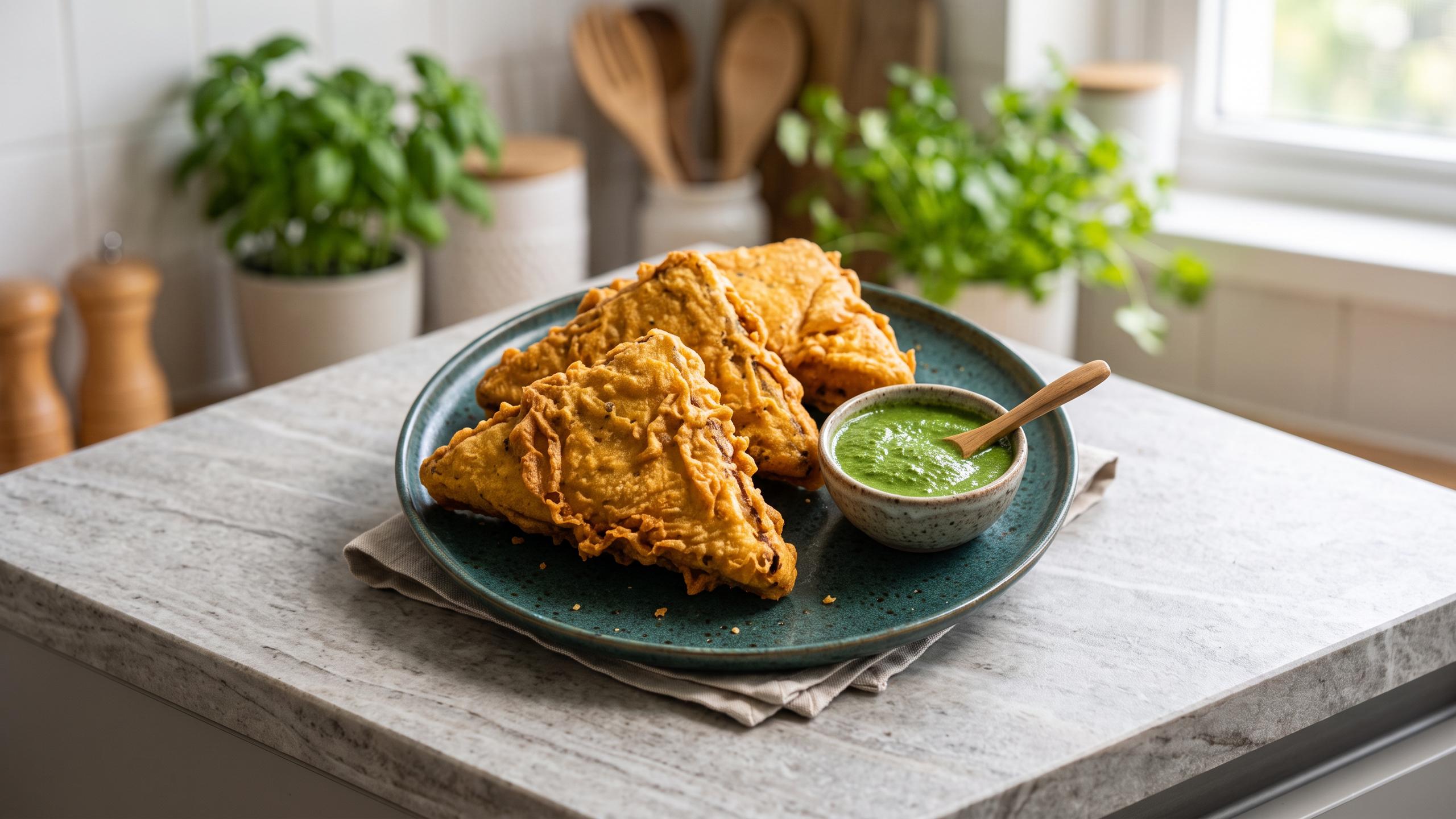
Before you dip the entire sandwich into the batter, some vendors have a specific technique to seal the pakora. After cutting the sandwich diagonally, they first dip just the cut edges into the besan batter. This initial coating acts as a seal, preventing the potato filling from spilling out into the hot oil and stopping excess oil from seeping into the filling. Once the edges are sealed, you can then coat the entire triangle. This small, extra step provides structural integrity and is a major defence against an oily, falling-apart pakora.
A Quick and Even Batter Coat
How you apply the batter is the final critical step. The goal is a quick, even coating, not a long soak. Your batter should be of a medium consistency—thick enough to coat the bread without being dense, but not so thin that it runs off. Dip the prepared bread triangle into the batter, ensuring all sides are covered, and immediately slide it into the hot oil. Letting the sandwich sit in the batter will cause the bread to absorb too much liquid, leading to a doughy, heavy result. A swift dip and fry is the technique that creates a distinct, crispy layer around a soft, steamy interior.