


The Rise of the Relatable Chef
Forget Michelin stars and complex gastronomy. The new heroes of India's food internet are not celebrity chefs in gleaming studio kitchens, but regular people in their own homes. Armed with a smartphone and a deep knowledge of home-style cooking, a new generation
of content creators is demonstrating that eating healthy doesn't have to be expensive or complicated. Their videos, often short, snappy Reels or YouTube Shorts, showcase everyday meals made with accessible ingredients. The focus is on practicality: quick recipes, minimal waste, and, most importantly, a clear breakdown of costs. This relatability is their superpower, building communities of followers who feel seen and empowered to take control of their own kitchens and health.
A Perfect Recipe of Factors
So, why is this happening now? The trend is simmering in a potent mix of economic and social shifts. Firstly, persistent food price inflation has made households across the country more budget-conscious than ever. The appeal of a meal that is both nutritious and costs less than a takeaway coffee is undeniable. Secondly, the post-pandemic era has cemented a nationwide focus on health and immunity. People are actively seeking ways to eat better, moving away from processed foods towards whole, natural ingredients. Finally, the widespread availability of cheap data and smartphones has democratised content creation. Anyone can be a food influencer now, and audiences are responding to authenticity over high production values. This confluence of affordability, health-consciousness, and digital access has created the perfect environment for budget healthy cooking to go viral.
From Superfoods to Staple Grains
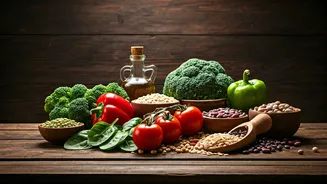
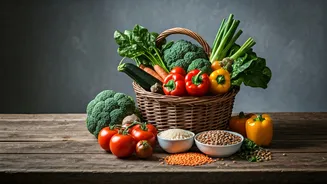
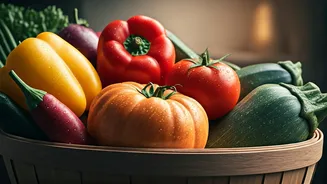
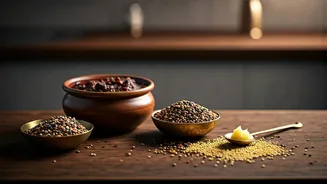
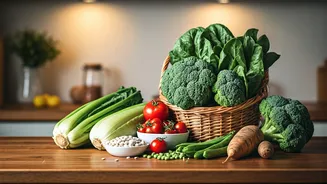
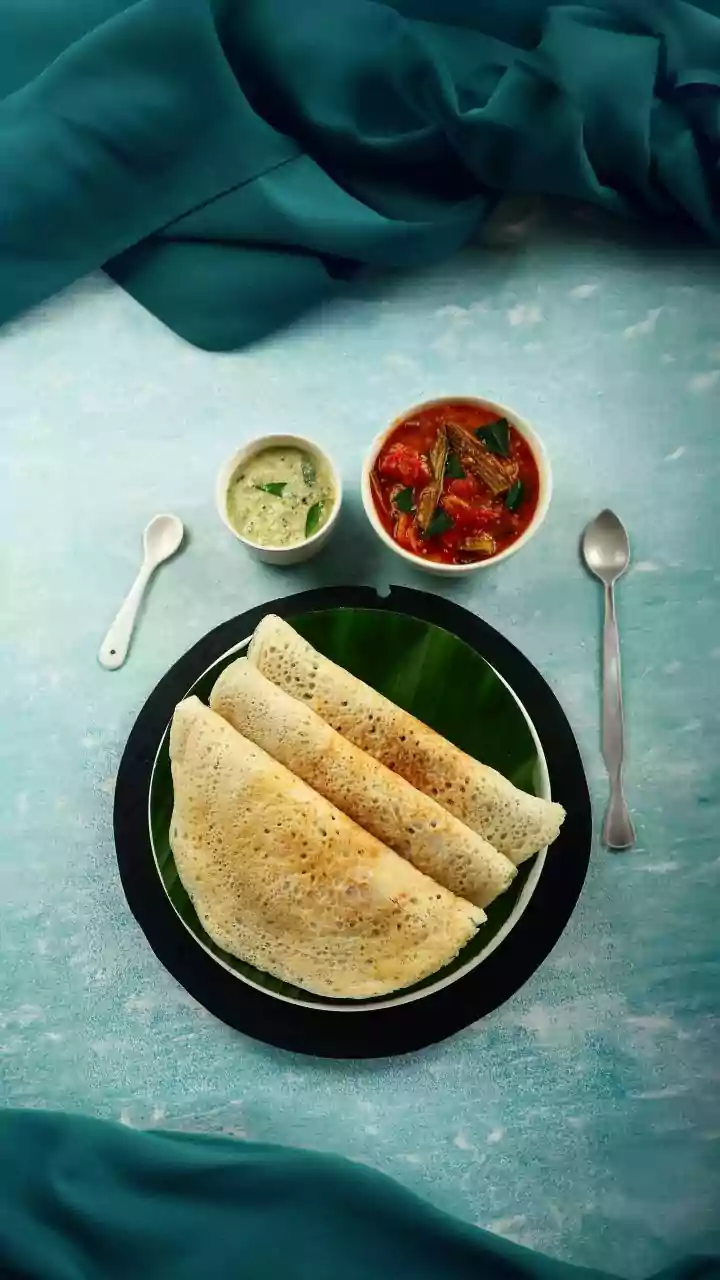
Unlike previous wellness trends that focused on expensive and often imported 'superfoods' like quinoa and avocados, this movement celebrates the power of the Indian pantry. The stars of the show are humble, nutrient-dense staples. Millets, once considered 'poor man's food', are experiencing a major revival, championed for being gluten-free, high in protein, and climate-resilient. Lentils, seasonal vegetables sourced from local markets, and traditional spices form the backbone of these viral recipes. Creators are teaching their audiences how to make dals more interesting, how to incorporate more greens into their rotis, and how to create delicious meals from simple ingredients that have been part of Indian food culture for centuries. It's a return to roots, cleverly repackaged for a digital generation.
More Than Just a Meal
The impact of this trend extends beyond the kitchen. For many, learning to cook healthy meals on a budget is a form of empowerment. It provides a sense of control over one's health and finances, two areas where many feel increasing pressure. The comment sections of these videos are vibrant hubs of community, where followers exchange tips, share their own budget-friendly hacks, and encourage each other on their wellness journeys. This digital potluck is fostering a collective movement towards more mindful consumption. It's a quiet revolution against the culture of instant gratification and expensive, often unhealthy, convenience foods. It proves that the most satisfying meals are often the ones we create ourselves, with care and resourcefulness.