






Beyond the Two-Page Resume
For decades, the job application process has revolved around a simple document: the resume. But in a market where recruiters spend mere seconds on each application, standing out is a monumental task. Enter the interactive pitch portfolio. Think of it not
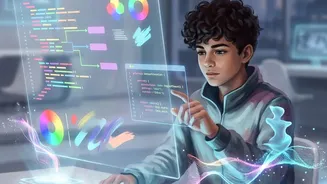
as a list of past duties, but as a dynamic, engaging presentation of your professional story. Instead of just stating you have a skill, an interactive portfolio allows you to prove it. It’s a personalised microsite that can host video introductions, clickable project walkthroughs, live dashboards, and testimonials. It moves beyond a passive summary of your experience and actively demonstrates your value, creativity, and problem-solving abilities.
The Artificial Intelligence Edge
The 'AI-powered' component is what elevates these portfolios from a simple personal website to a strategic job-seeking weapon. Artificial intelligence is not writing the portfolio for you, but acting as a powerful assistant. AI tools can analyse a specific job description and suggest which of your projects or skills to highlight for maximum impact. Some platforms can help generate compelling narrative text to describe your projects, tailor your 'pitch' to match a company's tone, or even create data visualisations to showcase your achievements. This level of customisation, done at speed, is the key advantage. Instead of a one-size-fits-all document, you can deploy a unique, perfectly aligned portfolio for every opportunity.
Why They Boost Conversion Rates
The term 'conversion rate' in recruitment refers to the percentage of candidates who successfully move to the next stage. While hard data is still emerging, the logic behind why interactive portfolios convert better is compelling. Firstly, they break through the noise. A hiring manager accustomed to scanning hundreds of identical resumes is more likely to remember an engaging, interactive presentation. Secondly, they provide proof of work, not just claims. This is crucial in a skills-based hiring market, which is a rising trend in India. By showing your work, you reduce the recruiter's risk and build credibility instantly. Finally, the very act of creating such a portfolio signals initiative, tech-savviness, and a genuine interest in the role — qualities that are hard to convey in a cover letter. The experience is simply more memorable and engaging, which dramatically increases the chance of landing an interview.
Not Just for Creatives
A common misconception is that portfolios are only for designers, writers, and artists. This is no longer true. A sales professional can embed a mock pitch video. A marketing manager can showcase a campaign's success with interactive charts and links to live ads. A software developer can provide links to a GitHub repository alongside a video explaining their coding process. A product manager can walk through the lifecycle of a product with visual aids and user testimonials. The format is flexible enough to be adapted to almost any profession where results and processes can be demonstrated visually or through storytelling. It's about showcasing your strategic thinking and impact, regardless of your field.
How to Get Started
Building your first AI-assisted portfolio is more accessible than you might think. Start by defining your core professional narrative. What is the story you want to tell? Next, gather your assets: project summaries, key results, visuals, testimonials, and links to live work. Then, explore AI-powered presentation and website-building tools. Platforms like Gamma, Replit, and Wix ADI offer AI features to help structure content and design layouts. Use AI as a co-pilot to refine your project descriptions, suggest impactful visuals, and ensure your key skills are aligned with the roles you're targeting. The goal is to use the technology to enhance your authentic story, not to create a generic, machine-written profile.