




The First Thing to Do: Rinse It Out
Your first instinct might be to just wait for your hair to dry, but this is a mistake. Rainwater, especially in urban areas, is often acidic and full of pollutants collected from the atmosphere. These residues can strip your hair's natural oils, irritate
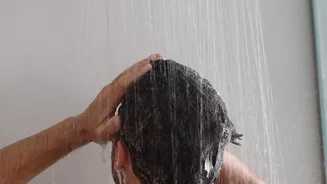
your scalp, and leave your locks looking dull and lifeless. As soon as you get indoors, the best course of action is to wash your hair with a gentle, clarifying shampoo to properly remove all the grime and chemicals. If you’re short on time and a full wash isn’t possible, at the very least, give your hair a thorough rinse with clean tap water. This will help wash away the immediate layer of pollutants and prevent them from settling on your scalp and hair shafts. Think of it as a necessary decontamination step.
Whatever You Do, Don't Tie It Up
Gathering your soaked hair into a tight ponytail or bun might seem like a practical way to get it off your face, but it's one of the worst things you can do. Hair is at its most fragile and elastic state when wet, making it extremely susceptible to breakage from the tension of a hair tie. Tying up wet hair also traps moisture against the scalp, creating a warm, damp environment that is an ideal breeding ground for bacteria and fungi. This can lead to a host of problems, including dandruff, scalp itchiness, and even fungal infections. If you must get your hair out of the way, opt for a very loose braid or use a gentle clip, ensuring there is still air circulation to the scalp.
Squeeze, Don't Rub, with a Soft Towel
Aggressively rubbing your hair with a standard bath towel is a recipe for frizz and damage. The rough texture creates friction that lifts and damages the hair's outer layer, known as the cuticle. This is why hair often looks frizzy and unruly after a vigorous towel dry. Instead, switch to a microfiber towel or even a soft cotton t-shirt. Gently squeeze or blot the excess water from your hair, working your way down from the roots to the ends. This method absorbs moisture effectively without roughing up the cuticle, which is the key to preventing that dreaded post-rain frizz halo. The goal is to remove dripping water, not to dry the hair completely with the towel.
Apply a Protective Layer
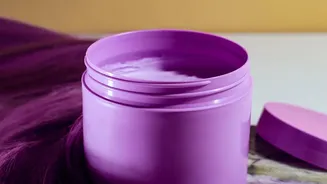
After a wash and gentle towel dry, your hair needs a protective barrier against the high humidity that accompanies rainy weather. This is where a good leave-in conditioner or an anti-frizz serum comes in. These products work by sealing the hair cuticle, which helps to lock in moisture and, more importantly, block out the excess moisture from the air that causes hair to swell and frizz. Apply a small amount, concentrating on the mid-lengths and ends, which tend to be the driest. This step not only tames frizz but also helps to detangle and adds a layer of nourishment that rain-exposed hair desperately needs.
Detangle with a Wide-Tooth Comb
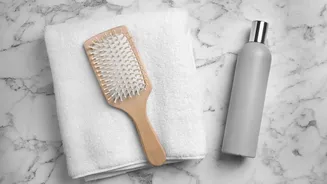
Once your hair has a protective product in it, it’s time to tackle the tangles. But put that brush down. Using a brush on fragile, wet hair can cause significant stretching and snapping, leading to breakage and split ends. The right tool for the job is a wide-tooth comb. Start gently combing from the ends of your hair and slowly work your way up to the roots. This technique removes knots without pulling and putting stress on the hair shaft and scalp. Detangling patiently is a non-negotiable step for maintaining the structural integrity of your hair, especially after it has been compromised by rainwater.
Let It Air Dry (Or Use Low Heat)
The best and gentlest way to dry your hair is to let it air dry naturally. This avoids any potential heat damage. However, if you're in a hurry or can't sit around with a damp head, you can turn to a blow dryer—but with caution. Before applying any heat, make sure your hair is at least 70-80% dry. Always apply a heat protectant spray to shield your strands. Use the dryer on its lowest heat and speed setting, keeping it at a distance from your hair. This minimizes damage while still speeding up the process. Blasting soaking wet hair with high heat essentially boils the water within the strands, causing irreversible damage.