


The Science of a Good Dressing
At its heart, most salad dressing, especially a classic vinaigrette, is an emulsion. An emulsion is a mixture of two liquids that don't normally combine, like oil and vinegar. Oil molecules are nonpolar and 'water-fearing' (hydrophobic), while vinegar is mostly
water, which is polar and 'water-loving' (hydrophilic). This is why they naturally separate, with the less dense oil floating on top. To create a cohesive dressing that clings to lettuce, you need to break the oil into tiny droplets and suspend them within the vinegar. This is usually done by whisking or shaking vigorously. However, this suspension is often temporary. To make it last, you need an emulsifier.
Why Dressings Break or Thin Out
A dressing becomes watery when the emulsion fails, or was never properly formed. This is often called a 'broken' dressing. The primary cause is an imbalance of ingredients or improper technique. Using too much vinegar or other water-based liquid compared to oil can result in a thin, acidic dressing that won't emulsify properly. The classic vinaigrette ratio is a useful starting point: three parts oil to one part vinegar. Another common mistake is not using an emulsifier. An emulsifier is a special ingredient that has a unique molecular structure, allowing it to bond with both oil and water, acting as a bridge to hold the mixture together.
Mastering the Emulsion
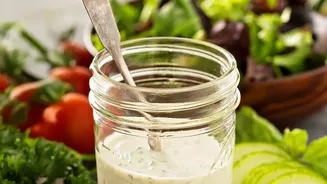
Creating a stable, creamy dressing is all about technique and the right ingredients. First, start with an emulsifier in your bowl with the vinegar and seasonings. Common and effective emulsifiers found in most kitchens include mustard, honey, mayonnaise, or even a single egg yolk. Egg yolks are particularly powerful due to a compound called lecithin. Whisk these ingredients together before you start adding the oil. The next crucial step is to add the oil very slowly, in a thin, steady stream, while whisking constantly. This gradual introduction allows the emulsifier to do its job, surrounding the oil droplets and preventing them from clumping back together. If you add the oil too quickly, the emulsion will break, leaving you with a greasy, separated mess. Shaking all ingredients in a sealed jar is a quicker method that works well for immediate use, though it may be slightly less stable.
The Impact of Watery Ingredients
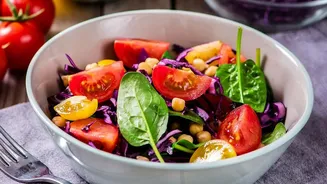
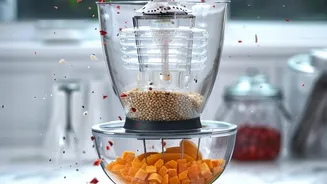
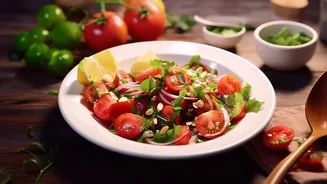
Even a perfectly made dressing can't save a salad that's full of excess water. One of the biggest mistakes is failing to dry your greens properly after washing. A salad spinner is the best tool for this job, but you can also gently pat the leaves dry with a clean kitchen towel. Any water left on the leaves will dilute your dressing, prevent it from clinging, and accelerate the wilting process. Similarly, high-water content vegetables like tomatoes and cucumbers can release liquid into the salad, thinning the dressing. One professional trick is to salt chopped tomatoes and let them sit in a colander for about 15-20 minutes; the salt will draw out excess water, which you can then discard.
Fixing a Runny or Broken Dressing
Don't throw out a dressing that has gone wrong; it can almost always be saved. If a vinaigrette has separated, simply adding more emulsifier like a teaspoon of mustard or mayonnaise and re-whisking can bring it back together. For a broken mayonnaise-style or Caesar dressing where you added the oil too fast, the best fix is to start over in a clean bowl with a fresh egg yolk. Whisk the yolk, then start adding the broken dressing to it, spoonful by spoonful, as if it were the oil. This will re-establish the emulsion and save your sauce. If a creamy dressing made with Greek yogurt becomes runny, it may be because it was over-mixed, which can break down its protein structure. Gently folding in ingredients by hand instead of using a powerful blender can help preserve its thickness.