


A Quiet Revolution in Fashion
For years, the rhythmic sound of the handloom was fading, overshadowed by the roar of industrial power looms and the allure of fast fashion. But today, there's a powerful resurgence. A growing consciousness around sustainability, coupled with a renewed
pride in heritage, is inspiring a new generation of designers and consumers to look inward. They are discovering that handloom fabrics offer something machines cannot: a story, a human touch, and a connection to centuries of craftsmanship. This revival isn't about nostalgia; it's a forward-looking movement that positions handloom at the heart of modern luxury and everyday style.
From Village Looms to Urban Runways
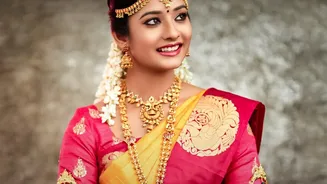
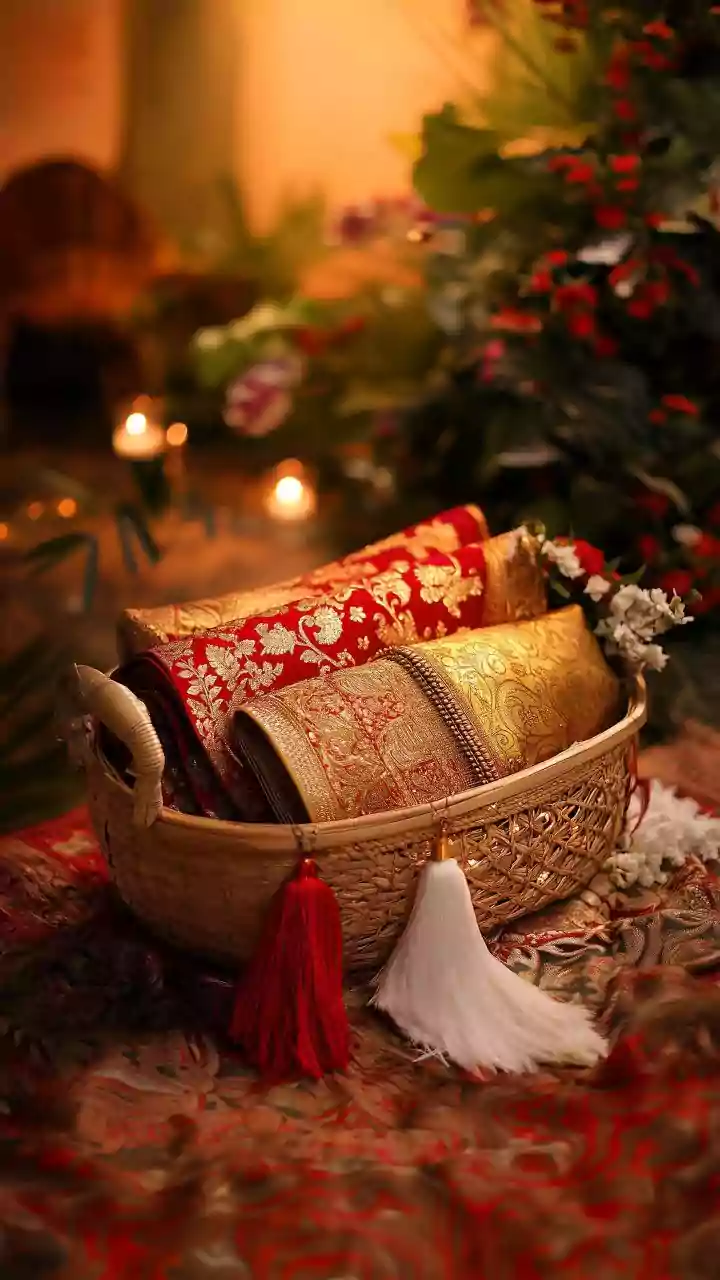
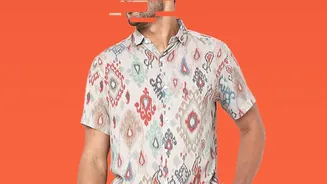
The magic of this trend lies in collaboration. Designers are partnering with artisan clusters in regions famed for their unique weaves, creating a bridge between rural looms and urban wardrobes. Fabrics like the feather-light Chanderi from Madhya Pradesh, the opulent Banarasi silks of Varanasi, and the vibrant Ikats of Odisha are being transformed. Once primarily seen in sarees and traditional wear, these textiles are now being tailored into structured blazers, flowing dresses, chic co-ord sets, and even menswear. Designers like Ritu Kumar and Anita Dongre have long championed this cause, while newer labels such as Raw Mango have become synonymous with contemporary Chanderi, giving the ancient weave a modern identity.
The Fabric of Sustainability
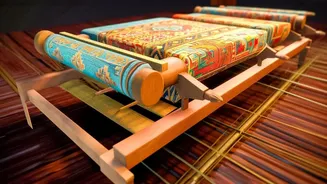
The handloom movement is intrinsically linked to the principles of slow, sustainable fashion. Unlike power looms, handlooms run on human energy, drastically reducing the carbon footprint of fabric production. The process often involves natural fibres like cotton and silk and plant-based dyes, which are biodegradable and less polluting than their synthetic counterparts. Choosing handloom is a vote for ecological responsibility. Furthermore, it is a powerful tool for social and economic empowerment. The industry is the second-largest employer in India after agriculture, supporting millions of weavers, many of whom are women in rural areas. By investing in handloom, consumers directly contribute to the livelihoods of these artisans and the preservation of their invaluable skills.
Weaving a Modern Identity
For today's consumer, wearing handloom is more than a fashion choice; it’s an expression of identity. Young shoppers are moving past the stereotype of handloom being reserved for special occasions. They are pairing handwoven sarees with sneakers, styling Ajrakh jackets with jeans, and making Khadi shirts a staple of their everyday wardrobe. This modern interpretation keeps the craft alive by making it relevant and accessible. Celebrities in Bollywood are also increasingly choosing heritage textiles for major events, celebrating Indian artistry on a global stage and highlighting that authenticity is the new luxury. This shift proves that tradition and modernity are not opposing forces but can be woven together to create something truly beautiful and meaningful.