




The Problem with Diesel on Heritage Lines
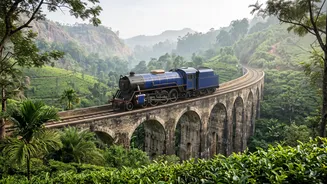
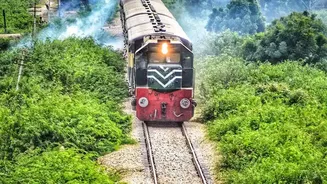
For decades, the rhythmic chug of diesel locomotives has been the soundtrack to journeys on India's famed heritage railway lines, like the Kalka-Shimla route. These tracks, often UNESCO World Heritage sites, traverse some of the country's most breathtaking
and ecologically sensitive landscapes. However, the reliance on diesel power comes at a significant environmental cost. Diesel engines are a source of noise pollution that disrupts the tranquility of these natural havens. More importantly, they release harmful emissions, including particulate matter and greenhouse gases, which degrade air quality and can harm the delicate flora and fauna of these pristine regions. Electrification, the usual alternative, is often impractical or undesirable on these challenging terrains with numerous tunnels and sharp curves, as it would mar the historical and aesthetic character of the routes.
Enter Hydrogen: A Zero-Emission Solution
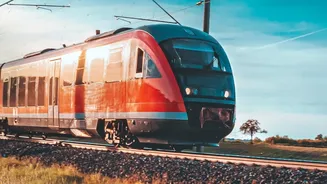
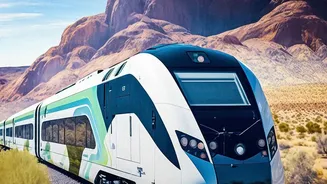
This is where hydrogen technology offers a revolutionary alternative. Hydrogen-powered trains are essentially electric trains that generate their own power onboard. Inside a fuel cell, hydrogen stored in tanks reacts with oxygen taken from the air. This chemical reaction produces two things: electricity to power the train's motors and pure water vapour as the only by-product. There are no harmful tailpipe emissions, no soot, and no carbon dioxide. This makes them a perfect fit for operating in areas where environmental preservation is paramount. Furthermore, because they run on electric motors, they are significantly quieter than their diesel counterparts, preserving the serene atmosphere that makes these heritage journeys so special.
Indian Railways' 'Hydrogen for Heritage' Vision
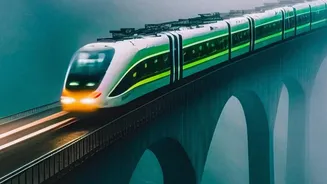
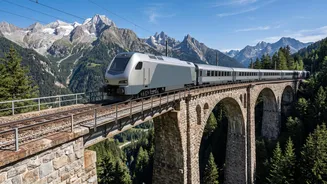
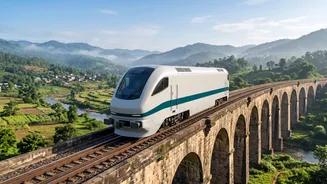
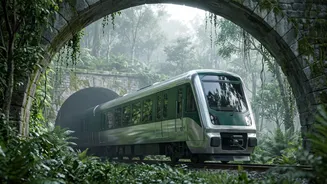
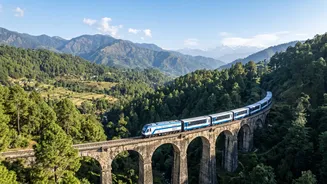
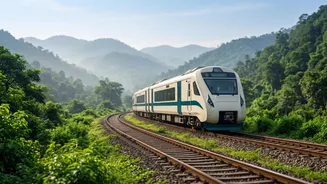
Recognising this potential, Indian Railways launched the 'Hydrogen for Heritage' initiative. The project aims to run 35 hydrogen-powered trains on several narrow-gauge and heritage routes across the country. The Kalka-Shimla railway, along with the Darjeeling Himalayan Railway and Nilgiri Mountain Railway, are among the key lines identified for this green transition. The plan involves retrofitting existing diesel units or building new train sets, often called 'Vande Metro', which are designed and manufactured indigenously. A pilot project on the Jind-Sonipat section, which began operations in July 2026, is serving as a crucial technology demonstrator, providing valuable operational experience before the wider rollout on the more complex hill railways.
Benefits Beyond Just Cleaner Air
The primary advantage of the hydrogen train rollout is the elimination of direct air pollution, directly contributing to India's goal of achieving net-zero emissions by 2070. By replacing diesel, Indian Railways will reduce its carbon footprint and its reliance on imported fossil fuels. But the benefits extend further. The quieter operation enhances the tourist experience, allowing passengers to enjoy the natural sounds of the mountains and valleys. Reduced vibrations from a smoother electric powertrain could also mean less wear and tear on the centuries-old tracks, bridges, and tunnels that are themselves a vital part of the heritage. This initiative not only positions Indian Railways as a leader in green transport technology but also promotes a more sustainable model for eco-tourism.
Navigating the Challenges Ahead
While the vision is compelling, the transition is not without its hurdles. The initial costs for both the hydrogen trains and the associated infrastructure are high. Each train is estimated to cost around ₹80 crore, with an additional ₹70 crore needed per route for ground infrastructure. This includes setting up facilities for the production, storage, and refuelling of hydrogen at key stations like Kalka, Shimla, and Barog. Ensuring a steady supply of 'green' hydrogen—produced using renewable energy like solar or wind—is essential for the project to be truly carbon-neutral from start to finish. Safety protocols for handling highly flammable hydrogen gas also require specialised systems and training. Overcoming these financial and logistical challenges will be key to the project's long-term success.