




The ₹20,000 Budget: A Reality Check
The headline figure of ₹20,000 a month is an attractive one, but is it realistic? For the bare essentials, the answer is a qualified yes. This budget primarily covers a bed in a dormitory-style co-living hostel, which can range from ₹6,000 to ₹12,000
per month for long-stay residents. These packages often include Wi-Fi, power backup, and access to common areas. The remaining amount, roughly ₹8,000 to ₹14,000, would need to cover all other expenses. Food is incredibly affordable if you stick to local dhabas and ashram meals, where a simple, nutritious thali can cost very little. However, frequenting the trendy cafes popular with remote workers will quickly stretch this budget. Therefore, a ₹20,000 budget is best seen as a starting point for a disciplined individual, while a more comfortable experience, allowing for occasional splurges and activities, would likely fall in the ₹25,000-₹35,000 range.
Work, Connect, Unwind: The Co-Living Experience
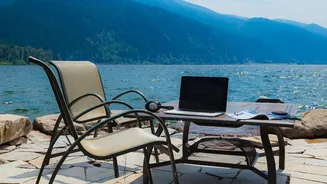
The appeal of Rishikesh goes far beyond its affordability. The new generation of hostels are specifically designed for remote workers, blending accommodation with functionality. Reliable high-speed Wi-Fi, once a major concern, is now a standard offering in most dedicated co-living spaces, often with generator backup to handle power cuts. These hostels feature dedicated workspaces, quiet corners for calls, and communal areas that foster a sense of community. The social aspect is a huge draw; these are not just places to sleep, but vibrant hubs where developers, writers, and entrepreneurs from around the world can connect. Many hostels organize community events like film nights, bonfires, local hikes, and jam sessions, making it easy to build a social circle.
Life Beyond the Laptop: Why Rishikesh?
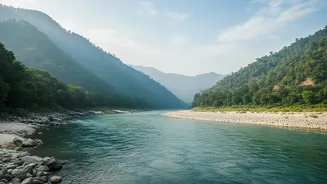
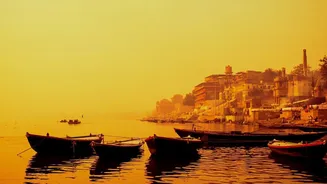
What truly sets Rishikesh apart is the lifestyle it enables once the laptop is closed. Known as the Yoga Capital of the World, the town offers unparalleled access to yoga shalas, meditation centres, and spiritual discourses. A typical day for a digital nomad might start with a sunrise yoga session by the Ganges, followed by a few hours of focused work, and an evening spent at the deeply moving Ganga Aarti ceremony at Triveni Ghat. For the more adventurous, the surrounding Himalayan foothills provide endless opportunities for trekking, while the river itself is famous for white-water rafting. This unique blend of productivity, wellness, and adventure creates a work-life balance that is difficult to find elsewhere.
Choosing Your Base: Tapovan vs. Laxman Jhula
When choosing a place to stay, the two main areas for digital nomads are Tapovan and the area around Laxman Jhula. Tapovan is generally considered the quieter, more upscale hub where many long-term remote workers settle. It's home to modern cafes, dedicated co-working spaces, and newer apartment buildings. The Laxman Jhula area is more bustling and chaotic, steeped in a more traditional, spiritual atmosphere. While great for short visits, the constant activity can be a challenge for those needing a quiet environment for deep work. Most riverside co-living hostels are strategically located to offer both stunning views and easy access to the main attractions, with many situated within walking distance of Laxman Jhula but tucked away from the main thoroughfare.