
What are Sodium-Ion Batteries?
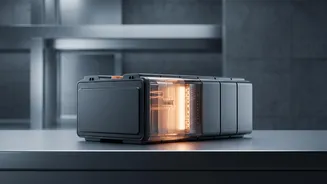
At their core, sodium-ion (Na-ion) batteries work on a principle similar to the lithium-ion (Li-ion) batteries that power most EVs and smartphones today. Ions shuttle between a positive and negative electrode to charge and discharge. The key difference
lies in the raw material: instead of lithium, they use sodium. Sodium is one of the most abundant elements on Earth, found readily in sea salt, making it significantly cheaper and more widely available than lithium, which is concentrated in just a few countries. This fundamental shift in material science is what positions sodium-ion technology as a potential game-changer for mass-market energy storage.
The Strategic Advantage for India
For India, the move towards sodium-ion batteries is not just about cost; it's a strategic imperative. The country's ambitious EV targets are currently dependent on imported lithium and battery cells, a majority of which come from China. This creates supply chain vulnerabilities and significant economic outflow. Sodium-ion technology, using readily available domestic resources, aligns perfectly with the 'Make in India' initiative and boosts national energy security. It promises to reduce India's import dependency, create a local manufacturing ecosystem, and insulate the EV market from global price shocks and geopolitical tensions surrounding critical minerals like lithium and cobalt.
The Indian Players Leading the Charge
Several Indian corporations and startups are making significant strides in the sodium-ion race. Reliance Industries made a major move by acquiring Faradion, a UK-based leader in sodium-ion technology, with plans to build a giga-factory in Jamnagar, Gujarat. Pune-based KPIT Technologies has also developed its own indigenous sodium-ion battery technology, which it claims can reduce battery costs by 25-30%. KPIT has since entered an agreement to transfer this technology to Trentar Energy Solutions for commercialisation, which includes plans for a 3 GWh manufacturing facility. Other players like IndiEnergy, Sodion Energy, and Naxion Energy are also developing their own cells and systems, indicating a vibrant and growing domestic R&D landscape.
Overcoming the Technical Hurdles
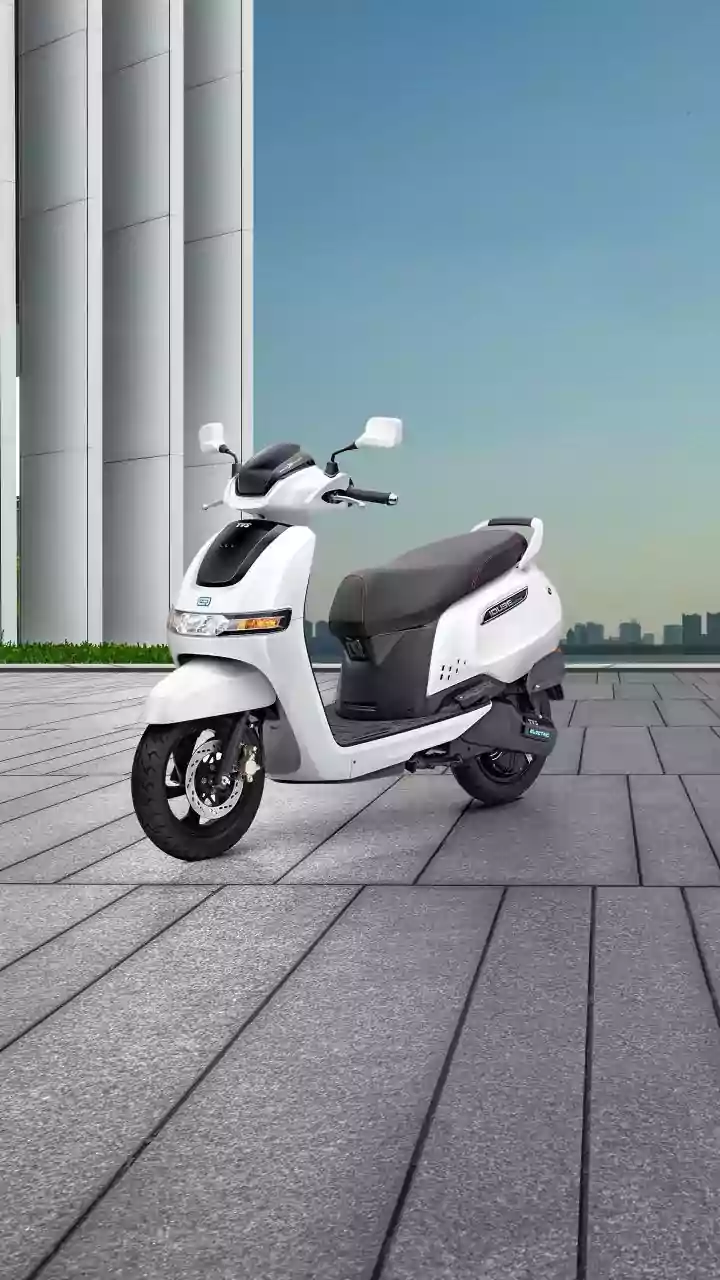
Despite the promise, sodium-ion technology is not without its challenges. The primary drawback has been lower energy density compared to their lithium-ion counterparts. This means that for the same amount of power, a sodium-ion battery pack would be heavier and bulkier, which is a key consideration for passenger cars where space and weight are at a premium. However, for applications where weight is less critical, such as electric two-wheelers, three-wheelers, commercial vehicles, and stationary energy storage (like for power grids), they are an excellent fit. Indian companies are actively working to improve energy density and cycle life, with KPIT's technology, for example, promising a lifespan of 3,000-6,000 cycles.
The Road to Mass Deployment
So, how 'soon' can Indian consumers expect to see this technology on the roads? The transition is already beginning. While widespread use in high-performance electric cars might still be a few years away, the initial deployment will focus on commercial vehicles and two-wheelers. According to government officials, with several research initiatives reaching advanced stages, a shift from pilot projects to commercial production could happen within two to three years. Companies are moving from prototypes to commercialisation, with Trentar's planned 3 GWh factory being a significant step towards mass production. The Indian sodium-ion battery market is projected to grow substantially, indicating that the technology is on a firm path to becoming a mainstream solution before the end of the decade.