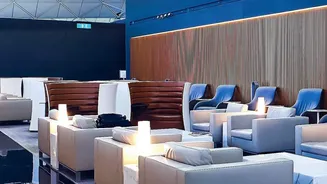







What is 'Quiet Luxury' in a Portfolio?
Forget flashy animations, bold colours, and every design trick in the book. The 'quiet luxury' approach in a professional context is about deliberate minimalism and showcasing substance over style. It’s a design philosophy that communicates value through
quality and intention rather than attention-grabbing effects. In a portfolio or CV, this translates to generous white space, refined and classic typography, a muted and neutral colour palette, and crystal-clear messaging. The focus is on high-quality materials—in this case, the projects themselves—presented with an understated confidence that suggests the work is strong enough to speak for itself without the need for loud decoration.
The Strategy Behind Understated Confidence
Adopting a minimalist aesthetic is a strategic move, not just a stylistic one. In a digital world saturated with noise, simplicity disrupts the pattern. A clean, uncluttered presentation reduces cognitive load, allowing a potential client’s brain to process the information more easily and perceive it as more trustworthy and valuable. This approach taps into a psychological principle where simplicity and calmness evoke feelings of trust, clarity, and professionalism. For a senior freelancer, this isn't about being lazy; it's about signaling mastery. It communicates that they have moved beyond needing to prove their technical skills with flashy layouts and are now focused on showcasing strategic impact and refined taste. It’s the visual equivalent of being the most confident person in the room, who doesn't need to raise their voice.
Why It Appeals to International Buyers
For freelancers targeting clients across borders, a 'quiet luxury' layout offers a distinct advantage. Its minimalist and classic nature is culturally neutral, transcending regional trends that might look dated or unprofessional to a global audience. International clients aren’t just buying a service; they are buying confidence, credibility, and trust. A loud, chaotic portfolio can be visually jarring and may not align with professional standards in markets like Europe or parts of Asia. In contrast, an understated, clean design is universally understood as professional and high-end. It removes potential cultural misinterpretations and focuses the client’s attention on the most important thing: the quality and results of the work presented. This creates a seamless, premium experience that builds credibility before a single email is exchanged.
Putting It Into Practice
Implementing this strategy is about curation and refinement. Senior freelancers are showcasing fewer, but more impactful, projects. Instead of a long list of every job they've ever had, they present curated case studies that detail the client's problem, their strategic solution, and the measurable results. This elevates a simple portfolio into a compelling business case. The language used is also crucial—it's concise, precise, and free of jargon. The goal is to make it as easy as possible for a busy international client to quickly grasp the freelancer's value proposition. A portfolio might be a simple, elegant website with clear navigation, high-quality images of the work, and testimonials that build social proof. The entire package is designed to convey exclusivity and expertise, attracting high-value clients rather than chasing them.