



The Making of a Dynasty
In the annals of Indian cricket, the period between November 2025 and September 2026 will be remembered as a watershed moment. It began with the team finally shattering its glass ceiling to lift the maiden ICC Women's ODI World Cup. This was swiftly followed
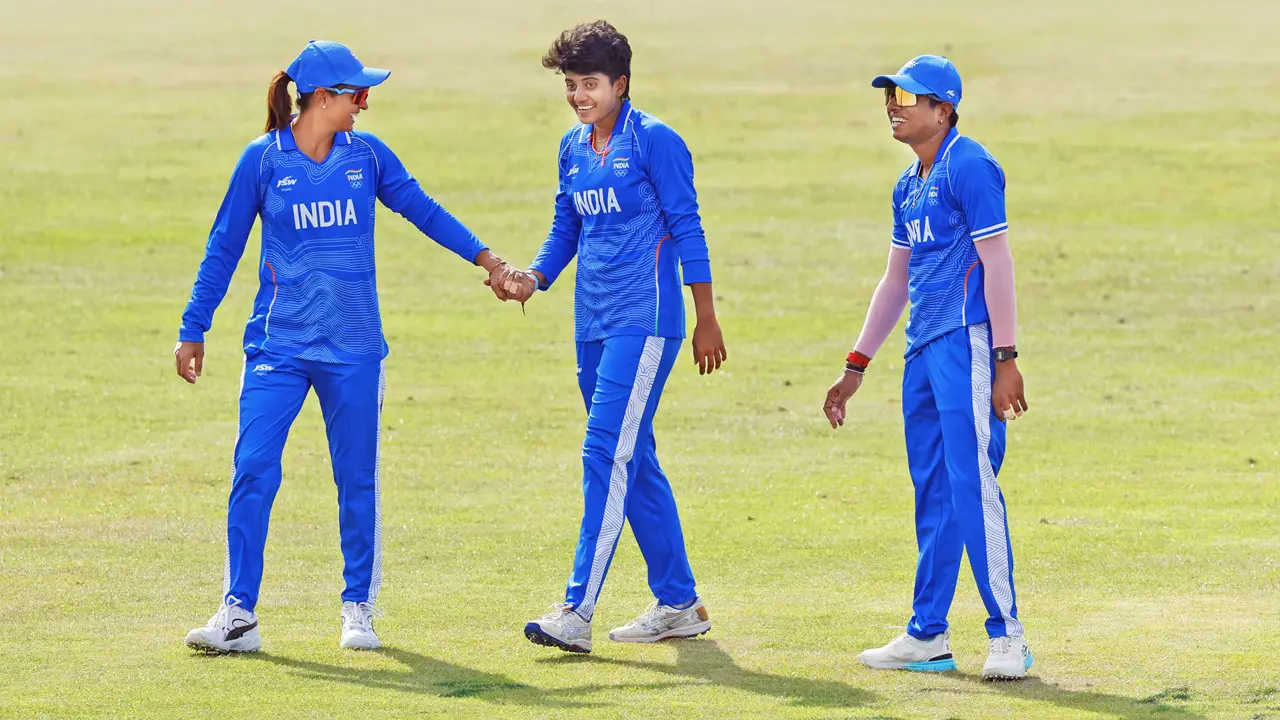
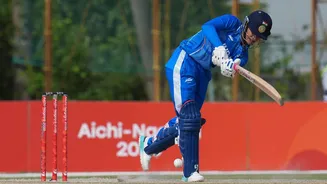
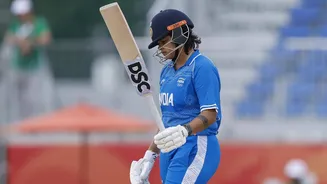
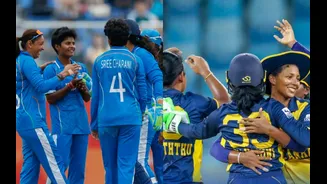
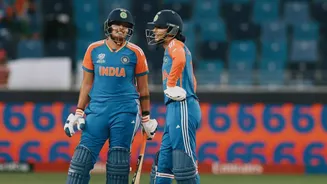
by a dominant, record-extending eighth title at the Women's T20 Asia Cup in Dubai. To cap it all off, the team defended its Asian Games gold in Aichi-Nagoya with a crushing 147-run victory over Sri Lanka. Three major tournaments, three gold medals. This treble of triumphs wasn't a stroke of luck; it was the result of a meticulous, behind-the-scenes revolution led by a man who knows a thing or two about grinding it out: Amul Muzumdar.
A Foundation of Domestic Grit
Appointed in October 2023, Muzumdar was a celebrated titan of Indian domestic cricket, a man who scored over 11,000 first-class runs but never got the coveted India cap. This unique background—defined by immense success and a quiet sense of unfulfillment—shaped his coaching philosophy. He brought the famed 'Mumbai School of Cricket' ethos: discipline, resilience, and an unwavering focus on fundamentals. Unlike many of his predecessors, his approach wasn't about reinventing the wheel. Instead, he focused on fine-tuning the immense talent already present in the squad, building a culture of accountability and mental toughness that had been the missing piece of the puzzle.
The 'Ted Lasso' Touch
Players and pundits have praised Muzumdar for his calm, empathetic, and player-first leadership style, even likening him to the fictional coach Ted Lasso. Where previous teams sometimes faltered under pressure, Muzumdar instilled a quiet confidence. His mantra was simple: focus on the process, communicate clearly, and empower players to take ownership. Captain Harmanpreet Kaur has lauded his “emotional yet firm but kind” method, noting his ability to build faith. This was evident during the 2025 World Cup campaign, where India recovered from a shaky start. Muzumdar didn't panic; he calmly reinforced their strengths, famously telling the squad, “We finish well—that's who we are.” This approach transformed a dressing room of stars into a cohesive, belief-driven unit.
Tactical Acumen on the Big Stage
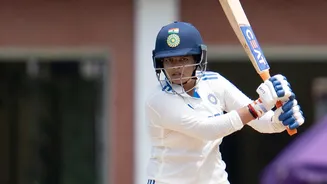
Muzumdar’s calm demeanor belies a sharp tactical mind. His strategies were instrumental in the team’s knockout-stage dominance. In the World Cup final against a formidable South African side, India posted a daunting total of 298, with Shafali Verma (87) and Deepti Sharma (58) leading the charge before Sharma’s five-wicket haul sealed the historic win. At the Asian Games, his decision to bat first on a good wicket against Sri Lanka resulted in a record total of 216, built on Smriti Mandhana's explosive 79, effectively ending the contest before the second innings began. He consistently made astute decisions, whether it was promoting a batter like Richa Ghosh to accelerate the scoring or making a crucial bowling change. His leadership was about preparing the team so thoroughly that they could adapt and execute under maximum pressure.
Building a Legacy of Fearlessness
Perhaps Muzumdar's greatest contribution is the cultivation of a fearless and aggressive brand of cricket. The team's performance at the Asia Cup 2026 was a testament to this, where their batting run rate was significantly higher than all other teams combined. Players like Shafali Verma and Smriti Mandhana have thrived, playing with freedom and confidence. He has successfully blended the experience of veterans like Harmanpreet Kaur and Deepti Sharma with the exuberance of the next generation, creating a balanced and formidable squad. The consistent success across all three formats is no accident; it is the hallmark of a well-oiled machine built by a coach who understands that trophies are won not just by talent, but by unshakeable belief and a winning culture.