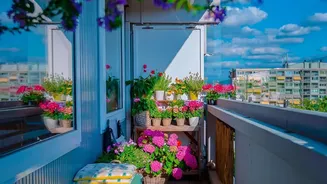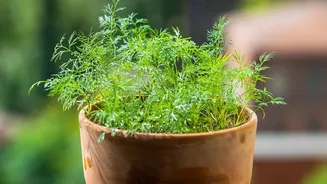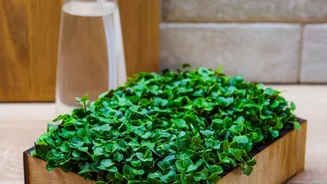


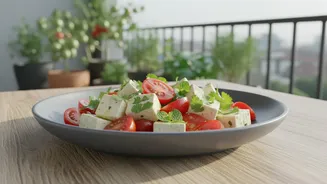
Why Grow Herbs on Your Balcony?
Before you get your hands dirty, consider the many rewards. Growing your own herbs is a fantastic entry point into gardening for beginners. It’s a small commitment with big returns. You gain immediate access to the freshest ingredients, elevating everything
from your morning chai to your evening meals. This not only enhances the flavour and nutritional value of your food but also significantly cuts down on waste and saves money on grocery bills. Beyond the kitchen, tending to plants offers proven mental health benefits, reducing stress and providing a healthy, screen-free activity. It’s a sustainable practice that reduces your carbon footprint by eliminating food miles and plastic packaging, connecting you more deeply with the food you eat.
Choosing the Right Herbs for Indian Climates
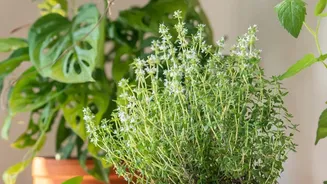
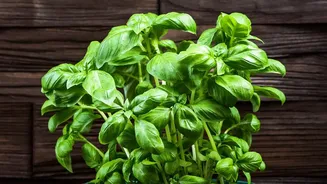
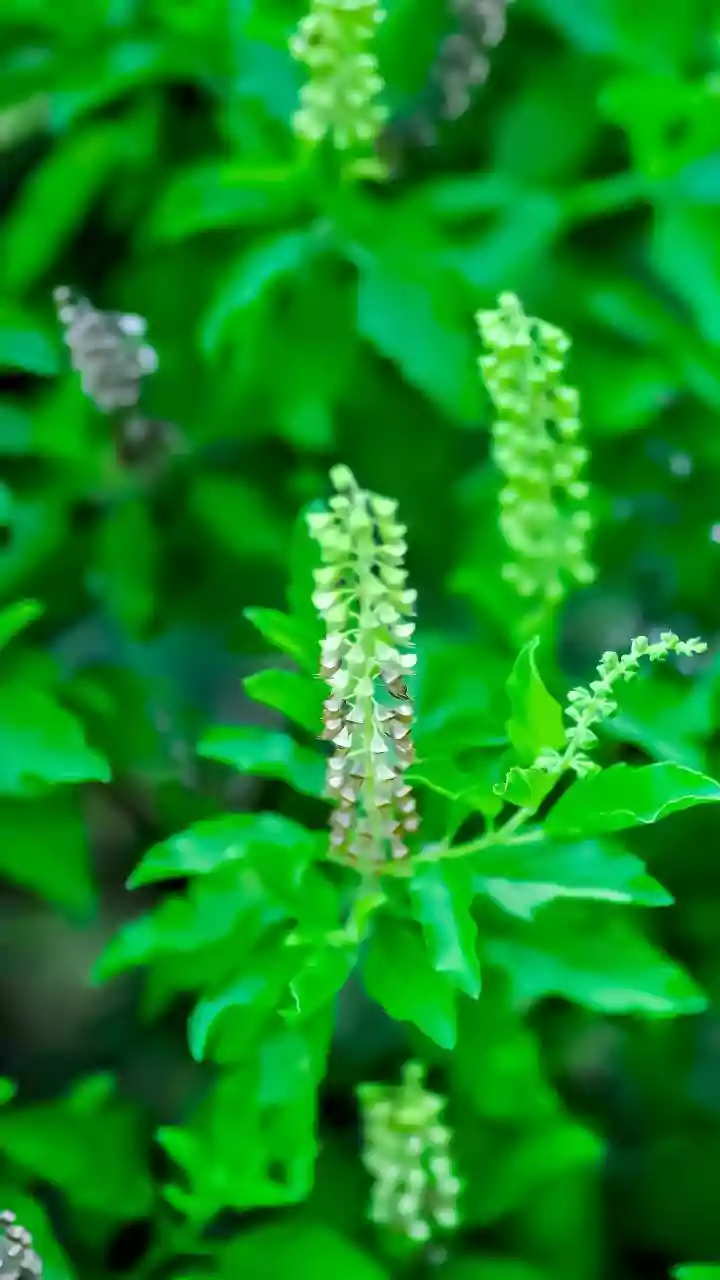
Success starts with selecting herbs that thrive in pots and are suited to Indian weather conditions. For a sunny balcony, you have plenty of choices. Tulsi (Holy Basil) is a must-have, revered for its medicinal properties and easy to grow in a pot with moderate sunlight. Mint (Pudina) is another excellent choice; it grows vigorously, so it's best to keep it in its own container to prevent it from taking over. Coriander (Dhania), Curry Leaves (Kadi Patta), and Lemongrass are also perfectly suited for balcony life, providing a steady supply for your culinary needs. For those with at least four to six hours of sun, Italian basil, rosemary, and thyme can also flourish, though they may require more specific care regarding watering.
Essential Supplies to Get Started
You don't need a lot of expensive equipment to begin. Here are the absolute essentials. For containers, choose pots with drainage holes; this is non-negotiable for preventing root rot. Terracotta is a great traditional option, but lightweight plastic or wooden planters also work well. For soil, start with a high-quality potting mix. This is lighter than garden soil and designed to provide the right balance of drainage and aeration for containers. You can amend it with some compost for extra nutrients. A small trowel will be useful for potting your plants, and a watering can or a simple bottle with holes will do the job for watering. Finally, you’ll need your plants, which you can get as seeds or, for an easier start, as small saplings from a local nursery.
A Step-by-Step Planting Guide
Ready to plant? First, ensure your balcony gets enough sunlight—most herbs need at least four hours a day. Fill your chosen pot with potting mix, leaving a few inches at the top. If planting seeds, follow the packet instructions for depth. If using a sapling, gently remove it from its nursery bag, loosen the roots slightly, and place it in the pot. Fill in around the plant with more soil, pressing down gently to remove air pockets. Water your newly potted herb thoroughly until you see water coming out of the drainage holes. Place the pot in a spot where it will receive the right amount of sunlight. A good tip for beginners is to start with one herb per pot; this makes it easier to manage their specific watering needs.
Care, Harvest, and Enjoy
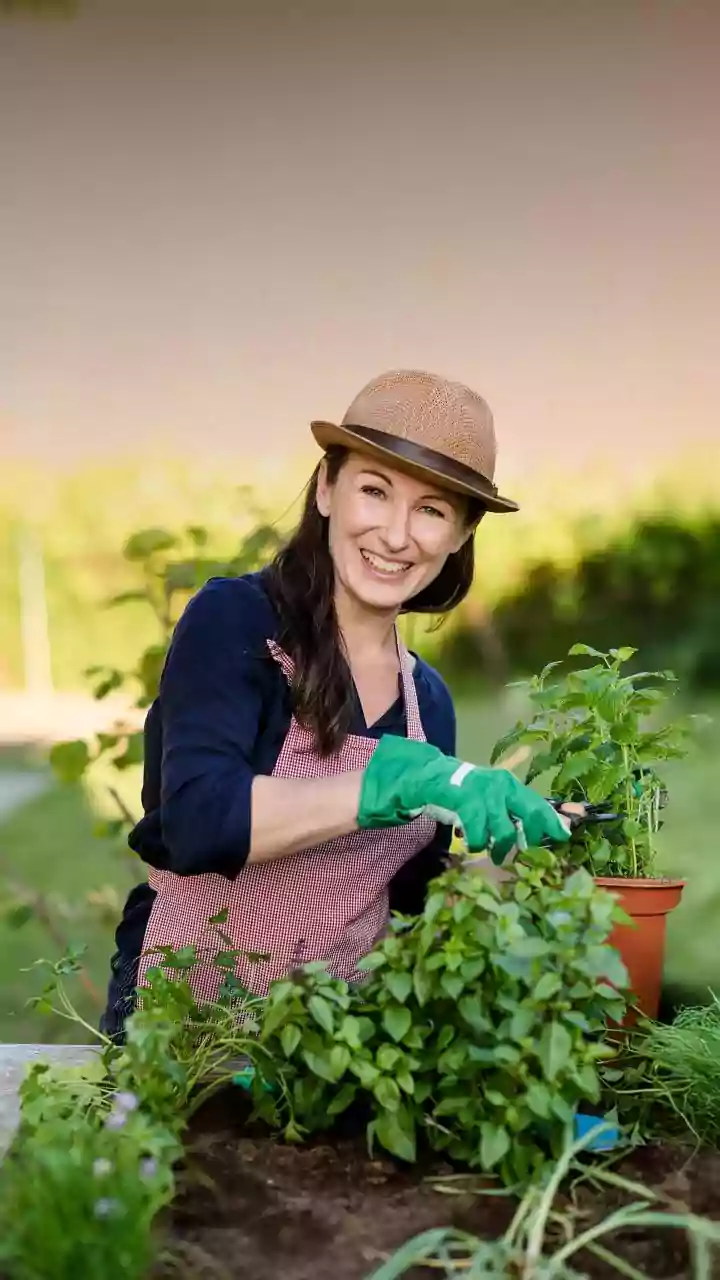
The key to a thriving balcony garden is consistent care. Check the soil every day or two by poking a finger an inch deep. If it feels dry, it's time to water. Basil, for instance, is quite dramatic and will wilt when thirsty, but perks up quickly after a drink. Herbs like rosemary and thyme prefer their soil to dry out a bit between waterings. The best part of an herb garden is harvesting. Regularly snipping leaves and stems encourages the plant to become bushier and more productive. Use a pair of small scissors for a clean cut. Add your fresh harvest to teas, salads, curries, and chutneys, and savour the incredible taste of something you’ve grown yourself.