





The End of Physical Documents
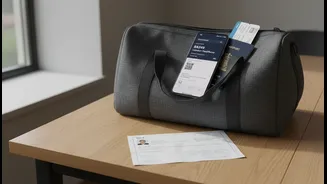
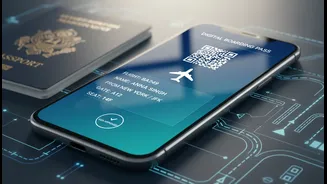
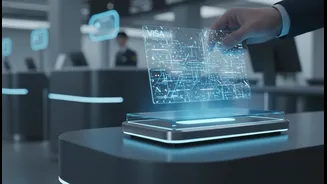
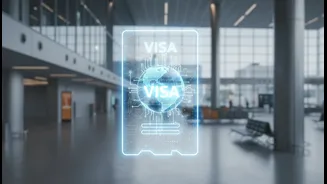
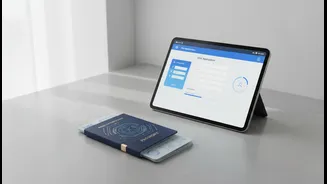
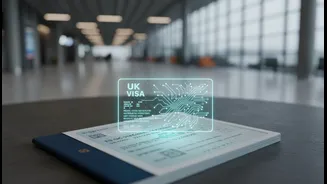
The centrepiece of the UK's new strategy is the replacement of physical documents with digital authorisations. Physical visa stickers (vignettes) and Biometric Residence Permits (BRPs) are being replaced by eVisas, which are a digital record of a person's
permission to enter and stay in the UK. This digital status is linked directly to your passport. The goal is a fully digital immigration system, where your permission to travel is verified electronically before you even board your flight. This shift aims to reduce fraud, loss, and tampering associated with physical documents.
Introducing the Electronic Travel Authorisation (ETA)
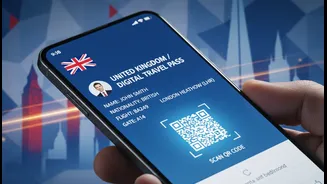
For many travellers who previously did not need a visa for short stays, a new requirement is being enforced: the Electronic Travel Authorisation (ETA). Similar to the ESTA system in the United States, an ETA is a digital permission to travel to the UK for purposes like tourism, visiting family, business, or short-term study for up to six months. From February 2026, visitors from dozens of countries, including the US, Canada, Australia, and all EU nations, will need an ETA to be allowed to travel to the UK. Without one, airlines will deny boarding.
How the ETA System Works
Applying for an ETA is done online or through the official 'UK ETA' app. Applicants must provide their passport details, a photo, and answer some security questions. The application costs a fee and is typically processed within three working days, though many decisions are much faster. An approved ETA is valid for two years and allows for multiple entries into the UK. It's important to note that an ETA is a permission to travel, not a guarantee of entry; the final decision still rests with the Border Force officer on arrival.
A Smoother Experience at the Border
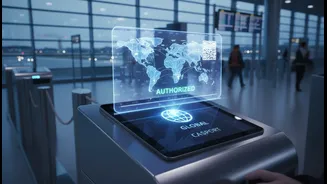
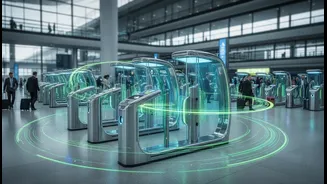
The push for digital travel is also visible at UK airports. The use of ePassport gates, which use facial recognition technology to compare a traveller's face to the image in their biometric passport, is being expanded. Recently, the minimum age for using these gates was lowered, allowing more families to pass through automated controls together and reduce queuing times. The combination of pre-screening travellers with ETAs and using automated gates is intended to create a faster, more seamless journey through the airport for millions of visitors.
Why the Big Change?
The UK government's primary motivations are security and efficiency. By requiring travellers to apply for an ETA, authorities can screen visitors before they arrive, giving them a better understanding of who is coming to the country and allowing them to identify potential security threats in advance. On the efficiency side, a fully digital system reduces the manual checks needed by airline staff and border officials, speeding up processing for both travellers and authorities. The changes bring the UK in line with similar digital border systems already used by countries like the US, Canada, and Australia.