


The Unique Challenge of August Gardening
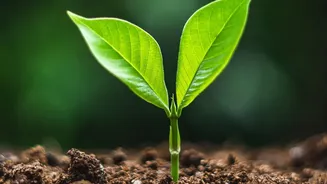
For Indian gardeners, August isn't just another month; it's a strategic window. The peak summer heat has subsided, and the environment is rich with humidity, which many plants love. The monsoon brings the gift of free water, encouraging faster germination
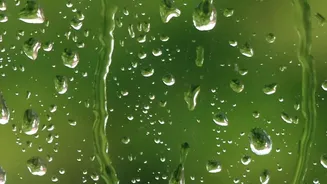
and lush growth. According to the Indian Council of Agricultural Research (ICAR), vegetables sown in containers during the monsoon can show 20-35% faster canopy development compared to other seasons. However, this gift comes with a clear warning. The same rains that nurture can also destroy, leading to waterlogged soil, washed-away seeds, and fungal diseases that thrive in the dampness. The secret to a thriving August garden is not to fight the monsoon but to work with its rhythm, managing its excess while harnessing its energy.
Solving the Rainfall Riddle
The primary challenge of monsoon sowing is water management. Intense downpours can compact surface soil, prevent seeds from sprouting, or simply wash them out of their beds. For young seedlings, waterlogged soil is a death sentence, as it suffocates the roots by cutting off their oxygen supply, leading to root rot. The key is to ensure excellent drainage. One of the most common mistakes gardeners make is sticking to a rigid watering schedule. During the monsoon, you should only water if the top inch or two of the soil feels dry to the touch. For container gardeners, this means regularly checking that drainage holes are clear and not blocked. Elevating pots on bricks or stands can also make a significant difference, preventing them from sitting in pools of water after a heavy shower.
Why Container Depth Matters
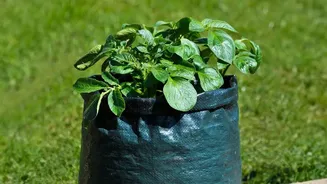
When gardening in containers during the monsoon, depth is your best friend. A deeper pot provides a larger volume of soil, which creates a better buffer against both waterlogging and drying out. It allows for a more extensive root system, making the plant stronger and more stable. Critically, a deeper soil column means that even if the bottom layer becomes saturated after a heavy rain, the primary root zone higher up can remain well-aerated. The old advice to add a layer of gravel at the bottom of pots is now widely considered a myth; studies show this actually raises the saturated water level, bringing it closer to the roots. Instead, using a well-draining potting mix throughout a deep container is far more effective. For instance, okra (bhindi) needs a pot at least 10-12 inches deep to accommodate its taproot, while larger plants like bottle gourd (lauki) do best in containers of 18-24 inches.
What to Plant This August
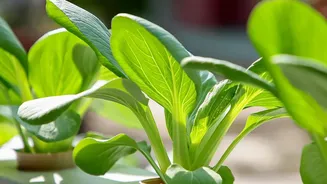
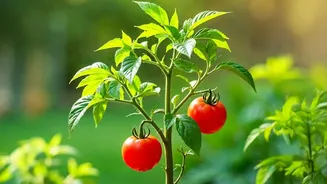
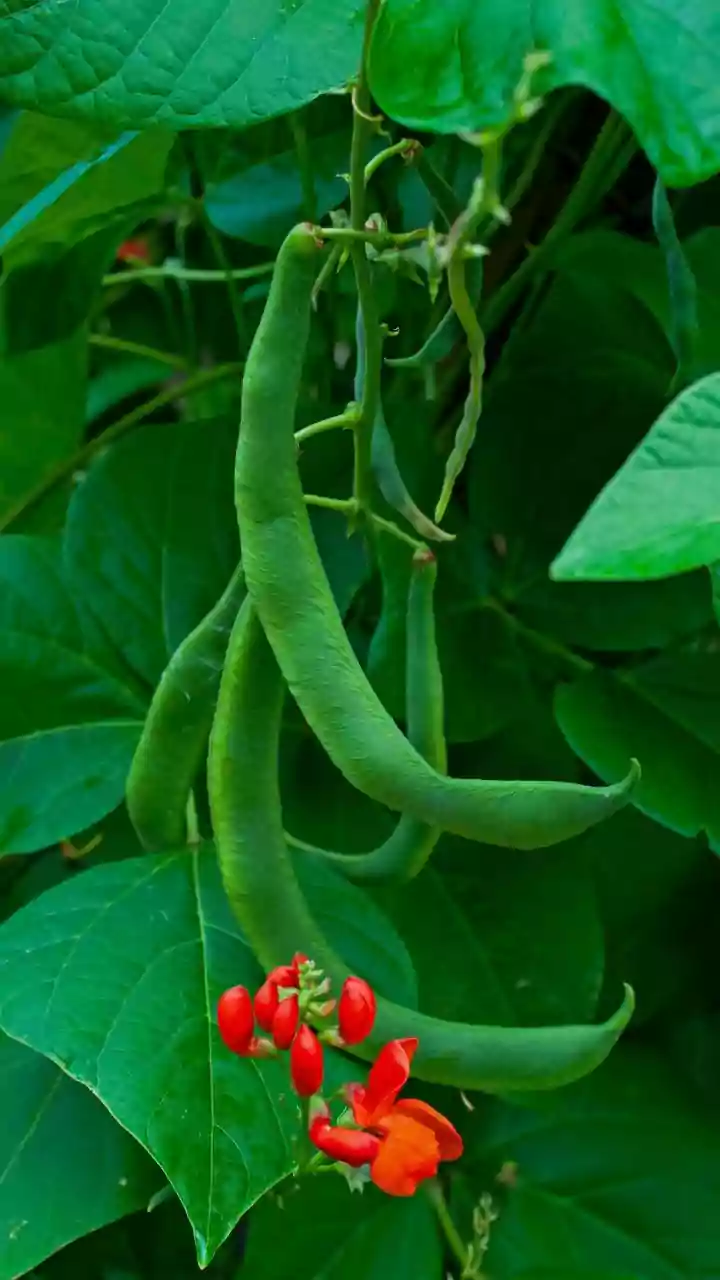
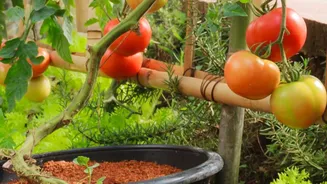
August is an excellent time for a variety of vegetables and flowers. For vegetables, focus on those that thrive in warm, humid conditions. Top choices include okra, various beans, and gourds like bitter gourd (karela) and ridge gourd (turai). It's also a great month to start leafy greens that love moisture, such as amaranth (chauli). You can also sow seeds for tomatoes and brinjal now for a fruitful autumn harvest. For flowers, August is perfect for planting blooms that will be ready for the festive season. Marigolds, zinnias, cosmos, and balsam are all excellent choices that flourish in the monsoon moisture. Sunflowers and hibiscus also do wonderfully when planted this month, adding vibrant colour to the garden.
Smart Sowing for Monsoon Success
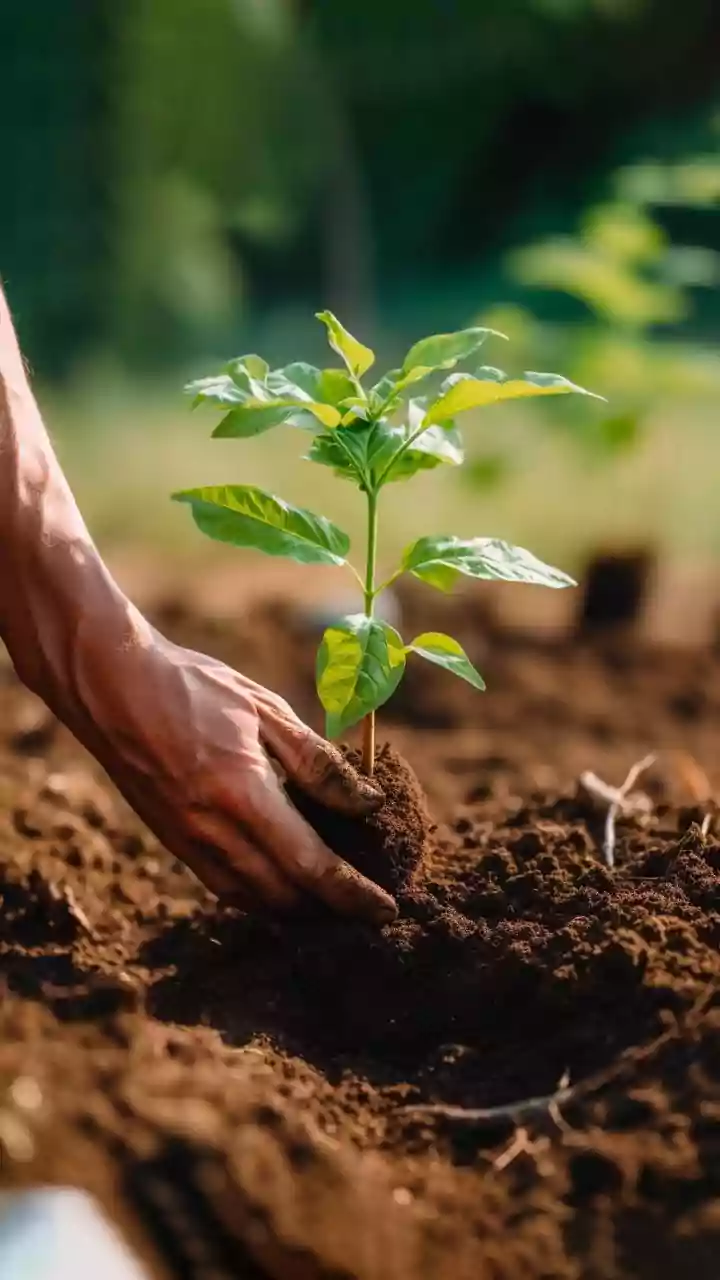
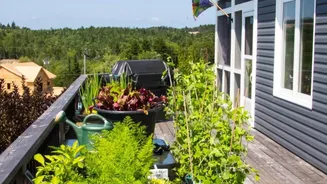
To give your seeds the best chance, adopt a few smart techniques. Instead of sowing delicate seeds directly into large pots or garden beds where they can be battered by rain, consider starting them in smaller seedling trays kept in a sheltered spot, like a covered balcony. This gives you control over watering and protects them from downpours. Once the seedlings have developed a few true leaves and are strong enough, you can transplant them. When you do plant in containers, ensure you use a light, well-aerated potting mix. Adding materials like coco peat or perlite can significantly improve drainage. Finally, preventative care is crucial for managing pests and fungal diseases. Ensure good air circulation by not overcrowding your plants and consider a preventative spray of neem oil every 10-15 days.