



The Silky Smooth Purée
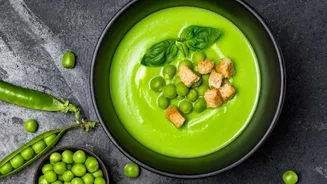
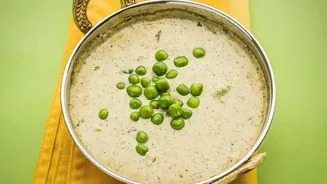
For a luxurious and comforting texture, puréeing peas is the ultimate technique. This method breaks the peas down completely, creating a velvety smooth consistency perfect for elegant soups, sauces, or dips. To achieve this, cook fresh or frozen peas until
tender, then transfer them to a high-powered blender. For an even richer result, slowly cook onions or leeks in butter or olive oil to build a sweet flavour base before adding the peas and a cooking liquid like vegetable or chicken broth. After blending, you can pass the mixture through a fine-mesh sieve to remove any remaining fibrous bits, ensuring a perfectly silky finish. A final swirl of cream, yogurt, coconut milk, or even a dairy-free alternative can add another layer of creaminess. This purée works beautifully as a classic green pea soup, a sauce for pasta, or a vibrant base for grilled fish or chicken.
The Rustic and Gentle Mash
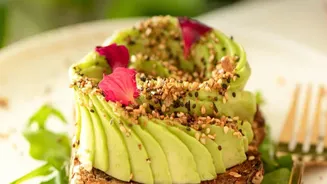
A step away from the complete smoothness of a purée is the rustic mash. This texture is heartier, leaving small chunks and bits of pea for a more substantial mouthfeel. It is incredibly simple to achieve: cook peas until tender, then use a potato masher or the back of a fork to gently break them down. Unlike a purée, you want to retain some of the peas' individual integrity. This preparation is ideal for creating a sophisticated alternative to mashed potatoes or a trendy topping for sourdough toast. You can enrich the mash with butter, olive oil, sour cream, or even mayonnaise for a dairy-free option. Fresh herbs like mint, basil, or parsley, along with a squeeze of lemon juice, can brighten the flavour significantly.
The Surprising Crispy Crunch
For a completely unexpected take on green peas, try roasting them until they become crispy. This method transforms the soft vegetable into a crunchy, addictive snack or a fantastic textural topping for salads and soups. The key to achieving maximum crispiness is to ensure the peas are as dry as possible before they go into the oven. Thaw frozen peas and pat them thoroughly with a paper towel. Toss them with a little olive oil and your favourite seasonings—garlic powder, smoked paprika, or chili powder are excellent choices. Spread them in a single layer on a baking sheet and roast at a moderate temperature, shaking the pan occasionally, until they are golden and crunchy. They will continue to crisp up as they cool.
The Firm and Fresh Pop
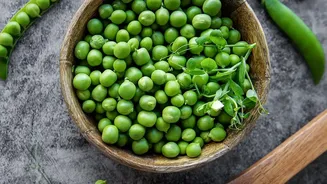
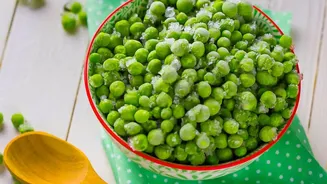
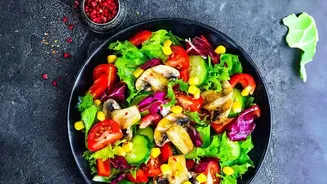
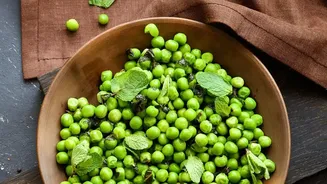
Sometimes, the best way to enjoy a pea is to let its natural texture shine. A quick blanch is the perfect method to cook peas while retaining their firm, satisfying pop. Simply drop fresh or frozen peas into a pot of boiling, salted water for just 2-3 minutes. Immediately transfer them to a bowl of ice water to stop the cooking process; this is called shocking and it helps the peas retain their vibrant green colour and firm texture. Once cooled, drain them well. These perfectly cooked, individual peas are ideal for tossing into salads, pasta dishes like pasta primavera, or as a simple side dish dressed with a bit of butter and lemon.
The Soft and Tender Stew
When slow-cooked, green peas take on an entirely different character. Instead of popping, they become wonderfully soft and tender, absorbing the flavours of the surrounding dish. In stews, curries, and braises, peas break down slightly, their starches helping to thicken the sauce and lend a subtle sweetness. Because peas are quite resilient, they can be added relatively early in the cooking process, allowing them to simmer and meld with other ingredients like potatoes, carrots, and tomatoes. This method is particularly effective for heartier dishes, where the peas contribute to a creamy, savoury character after simmering for an extended period.