
More Than Just Flour and Water
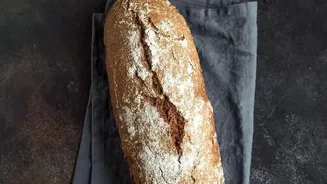
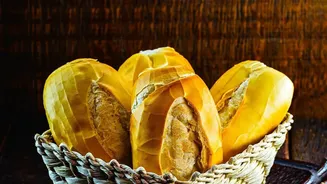
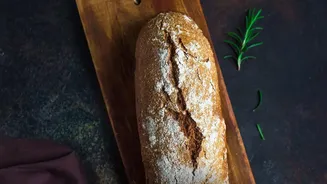
Forget the soft, pillowy, and uniformly sliced commercial bread that has long been a staple. The slow bread trend revolves around an ancient, more patient method of baking. At its heart is natural fermentation, a process that can take anywhere from 12
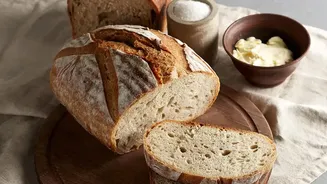
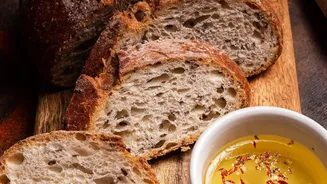
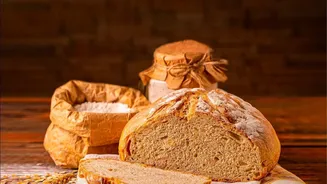
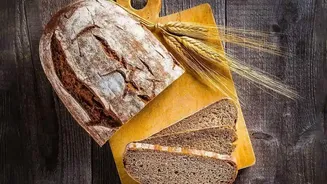
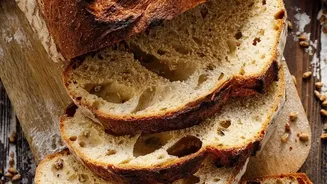
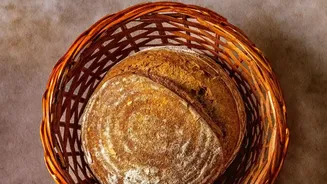
to 72 hours. Instead of using commercial yeast for a quick rise, bakers cultivate a 'starter'—a living culture of wild yeast and bacteria. This 'sourdough' starter is what gives the bread its characteristic tangy flavour, chewy texture, and beautifully open crumb. The process is a testament to patience and craft; each loaf is a unique product of time, temperature, and the baker's skill. This method breaks down compounds in the flour, making the bread not only more flavourful but also easier to digest.
A Return to Roots in a Modern City
Chennai's food scene has always been deeply rooted in tradition, with fermentation being a cornerstone of its cuisine—think idli and dosa. This inherent appreciation for fermented foods might explain why the city is so readily embracing sourdough. But the trend is also part of a larger, global shift towards mindful eating and an interest in where our food comes from. In a city known for its fast-paced life, the idea of 'slow food' has a powerful appeal. Consumers are increasingly seeking out foods that are made with clean, minimal ingredients and traditional techniques. This movement pushes back against industrial food production, championing local artisans and a return to wholesome, preservative-free eating.
The Artisans Behind the Loaves
This movement is being driven by a passionate community of bakers, from home-bakers who turned their lockdown hobby into a business to established cafes. Bakeries like Pumpkin Tales have gained a city-wide reputation for their high-quality artisan breads, including a celebrated sourdough. Others, like Brod Bakery, bring a Scandinavian sensibility to their crusty loaves. Many of these ventures, such as Beyond Loaf, started small, often born from a passion for experimenting with flavours, and grew through word-of-mouth and social media as demand for authentic, handcrafted bread soared. These bakers are not just selling a product; they are sharing a philosophy centered on quality ingredients and time-honoured methods, often supplying their premium loaves to Chennai's top cafes and restaurants.
A Treat for the Palate and the Gut
So, why are so many people making the switch? The first reason is taste. Slow-fermented bread has a complex, slightly sour flavour profile that is a world away from the blandness of mass-produced loaves. The crust is delightfully crisp, and the interior is soft and chewy. But the benefits go beyond flavour. The long fermentation process pre-digests some of the starches and gluten in the wheat, which many people find makes the bread easier on their digestive system. It also helps make nutrients like iron and B vitamins more available for the body to absorb and can lead to a lower surge in blood sugar compared to other breads. This combination of superior taste and potential health perks makes it a compelling choice for health-conscious foodies.
Your Guide to Chennai's Bread Scene
As the trend grows, finding a great loaf of slow bread in Chennai is easier than ever. Dedicated bakeries and cafes across the city, including in areas like Alwarpet, Injambakkam, and Anna Nagar, now feature sourdough and other artisanal breads on their menus. Establishments like Old Madras Baking Company have long been a favourite for fresh breads. Many home bakers also take orders through Instagram and WhatsApp, offering everything from classic country loaves to inventive flavours like roasted garlic or even podi-infused buns. Whether you're looking for a simple loaf for your morning toast or a flavour-packed centrepiece for a meal, the city's bakers are ready to meet the demand, proving that good things truly do come to those who wait.