






What is This 'Fifth Taste'?
For centuries, we were taught that there are four basic tastes: sweet, sour, salty, and bitter. But in the early 20th century, a Japanese scientist named Kikunae Ikeda identified a fifth taste he called 'umami', which translates to "pleasant savoury taste".
It’s that rich, meaty, or brothy flavour that coats your tongue, makes your mouth water, and leaves you wanting another bite. Think of the deep satisfaction from a slow-cooked meat curry, a rich tomato soup, or a perfectly aged cheese. That lingering, complex savouriness is the magic of umami at work. Unlike other tastes that hit you upfront, umami works more subtly, rounding out and enhancing all the other flavours in a dish.
The Science of Savoury
The sensation of umami is primarily triggered by glutamate, an amino acid found naturally in many foods like meats, fish, vegetables, and dairy products. When we cook, ferment, or age these ingredients, the proteins break down and release these glutamates. Your taste buds have specific receptors for glutamate, and when they detect it, they send a signal to your brain that what you're eating is savoury and likely rich in protein. This is why umami-rich foods often feel more satisfying and filling. By learning to identify and use ingredients high in natural glutamates, you can build incredible depth of flavour in your cooking without adding extra salt, sugar, or chilli.
Your Pantry's Umami Power Players
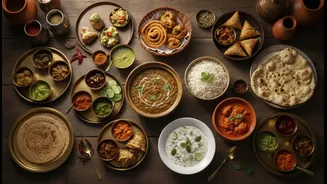
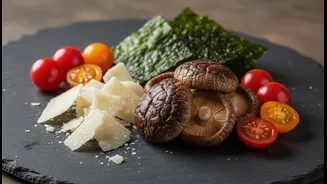
You don't need to hunt for exotic ingredients to bring more umami into your kitchen; many are likely already in your pantry or local market. In fact, Indian cuisine has a long history of using umami-rich components, even if we didn't always call it that. Slow-cooking onions and garlic, the process of 'bhunao', is a traditional method that caramelises them and unlocks their umami potential. Tomatoes, especially when cooked down into a paste or sauce, are a powerhouse of glutamates. This is why a simple tomato-based gravy for paneer makhani or butter chicken can taste so rich and fulfilling. Mushrooms, particularly dried varieties like shiitake or morels (gucchi), provide an earthy, meaty depth perfect for pulaos and curries.
Harnessing Fermentation and More
Fermentation is another key process that creates umami. Yoghurt used in marinades not only tenderises meat but also adds a layer of savoury flavour. Fermented products like pickles and chutneys deliver a concentrated burst of umami. Even everyday ingredients like asafoetida (hing) contribute; while pungent raw, its funk transforms into a savoury foundation when fried in hot oil. South Indian staples like sambar are a masterclass in umami, layering glutamate-rich ingredients like tomatoes, onions, garlic, and various dals. Beyond the traditional, ingredients like soy sauce and nutritional yeast (a favourite in vegan cooking for its cheesy, nutty taste) can be used to boost the savouriness of everything from stir-fries to sauces.
Putting It All to Work
Adding umami doesn't require overhauling your recipes. It's about small additions and smart techniques. Try adding a spoonful of concentrated tomato puree to your next dal for an instant flavour lift. Sauté a handful of finely chopped mushrooms with your onions to create a richer base for any sabzi. Toasting your spices in a dry pan or in hot oil—the principle of tadka—also helps create umami compounds. When making a soup or broth, instead of just boiling, let it simmer gently for a longer period. This slow cooking helps extract those savoury notes. By consciously layering these ingredients, you can create dishes that are profoundly flavourful and satisfying, proving that true depth often comes from savouriness, not just spice.