







An Uneven and Worrying Rainfall Pattern
The 2026 monsoon season has been a story of extremes. After a significantly dry June, which saw a 35% rainfall deficit, July brought a surplus of rain to some areas, particularly central India. However, this has not been enough to balance the scales.
As of early August, the country-wide cumulative rainfall remained about 12% below the long-period average. The India Meteorological Department (IMD) has forecast below-normal rainfall for August and September, attributing the suppressed monsoon activity to strengthening El Niño conditions over the Pacific Ocean. This 'shift' is less about a single event and more about a worrying inconsistency. The concern is not just the total volume of rain but its distribution. Many agricultural heartlands, especially in western and southern regions, are facing deficits, while other areas have had intense downpours. This patchiness at a critical time for crop growth is setting alarm bells ringing for the agricultural sector.
Which Crops Are Most at Risk?
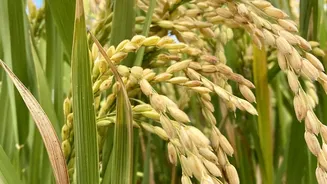
The erratic monsoon directly threatens India's Kharif (monsoon) crops, which are sown in June and July. As of mid-August, overall sowing was lagging slightly behind last year's figures, with some key crops showing significant declines. Rice, the main Kharif staple, has seen its acreage drop by around 3.7%. Other important crops like soybean, maize, pulses like tur, and cotton have also been impacted. The timing of the rainfall is crucial. After planting was boosted by July rains, many of these young crops are now in a vulnerable growth stage where they require consistent moisture. A prolonged dry spell in August, as some forecasts suggest, could stunt their development and significantly reduce final yields. While the sowing window has mostly closed, the fate of this year's harvest now depends entirely on whether these water-stressed crops receive adequate moisture through the rest of the season.
The Direct Line to Your Wallet
The connection between a poor monsoon and household budgets is direct and swift. A reduction in the harvest of key crops like pulses, oilseeds (like soybean), and vegetables leads to a simple economic reality: lower supply pushes prices up. This isn't a distant problem; it begins in the wholesale markets and quickly trickles down to the prices you pay at your local kirana store or vegetable vendor. Food inflation is a major component of India's overall Consumer Price Index (CPI), making up about 40% of the basket. Even before the full impact of this year's monsoon is felt, food inflation has already been climbing. The official food inflation rate for July 2026 rose to 5.52%, with rural areas experiencing an even sharper increase. Analysts note that prices for staples like onions, ginger, and garlic have already seen sharp increases due to weather disruptions. A poor Kharif harvest would likely add further pressure, making everyday meals more expensive.
Broader Economic Ripples and Government Action
The impact extends beyond the kitchen. Agriculture employs nearly half of India's workforce, and a weak monsoon can dampen rural incomes and spending power, affecting the sales of everything from tractors to consumer goods. The Reserve Bank of India (RBI) is watching the situation closely. While retail inflation, at 4.45% in July, is still within the RBI's tolerance band of 2-6%, sustained food price pressure could force a re-evaluation of its monetary policy. The government is not standing idle. Officials are monitoring the situation and have advised farmers to switch to short-duration or drought-tolerant crop varieties where possible. India's substantial buffer stocks of essential grains like rice and wheat provide a crucial cushion against immediate shortages. However, the performance of the monsoon over the next few weeks remains the most critical factor that will determine agricultural output, rural demand, and the direction of inflation for the rest of the year.