




The Danger of Damp Fur
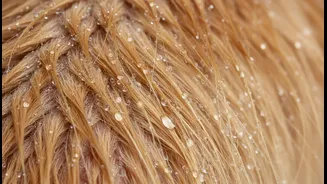
You might think air-drying is the most natural way for a pet to dry off, but trapped moisture is a major culprit behind skin issues. When fur, especially a thick undercoat, remains wet, it creates a warm, humid environment right against the skin. This
dampness disrupts the skin's natural balance, creating a perfect breeding ground for bacteria and yeast that are normally harmless. An overgrowth of these microorganisms can lead to painful inflammation, infections, and persistent itching. This is particularly relevant in India, where high humidity during the monsoon season can make it even harder for pets to dry completely.
Common Skin Problems From Moisture
One of the most common issues is acute moist dermatitis, better known as “hot spots.” These are red, inflamed, and painful lesions that can appear suddenly and grow quickly as the dog licks, chews, and scratches the irritated area. The constant self-trauma worsens the condition, often leading to a secondary bacterial infection. Beyond hot spots, trapped moisture can also cause fungal or yeast infections (Malassezia dermatitis). Signs of these problems include intense itching, a musty odour, greasy hair, and thick, crusty, or discoloured skin.
Breeds That Are More Susceptible
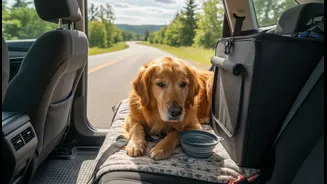
While any dog can develop these problems, some breeds are more at risk. Dogs with thick, double coats, such as Golden Retrievers, German Shepherds, Saint Bernards, and Labradors, are particularly vulnerable because their dense fur traps moisture effectively. Breeds with numerous skin folds, like Pugs and Bulldogs, are also prone to infections in those wrinkles where moisture and debris can accumulate. Similarly, dogs with long, floppy ears may experience more ear infections due to trapped moisture in the ear canal.
The Right Way to Dry Your Pet
Proper drying is a crucial step in your pet’s grooming routine. Never assume your pet will air-dry sufficiently, especially after a bath or a swim. Start by using a highly absorbent microfiber towel. Instead of rubbing vigorously, which can cause fur to tangle and mat, gently press and squeeze the water out of the coat. Work from the head down to the tail, paying special attention to the belly, paws, and armpits. For many dogs, especially those with thick coats, a towel alone is not enough. A pet-specific blow dryer is an excellent tool to ensure the undercoat gets completely dry. Human hair dryers are generally not recommended as they can get too hot and burn a dog’s sensitive skin. If you use a dryer, keep it on a low heat and low airflow setting, hold it several inches away from the skin, and keep it constantly moving.
Beyond the Bath
Remember that baths aren't the only time your pet gets wet. After walks in the rain, swimming, or playing in puddles, a thorough drying is just as important. Pay close attention to paws, wiping between the toes to remove moisture and mud. Regular brushing also helps by removing loose fur and preventing mats, which can trap moisture and dirt against the skin. Making drying a consistent habit is one of a pet parent's most effective tools for preventing uncomfortable and costly skin problems.