


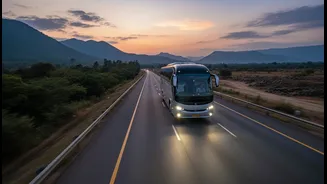




A New Class of Road Travel
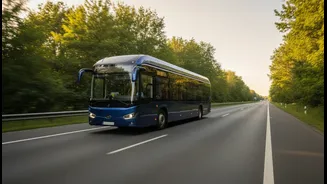
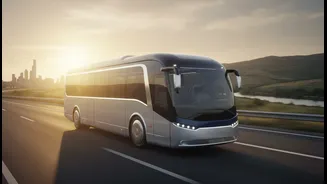
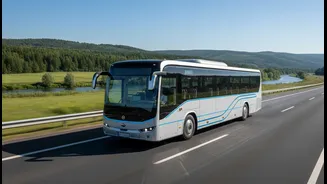
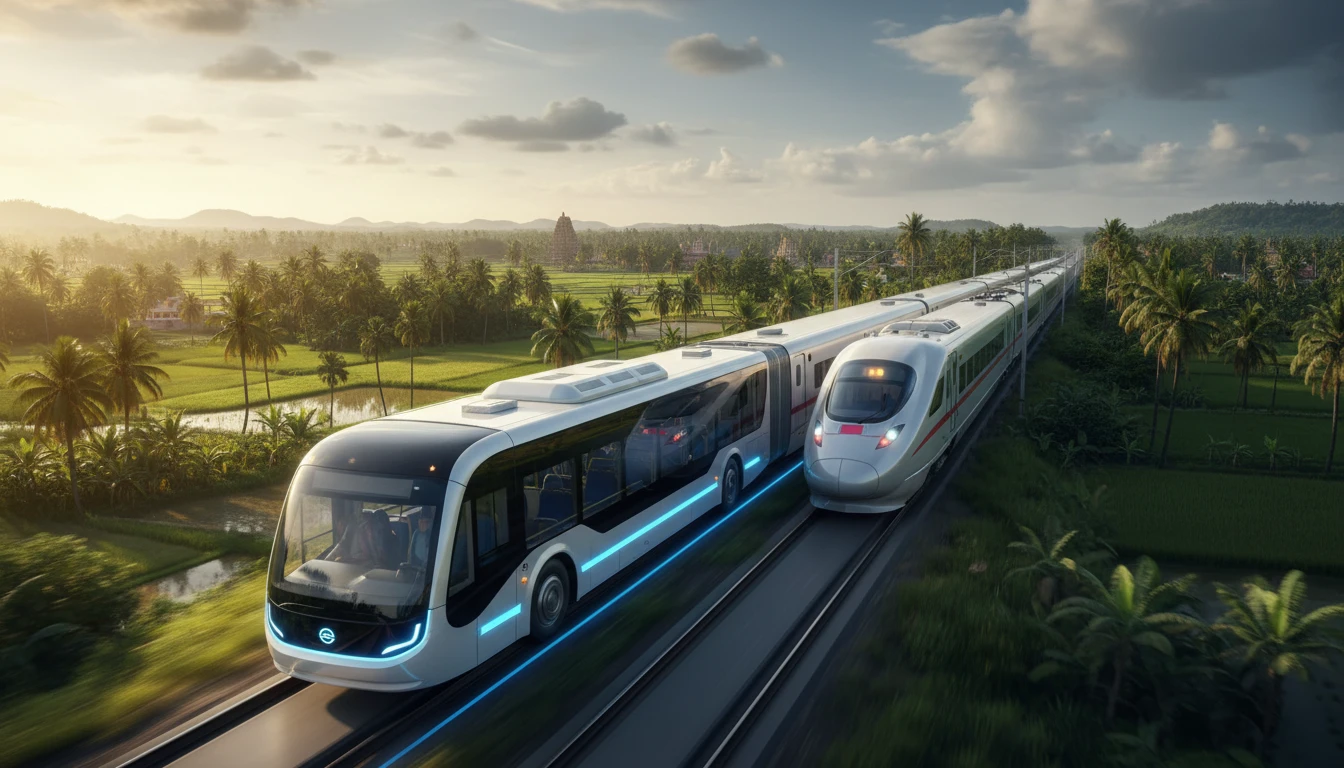
A quiet revolution is underway on India's highways. For decades, long-distance road travel has been a choice between trains, flights, and a vast network of diesel buses. Now, a new category is emerging: premium electric intercity coaches. These aren't
just standard buses with an electric motor; they represent a fundamental rethink of the passenger experience, combining zero tailpipe emissions with business-class comforts. Companies are betting that passengers are willing to embrace a new form of travel that is both sustainable and comfortable. The ride is smoother and virtually silent, eliminating the constant engine rumble and vibrations associated with diesel coaches. This shift aims to solve many of the traditional pain points of bus travel, such as hygiene, punctuality, and safety, by offering a more reliable and pleasant journey.
What Makes These Buses 'Premium'?
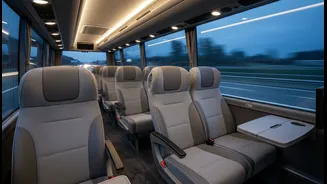
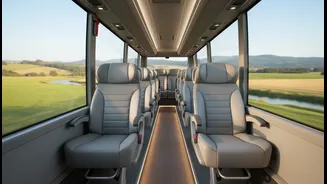
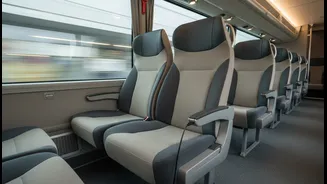
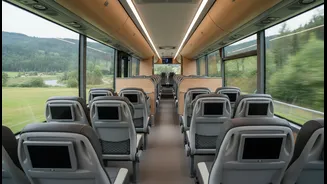
The 'premium' label is earned through a host of upgraded amenities designed for the modern traveller. Passengers can expect spacious, reclining seats, individual USB charging points, and onboard Wi-Fi. Companies like NueGo, operated by GreenCell Mobility, and startups such as Fresh Bus and zingbus are leading the charge, offering services that prioritise passenger comfort. Safety is also a key feature, with fleets equipped with CCTV surveillance, GPS live tracking, driver monitoring systems, and speed limiters. Some operators even provide complimentary water bottles, sanitised coaches, and access to premium lounges in select cities. The goal is to create a flight-like experience on the road, where the journey itself is part of the appeal, not just a means to an end.
Solving the Long-Distance Puzzle
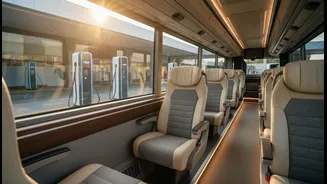
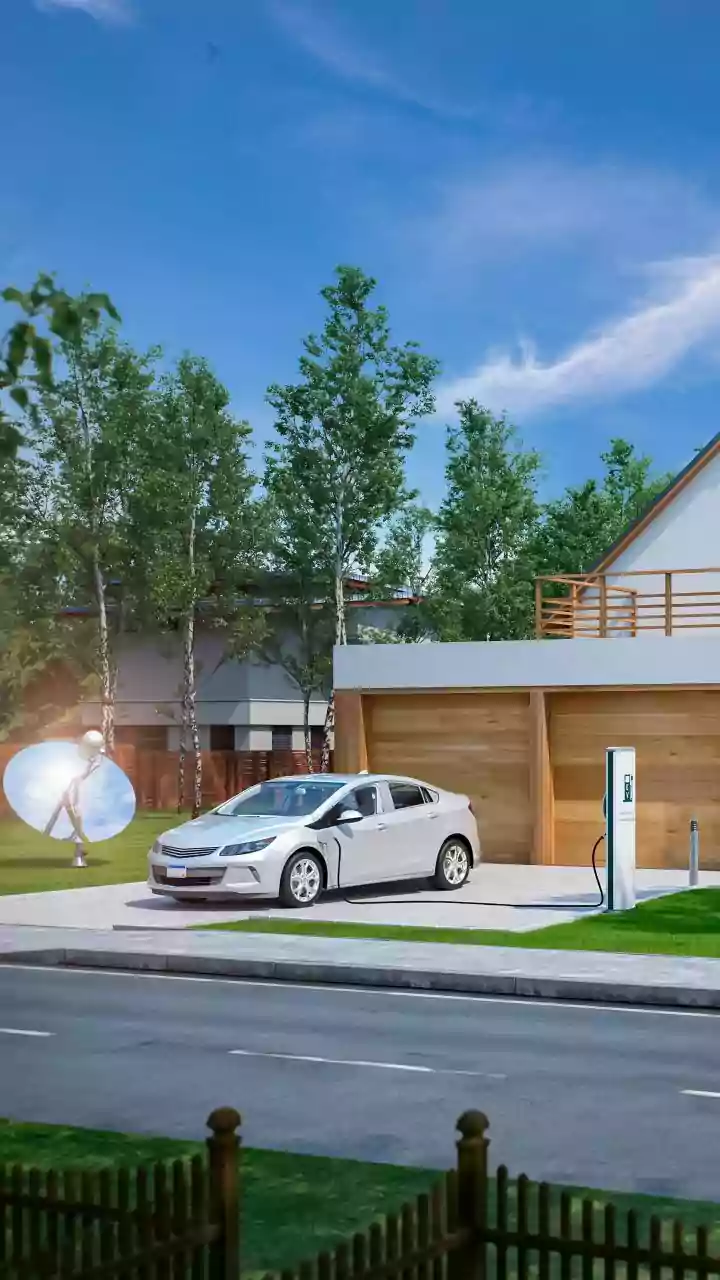
The biggest hurdle for long-distance electric vehicles has always been 'range anxiety'. However, operators are tackling this with a two-pronged strategy: advanced battery technology and a network of scheduled charging stops. Most modern electric coaches have a range of about 250-300 kilometres on a single charge, even with air conditioning. For longer routes, companies have built their own charging infrastructure from the ground up. These charging stations are strategically placed at midpoint locations, often at clean highway dhabas or dedicated facilities, where buses can get a significant charge in the time it takes for passengers to have a 30-45 minute rest break. Furthermore, innovations are accelerating. Fresh Bus recently partnered with Exponent Energy to launch all-sleeper buses with 15-minute rapid charging capabilities, effectively enabling unlimited range for long-haul routes like Hyderabad-Bengaluru.
The Companies Driving the Change
Several key players are building out India's premium electric bus network. NueGo has an extensive network connecting over 120 cities, including major routes like Delhi-Chandigarh, Bengaluru-Tirupati, and Hyderabad-Vijayawada. Fresh Bus, founded by the creator of ticketing platform Abhibus, started with the Bengaluru-Tirupati route and is rapidly expanding across South India with a focus on passenger experience. More recently, on July 14, 2026, tech-led operator zingbus announced plans to deploy over 200 premium and electric buses across South and West India, targeting hubs like Mumbai, Pune, and Goa. These companies operate on a vision of making intercity travel seamless, sustainable, and superior to existing options, aiming to capture a significant share of the market in the coming years.
The Road Ahead: Benefits and Hurdles
The benefits of this transition are clear. Electric buses dramatically reduce CO2 emissions and local air pollution, contributing to India's climate goals. They also have lower operational costs compared to diesel buses, with significant savings on fuel and maintenance, which can potentially lead to more affordable fares over time. However, challenges remain. The initial purchase price of an electric bus is substantially higher than a diesel one, posing a financial hurdle for many operators. The success of this model is also heavily dependent on the creation of a robust and reliable highway charging network, which requires massive investment in grid infrastructure. Government support through schemes like PM-eBus Sewa is helping to accelerate adoption, but scaling up to meet the needs of a country the size of India will be a long-term project.