


A Health-Conscious Twist on a Classic
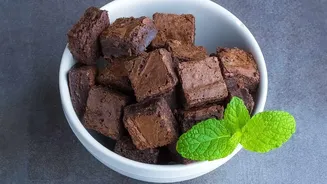
Across urban bakeries and health-conscious cafes in India, a quiet revolution is taking place on the dessert menu. The familiar, decadent brownie now often comes with a new descriptor: 'made with ragi'. This shift is part of a larger movement towards
incorporating traditional, nutrient-dense ingredients into modern cuisine. As consumers become more aware of what they eat, many are looking for ways to indulge without compromising their health goals. The gluten-free market in India is expanding rapidly, driven by both medical needs like celiac disease and a lifestyle choice for better overall well-being. Chefs are responding by innovating with alternative flours, and ragi has emerged as a favourite.
The Powerhouse Grain: What is Ragi?
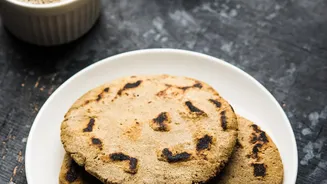
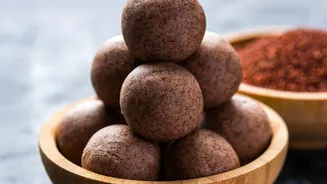
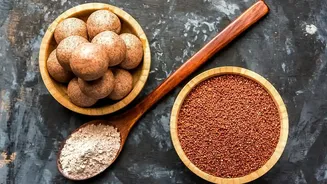
For generations, ragi has been a staple food in many parts of India, especially in the south. This tiny, reddish-brown grain is a nutritional powerhouse. It is naturally gluten-free and packed with calcium, iron, and dietary fibre. In fact, ragi contains significantly more calcium than most other cereals, making it excellent for bone health. Its high fibre content aids digestion, promotes a feeling of fullness which can help with weight management, and it has a low glycemic index, meaning it releases sugar into the bloodstream slowly. This makes it a favourable option for those managing blood sugar levels.
The Baker's Art and Science
Baking with ragi is not a simple one-to-one substitution for refined flour. Finger millet flour has no gluten, which is the protein that gives traditional baked goods their structure and airy texture. As a result, baking with 100% ragi can produce dense and sometimes dry results. To counteract this, pastry chefs have developed new techniques. Many create a blend of ragi with other flours, like whole wheat or almond flour, to achieve a better balance. They also adjust the amount of fat (like butter or oil) and liquid ingredients to ensure the final product is moist and rich. The goal is to create a brownie that is not just a 'healthy alternative' but a delicious dessert in its own right.
But How Does It Taste?
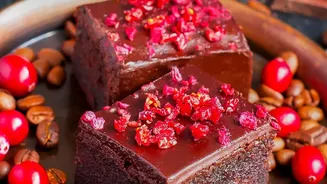
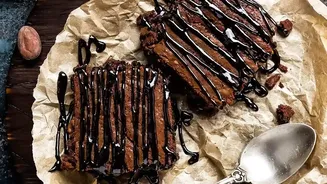
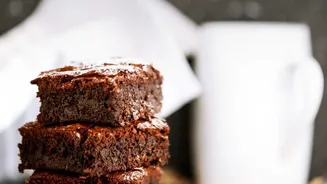
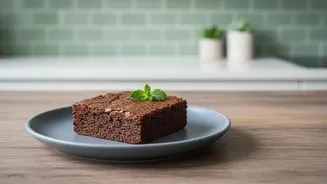
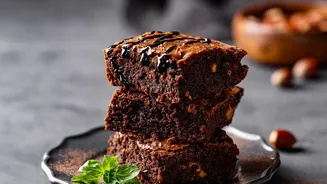
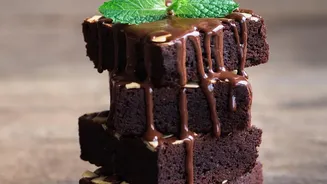
The most important question for any dessert lover is about the taste. A ragi brownie is a unique experience. The flour imparts a distinct, slightly nutty and earthy flavour that beautifully complements the deep bitterness of dark chocolate. The texture is typically denser and fudgier than a cake-like brownie made with maida. Many describe it as intensely rich and satisfying. When done right, you get a moist, gooey centre with those irresistible pockets of melted chocolate, all enhanced by a more complex flavour profile. It feels less like a guilty pleasure and more like a wholesome indulgence.
More Than Just a Brownie
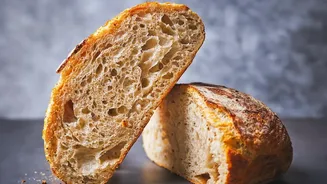
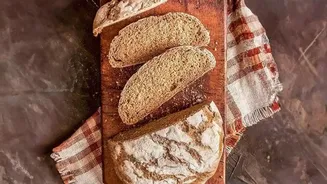
The use of finger millet isn't limited to just brownies. Innovative bakers are incorporating this versatile grain into a wide range of products, from cakes and cookies to muffins and even bread. This trend signifies a delicious reconciliation between modern baking and traditional Indian food wisdom. It celebrates local, sustainable ingredients that have been part of the country's culinary heritage for centuries. As government initiatives like the International Year of Millets continue to raise awareness, we can expect to see even more creative uses for these ancient grains on our plates. This isn't just about making desserts healthier; it's about making them more interesting, flavourful, and rooted in Indian identity.