



Why Humidity Changes Everything
The primary culprit behind your skin's sudden change in behaviour is humidity. During the dry heat of early summer, your skin loses moisture to the air, so richer creams and hydrating products are essential. But when the monsoon arrives, the air becomes
saturated with moisture, often with humidity levels in Indian cities hovering between 80-90%. This has two major effects: firstly, your sweat doesn't evaporate as quickly, leaving a sticky film on your skin. Secondly, this environment signals your skin's sebaceous glands to produce even more oil. This combination of sweat, excess oil, and environmental pollutants creates the perfect breeding ground for clogged pores, acne, and even fungal infections.
Swap Your Cleanser
The creamy, hydrating cleanser that saved your skin in May might be too heavy for the rainy season. In high humidity, the goal is to remove excess oil and grime without stripping the skin of its natural moisture, which can paradoxically lead to even more oil production. Dermatologists recommend switching to a gentle, lightweight cleanser. Look for gel-based or mild foaming formulas that leave your skin feeling clean but not tight. Ingredients like salicylic acid can be beneficial for those with oily or acne-prone skin to help keep pores clear, but use them cautiously to avoid irritation. Washing your face twice a day is usually sufficient; overwashing can damage your skin's protective barrier.
Lighten Your Moisturiser
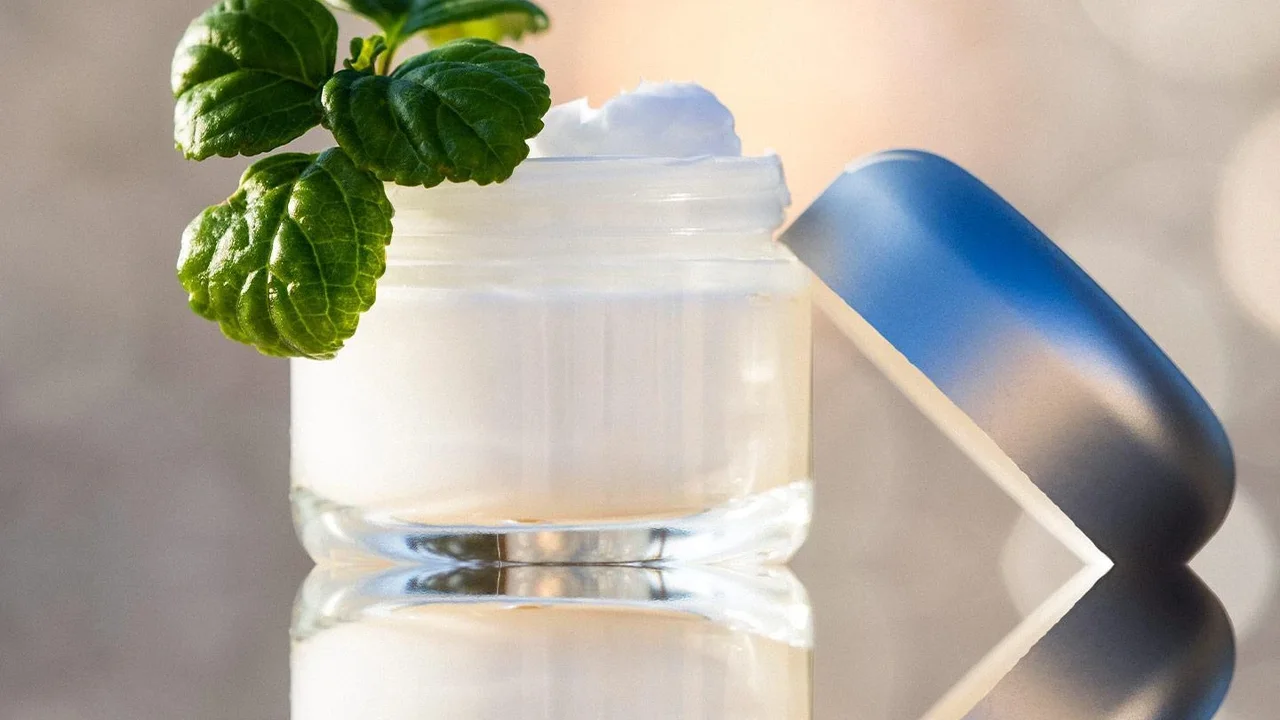
It’s a common mistake to skip moisturiser when your skin feels oily or sticky. However, surface oiliness doesn't mean your skin is properly hydrated. In fact, dehydrated skin will often produce more oil to compensate. The solution isn't to stop moisturising, but to switch your product. Pack away the thick, heavy creams you used during the dry season. For the monsoon, opt for lightweight, water-based or gel-based moisturisers. These formulas provide necessary hydration without feeling greasy or clogging pores. Look for products labelled "non-comedogenic" and featuring ingredients like hyaluronic acid, which hydrates without adding weight, and niacinamide, which can help regulate oil production and strengthen the skin barrier.
Don't Forget Sunscreen
One of the most frequent skincare mistakes during the monsoon is ditching sunscreen. It’s easy to assume that cloudy, overcast skies mean you’re safe from the sun, but up to 80% of the sun’s UV rays can penetrate through clouds. Unprotected sun exposure remains a primary cause of pigmentation, dark spots, and premature ageing, regardless of the season. The challenge is finding a sunscreen that feels comfortable in the humidity. Your best bet is a lightweight, non-greasy, or gel-based formula with an SPF of 30 or higher. Look for matte-finish sunscreens that won't contribute to the sticky feeling and can help control shine throughout the day.
Exfoliate, But Gently
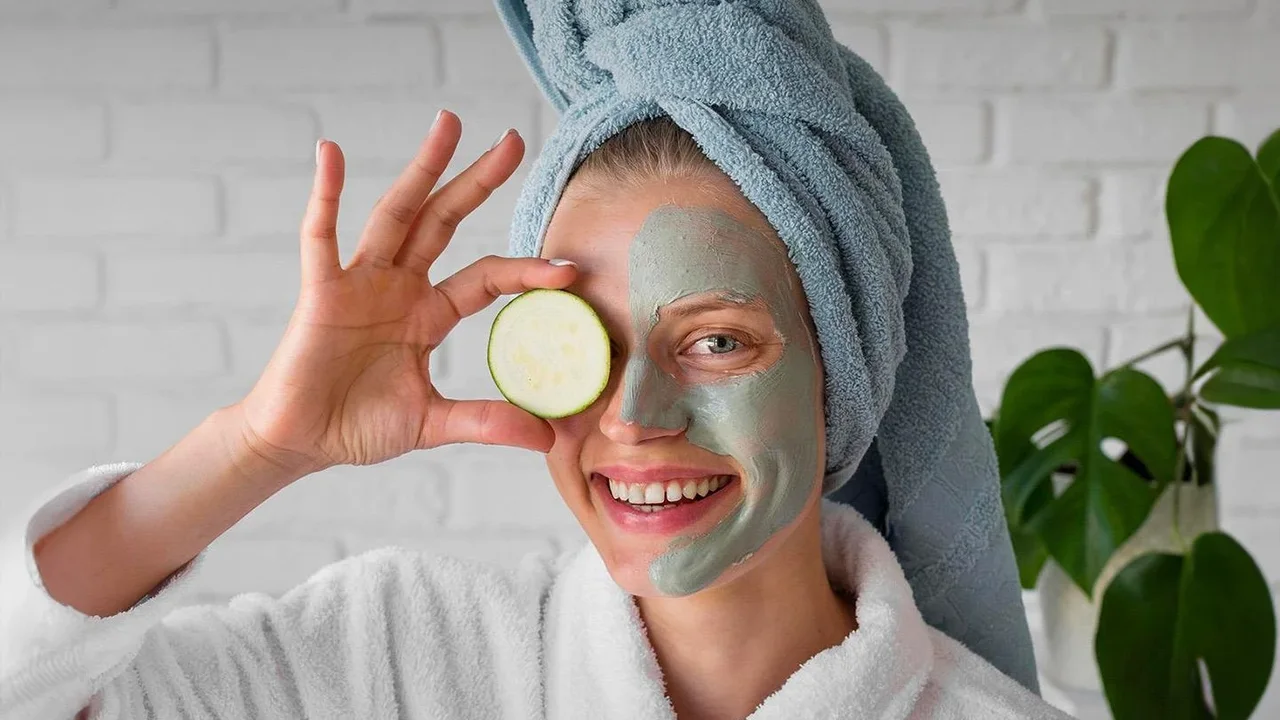
With the increased risk of clogged pores, exfoliation becomes an important step to slough away dead skin cells and prevent breakouts. However, the humidity can also make your skin more sensitive, so it's crucial not to be too aggressive. Over-exfoliating can strip the skin’s barrier, leading to irritation and inflammation. Instead of harsh physical scrubs, consider a gentle chemical exfoliant containing ingredients like salicylic acid (a BHA) or glycolic acid (an AHA) once or twice a week. This will help keep your pores clean and your complexion bright without causing unnecessary stress to your skin. Clay masks, used once a week, can also be effective at drawing out impurities and absorbing excess oil.
Address Monsoon-Specific Issues
The damp, warm conditions of the monsoon are ideal for fungal and bacterial growth, leading to issues that are less common in other seasons. Fungal acne, characterised by small, uniform, itchy bumps, can thrive in this weather. Bacterial infections like folliculitis (infected hair follicles) and boils are also more prevalent. To prevent these, it's vital to maintain good hygiene. Change out of damp or sweaty clothes quickly, use antifungal powders in areas prone to moisture, and try to keep your skin as dry as possible. Also, be mindful of touching your face, as this can transfer bacteria and dirt, exacerbating breakouts.