







What Makes a Food ‘Ultra-Processed’?
The term 'ultra-processed food', or UPF, comes from the NOVA classification system, which categorizes foods by their level of industrial processing. Unprocessed foods are things like fresh fruits, vegetables, and meat. Processed foods have been altered,
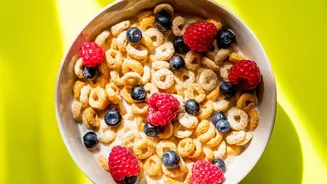
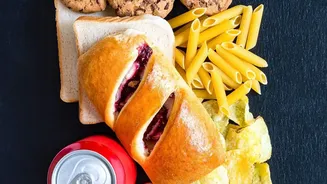
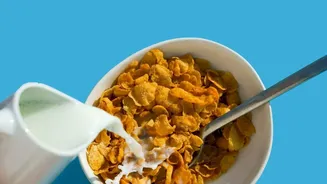
perhaps by canning or fermentation, like canned beans or cheese. Ultra-processed foods, however, are in a different league. These are industrial formulations made from substances extracted from foods (like fats, starches, and sugars) and synthesized in labs. Think of ingredients you wouldn't find in a home kitchen: high-fructose corn syrup, hydrogenated oils, flavour enhancers, and emulsifiers. A simple rule of thumb: if the ingredients list is long and full of unrecognizable chemical names, it is likely a UPF. Common examples include packaged biscuits, chips, instant meals, processed meats, and many breakfast cereals.
The Mounting Health Evidence
The scientific community's concern is backed by a wave of recent large-scale studies. An umbrella review of 45 separate meta-analyses, involving nearly 10 million people, found consistent evidence linking high UPF consumption to an increased risk of 32 different health problems. These aren't minor issues. The evidence is convincing for a roughly 50% increased risk of death related to cardiovascular disease and a similar increase in the risk for anxiety and common mental disorders. Other highly suggestive links include a 21% greater risk of death from any cause, a 22% increased risk of depression, and a 12% greater risk of type 2 diabetes. A February 2026 study found that adults with the highest UPF intake had a 47% higher risk of heart attack or stroke. The message from the research is consistent: the more UPFs people eat, the higher their risk for chronic disease and premature death.
More Than Just Sugar and Fat
For a long time, the advice was to simply watch out for high sugar, salt, and fat content. But scientists now believe the problem with UPFs is more complex. The very act of industrial processing appears to be a factor. These foods are engineered to be 'hyper-palatable'—irresistibly tasty and easy to overeat, which overrides the body's natural fullness signals. The processing itself destroys the food's natural cellular structure, which can affect how our bodies absorb nutrients and calories. Furthermore, the cocktail of industrial additives, such as emulsifiers and artificial sweeteners, may disrupt our gut microbiome—the delicate ecosystem of bacteria in our digestive system that plays a crucial role in overall health. So, it is not just what is in the food, but what has been done to it.
The Rise of UPFs in India
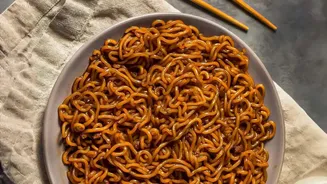
This global health concern is increasingly relevant in India. The market for ultra-processed foods in the country grew at a compound annual rate of over 13% between 2011 and 2021. As lifestyles become more urbanized and fast-paced, the demand for convenient, ready-to-eat meals has soared. Sweet biscuits, salty snacks, and instant noodles are dominating the market. A 2024 analysis found that nearly 97% of Indian households now consume packaged processed foods, a significant jump from a decade prior. This dietary shift is contributing to the rising tide of non-communicable diseases like diabetes and heart disease in the country, posing a major public health challenge.
Making Smarter Choices
Completely avoiding ultra-processed foods can be difficult and is not always necessary. The goal is not about purity but awareness and balance. A practical first step is to start reading ingredient labels to identify UPFs. Try to make simple swaps: instead of a sugary breakfast cereal, opt for plain oats with fruit. Instead of a packaged snack, choose a handful of nuts. Cooking more meals at home from scratch is one of the most effective ways to reduce UPF intake, as it puts you in control of the ingredients. The aim is to shift the dietary pattern back towards whole and minimally processed foods, which have been the foundation of healthy diets for centuries. Focusing on adding more of the good stuff can naturally crowd out the less healthy options, making for a sustainable and healthier way of eating.