



A Foundation of Fragility
The core of the problem lies deep underground. The Himalayas are geologically young and active mountains. They were formed—and are still being pushed upwards—by the collision of the Indian and Eurasian tectonic plates. This constant movement creates a landscape
that is inherently unstable, characterized by fractured rock, steep slopes, and loose soil. Unlike older, more weathered mountain ranges, the Himalayas are in a constant state of flux. This makes the terrain exceptionally prone to slope failure even before other factors come into play. A simple way to think about it is that the mountains are still settling, and this process of settling often involves large-scale landslides.
When the Monsoon Arrives
This fragile geology becomes a recipe for disaster when combined with Nepal's most critical weather event: the annual monsoon. From June to September, the country receives about 80% of its annual rainfall. This intense precipitation acts as the primary trigger for countless landslides every year. The rain saturates the soil and rock, increasing its weight and reducing the friction that holds it in place on a steep slope. Eventually, gravity takes over, and entire hillsides can give way in an instant. This combination of steep terrain and heavy rain is a hotbed for landslides, turning life-giving rains into a source of fear for many communities.
The Human Touch
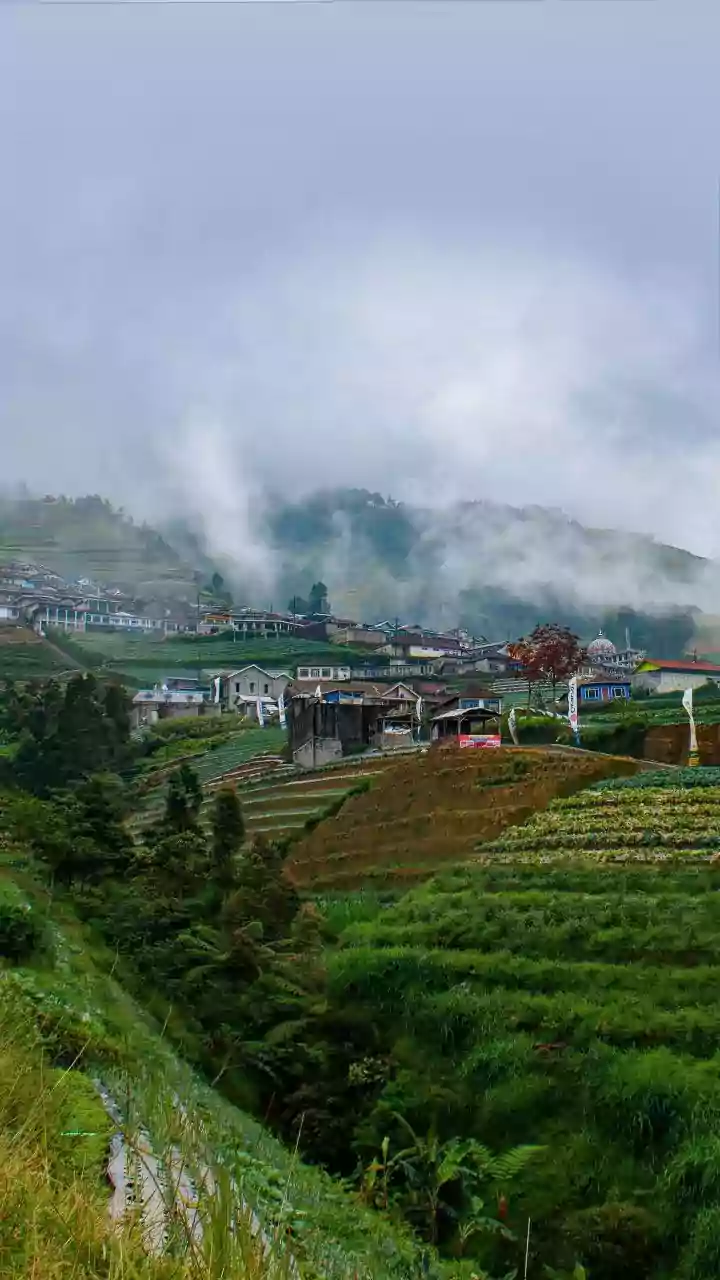
Natural forces are not the only culprits. Human activities have significantly increased the frequency and severity of these disasters. One of the biggest contributors is the rapid and often unplanned construction of roads in hilly areas. When roads are cut into hillsides without proper engineering, they destabilize the slopes above and below. Studies have shown that rainfall-triggered landslides are more than twice as likely to occur near a road. Furthermore, deforestation for agriculture and settlement development removes the trees whose root systems help bind the soil together, making slopes more susceptible to erosion and failure. The expansion of settlements into hazard-prone areas, often out of necessity, puts more lives and property directly in harm's way.
A Climate in Crisis
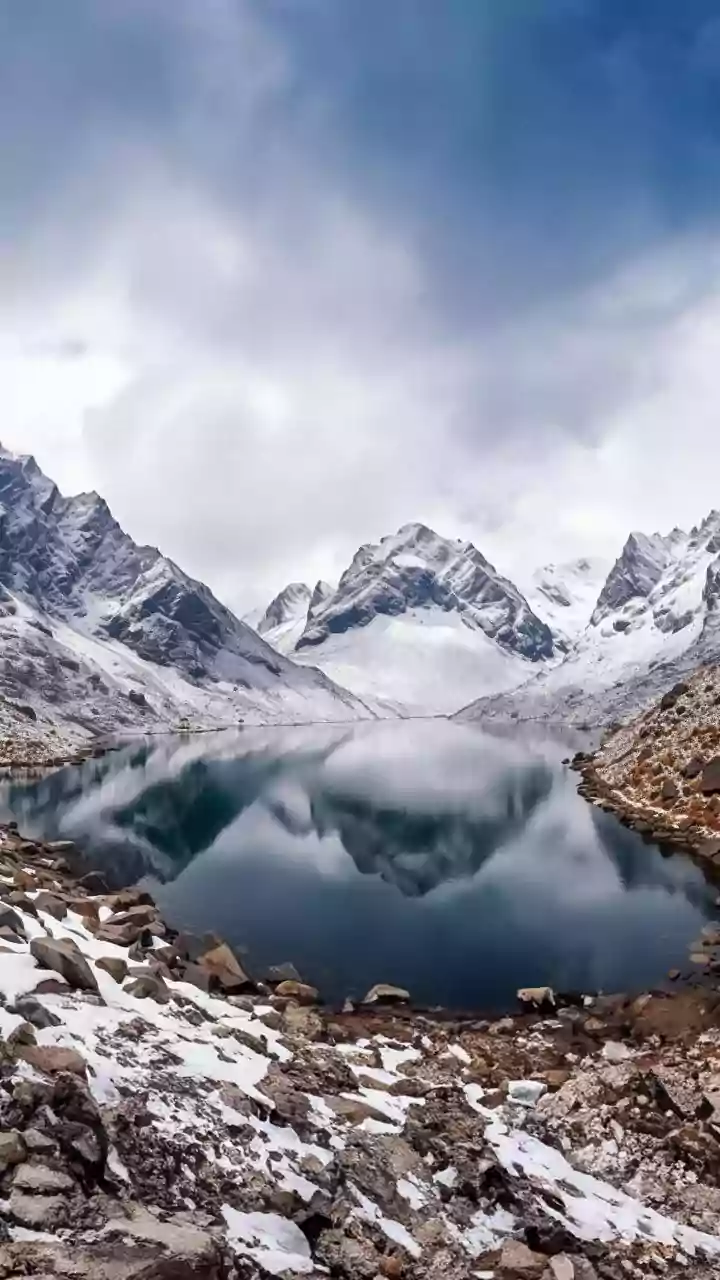
Climate change is acting as a threat multiplier, making an already dangerous situation even worse. Rising global temperatures are causing Himalayan glaciers to melt at an accelerated rate. This not only changes river flows but also leads to the formation and expansion of massive glacial lakes, often held back only by unstable walls of rock and debris. A sudden failure of one of these natural dams can cause a Glacial Lake Outburst Flood (GLOF), unleashing a devastating wall of water downstream. At the same time, climate change is making monsoon rainfall more erratic and intense, leading to longer dry spells followed by extreme downpours that the fragile landscape cannot handle. One recent study found that climate change made the rainfall behind deadly floods in Nepal about 10% more intense.
A Cascade of Catastrophe
In the Himalayas, disasters are rarely isolated events. A landslide can thunder down a valley and block a river, forming a temporary dam. When the pressure from the rising water becomes too great, this dam can burst, causing a catastrophic flash flood that devastates communities far downstream. Experts call this phenomenon of linked events a 'cascading hazard'. An earthquake can trigger thousands of landslides simultaneously, as seen during the 2015 Gorkha earthquake, leaving slopes critically weakened for years to come. These complex chains of events highlight the interconnected nature of risk in mountainous regions, where a single incident high in the peaks can become a far-reaching disaster for those living in the valleys and plains below.