




Choose Your Shell Wisely
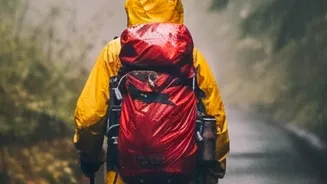
The single most important decision is your rain jacket. Leave the heavy, insulated winter coat at home. Your goal is a lightweight, packable but fully waterproof 'shell' jacket. Look for technical fabrics like GORE-TEX Paclite or Pertex Shield, which
are designed for weather protection without the bulk. A good quality shell can be compressed to the size of an apple and weigh less than 300 grams. This piece of gear will be your primary defence against downpours, so investing in a modern, lightweight version pays huge dividends in saved space and weight. Many brands offer shells that are perfect for hiking but stylish enough for city wear.
Master the Art of Layering
Instead of a single bulky garment, think in terms of a three-part layering system. First, a moisture-wicking base layer (like merino wool or a synthetic tee) keeps you dry from the inside. Second, a thin mid-layer provides insulation; think a lightweight fleece or a packable down vest. Finally, your waterproof shell jacket goes on top to protect you from wind and rain. This system is far more versatile than one heavy coat. You can wear each piece individually or combine them as needed, adapting to everything from a chilly morning to a sudden cloudburst. This adaptability means you pack fewer, more functional items.
Embrace Multi-Purpose Gear
Every item in your 7kg bag has to earn its place. Seek out clothing that can do double or even triple duty. For instance, consider hiking trousers made from quick-drying, water-resistant fabric. They are comfortable enough for a flight, durable for a trail, and can handle light showers, saving you from packing a separate pair of waterproof overtrousers unless you expect torrential rain. Similarly, choose one pair of waterproof walking shoes or boots that are comfortable enough for a full day on your feet but can also look smart enough for a casual dinner. This eliminates the need for multiple pairs of bulky footwear.
Become a Compression Expert
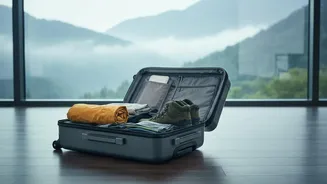
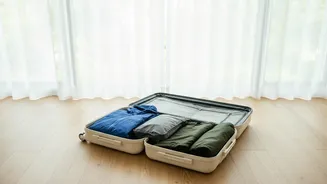
To tame bulky items like a fleece mid-layer or extra trousers, compression is key. Compression packing cubes are a traveller's best friend. These are different from standard packing cubes; they feature an extra zipper that squeezes the air out, significantly reducing the volume of your clothes. Roll your clothes tightly before placing them in the cube, then use the compression zipper to cinch everything down. This can reduce the space your clothing takes up by 30% or more, freeing up valuable room for other essentials. For a rain jacket, you can often stuff it into its own pocket or a small stuff sack.
Wear Your Weight
This is the oldest trick in the book for a reason. If you are struggling to meet the 7kg limit, wear your heaviest and bulkiest items on the plane. This almost always means your waterproof jacket and your walking shoes or boots. A jacket can be easily carried over your arm or used as a pillow, and it doesn't count towards your carry-on weight once you're wearing it. While it might feel slightly cumbersome at the airport, it’s a simple and effective way to ensure your bag stays under the limit without having to leave critical gear behind.
Plan Your Outfits Strategically
For a seven-day trip, you don't need seven distinct outfits. Adopt a capsule wardrobe approach by choosing a simple, neutral colour palette (e.g., black, grey, navy) for your main items. Pack four tops and two pairs of trousers that all work together. This allows you to create multiple combinations from a small selection of clothes. Add one or two accessories, like a colourful scarf or a lightweight merino wool beanie, to change up your look. This disciplined approach prevents overpacking and ensures everything you bring is utilized. A focus on versatile fabrics that are quick to dry, like merino wool, means you can even wash an item in the sink and have it ready to wear the next day.