








What Is Destination Gatekeeping?
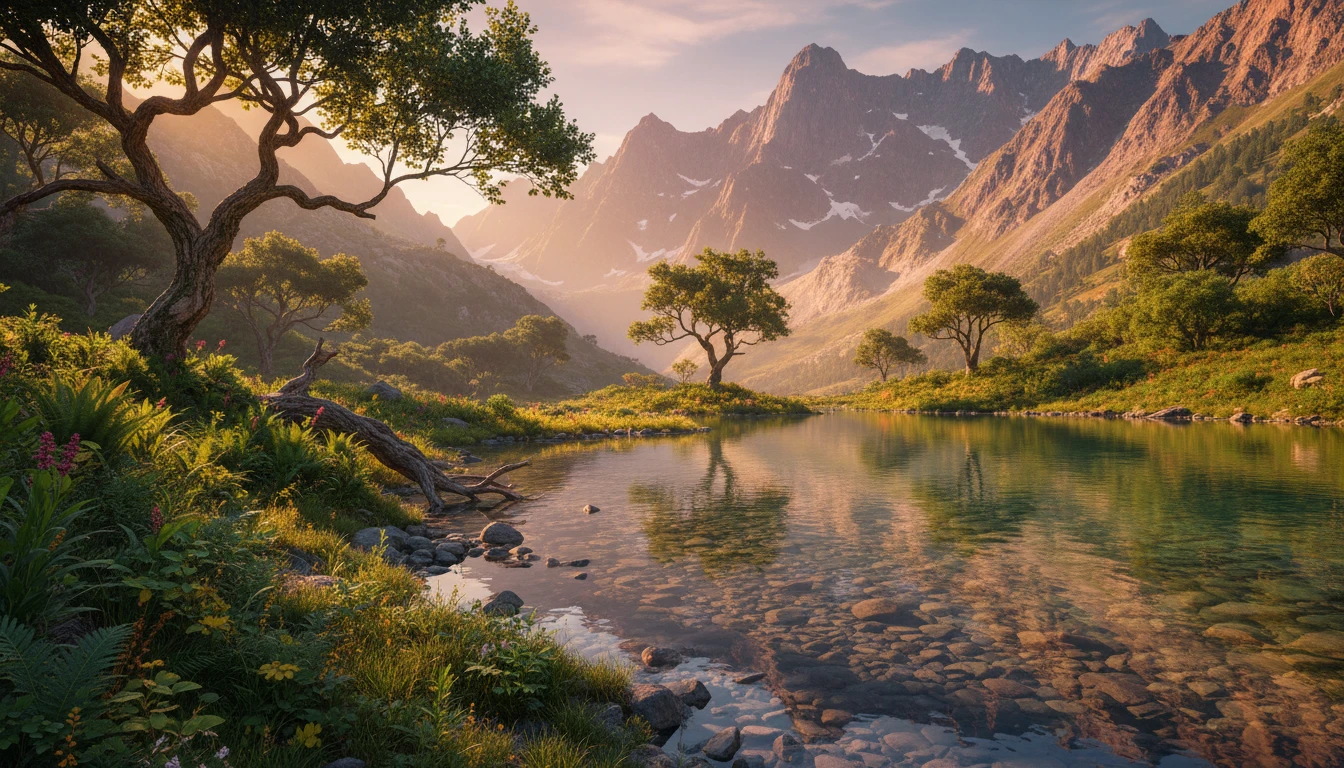
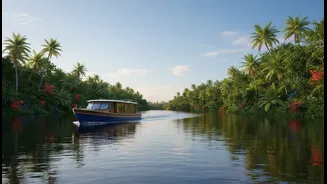
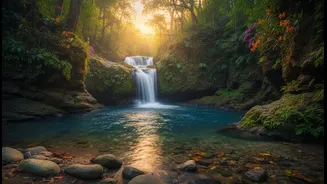
Destination gatekeeping, sometimes called 'digital silence', is the conscious choice not to reveal the exact location of a beautiful or sensitive place, especially on social media. Instead of geotagging a pristine waterfall or a hidden Himalayan meadow,
travellers might post a photo with a vague caption or no location at all. The goal isn’t necessarily to be elitist or secretive for the sake of it. For most, the aim is conservation. It’s a grassroots reaction against the kind of social media-fuelled tourism that can turn a quiet village into a crowded photo-op, overwhelming local infrastructure and ecosystems. By not dropping a pin, these travellers hope to prevent a place from becoming the next viral hotspot, trampled by crowds in search of the perfect frame.
A Reaction to Runaway Tourism
This trend didn’t appear in a vacuum. It’s a direct consequence of overtourism, a problem plagaging many of India’s most beloved destinations. From the crowded streets of Manali and Shimla to the strained resources of Goa, the impact of too many visitors is clear. Residents in places like Fontainhas, Goa's historic Latin Quarter, report their narrow, colourful streets being transformed into chaotic content-creation hubs, with locals feeling besieged in their own homes. The issue is often not tourism itself, but a specific style of travel driven by online visibility. When a destination is reduced to a photo backdrop, its cultural and environmental soul is often the first casualty. This has led to environmental degradation, rising costs of living for locals, and a loss of authenticity in many popular areas.
The Shift to Thoughtful Discovery
This is where the headline’s claim comes into play. Proponents argue that gatekeeping encourages a more thoughtful and engaged way of travelling. When a destination isn’t served up on a platter via a geotag, finding it requires effort. It pushes travellers to do their own research, to pore over maps, read blogs, and perhaps even talk to people. This process of discovery fosters a deeper connection to a place. The journey becomes as important as the destination. It shifts the focus from simply 'getting the shot' to understanding and appreciating the location. This aligns with the broader 'slow travel' movement gaining traction in India, where travellers prioritize immersive experiences and genuine cultural connections over rushing through a checklist of sights. The idea is to leave a place better than you found it, supporting local communities and minimizing your environmental footprint.
Is Gatekeeping Elitist?
Of course, the practice is not without its critics. The most common argument against destination gatekeeping is that it’s a form of elitism. Critics say it’s an attempt by a privileged few to keep public lands and beautiful places to themselves, deciding who is worthy of visiting. After all, these places should be for everyone to enjoy, not just those with the time and resources to 'earn' their discovery. There is a concern that this could prevent people from discovering new places and having experiences they otherwise would not have access to. The debate highlights a fundamental tension in modern travel: how do we balance the democratic ideal of access for all with the urgent need for conservation and respect for local communities?
A New Travel Ethic for India
Ultimately, destination gatekeeping is a symptom of a larger, positive shift in India's travel culture. More than ever, Indian travellers are seeking meaningful journeys that go beyond the superficial. There's a growing appetite for eco-conscious stays, wellness retreats, and authentic cultural immersion that supports local economies. People are swapping crowded tourist hubs for quieter villages and choosing homestays over corporate hotels. They are becoming more aware of their impact and want their travels to be a force for good. Gatekeeping, in this context, is one tool—imperfect, perhaps, but well-intentioned—in a larger toolkit for building a more sustainable and respectful way of exploring the incredible diversity of India. It’s a move from being a mere tourist to becoming a conscious traveller.