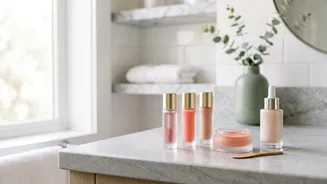






The era of heavy contour and full-coverage foundation is fading. Today, a new ideal reigns: 'skinimalism'. This is not just a trend, but a cultural shift empowering people to embrace their real skin, with all its perfect imperfections.
From 'Instagram Face' to Authentic Skin
For years, the dominant
beauty look, particularly on social media, was one of polished perfection. The term 'Instagram Face' came to define a homogenous ideal characterized by flawless, poreless skin, sharp contouring, and heavy coverage that masked any perceived imperfection. This aesthetic drove a boom in complex, multi-step routines and high-coverage products. However, a significant shift is underway. The pendulum is swinging away from masking the skin and towards celebrating it. This new movement, often called 'skinimalism,' champions a 'less is more' philosophy. It prioritizes skin health and embraces natural texture, freckles, and all. Instead of erasing features, the goal is to enhance them with lightweight, breathable products.
The Rise of 'Skincare-First' Beauty
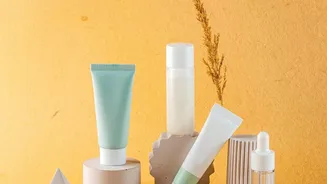
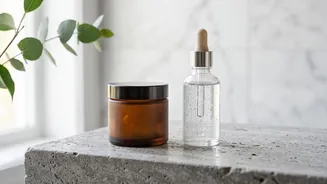
A key driver of this trend is the convergence of makeup and skincare. Consumers are increasingly educated about ingredients and long-term skin health. This has fueled demand for multifunctional products that offer benefits beyond simple coverage. The market for tinted moisturizers, skin tints, and serum foundations is growing rapidly, with projections showing continued strong expansion. These hybrid products often contain active ingredients like hyaluronic acid, antioxidants, and SPF, aligning with a consumer desire to treat and protect their skin, not just cover it up. This 'skincare-first' mindset reframes makeup as an extension of a healthy skin routine, rather than a separate corrective measure.
Authenticity as the New Aspiration
This movement is about more than just products; it reflects a deeper cultural pivot towards authenticity. Social media platforms, once the home of unattainable perfection, are now also spaces for celebrating real skin. Movements promoting body positivity and unfiltered selfies encourage a more honest and inclusive vision of beauty. For many, especially younger consumers like Gen Z, this shift is tied to their values of self-expression and sustainability. Choosing minimal makeup becomes an act of defiance against unrealistic standards and a vote for a more mindful, eco-conscious lifestyle that involves less product waste. Brands are responding by showcasing a wider range of skin tones and textures in their marketing, moving away from a one-size-fitsall ideal.
The Psychology of Minimalist Confidence
Choosing to wear less makeup can be a powerful psychological act. While cosmetics can certainly boost confidence, some studies suggest that a frequent reliance on heavy makeup can be linked to higher anxiety and self_consciousness. Opting for minimal coverage can be liberating, reducing the pressure to present a 'perfect' face to the world. This approach fosters a confidence that comes from self_acceptance rather than concealment. It's about feeling comfortable in your own skin and deriving self_worth from within, not from external validation. This doesn't mean giving up makeup entirely, but rather, redefining the relationship with it as a tool for self_expression and enhancement, not a mask to hide behind.