






The Vibe: Tea Estates vs. Colonial Town
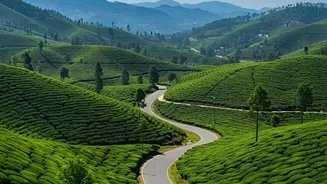
Your first decision point is understanding the fundamental difference in atmosphere. Munnar, in Kerala, is all about sprawling, unending tea plantations. It’s a landscape-first destination where the scenery is the main attraction. The vibe is generally
quieter, more spread out, and focused on nature, making it ideal for those seeking relaxation, photography, and romantic escapes. Ooty, in Tamil Nadu, is a more traditional hill station town. While it has tea gardens, its identity is shaped by its colonial past, with a bustling town centre, botanical gardens, a man-made lake, and Raj-era architecture. If you prefer a destination with a defined town to walk around, more shops, and structured sightseeing, Ooty is the clearer choice.
November Weather and Scenery
November is an excellent time to visit both hill stations, as the monsoon has just passed, leaving everything lush and green. In Munnar, expect pleasant and cool weather, with temperatures typically ranging from 15°C to 22°C. Mornings are often misty, creating a magical atmosphere over the tea valleys, though there's still a chance of occasional showers. It's considered a peak month, so expect more visitors. Ooty is noticeably colder due to its higher altitude. November temperatures hover between a cool 12°C and 20°C. The air is crisp, and while some rain from the northeast monsoon is possible, the days are generally clear and perfect for exploring the gardens and viewpoints. If you enjoy a distinct chill in the air and cosy evenings, Ooty has the edge.
Attractions and Activities
Your choice also depends on what you want to do. Munnar’s attractions are deeply tied to its natural surroundings. Key activities include visiting the Tea Museum to learn about tea processing, walking through vast estates, visiting Eravikulam National Park to spot the endangered Nilgiri Tahr, and driving up to Top Station for panoramic views. It's a haven for trekking and nature walks. Ooty offers a more varied list of classic tourist spots. The highlights include the UNESCO World Heritage Nilgiri Mountain Railway (the 'toy train'), boating on Ooty Lake, exploring the Government Botanical Garden, and visiting Doddabetta Peak, the highest point in the Nilgiris. Families with children often find Ooty's mix of activities more engaging.
Accessibility and Getting Around
How you plan to travel is a practical consideration. Ooty is generally more accessible. The nearest major airport is in Coimbatore (around 88 km away), and it has its own railway station, Udhagamandalam, which is connected by the famous toy train from Mettupalayam. Munnar does not have a railway station or an airport. The nearest airport is Cochin International Airport (around 110 km away) and the nearest major railway station is Aluva (around 110 km away). Reaching Munnar requires a road journey of several hours, which is scenic but can be winding. Once there, you'll need to hire a car or auto-rickshaw to explore the spread-out attractions.
Budget and Accommodation
Both destinations cater to a wide range of budgets, from basic homestays to luxurious resorts. Broadly, the costs for accommodation, food, and local transport are comparable. An average budget per day for a couple can be estimated similarly for both places, excluding travel to the destination. However, the type of accommodation you get for your money differs. Munnar excels in offering resorts and homestays set within tea estates or with stunning valley views, emphasizing a private, nature-immersed experience. Ooty has a higher concentration of hotels within the town itself, alongside colonial-style bungalows and heritage properties that offer a different kind of charm.