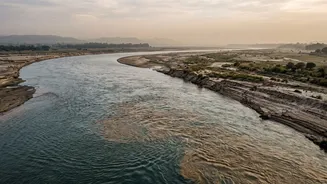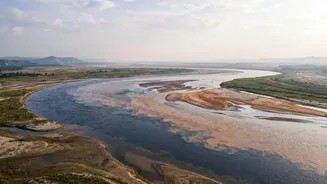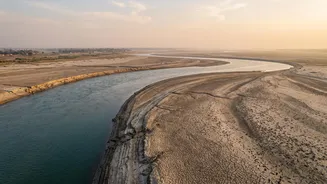


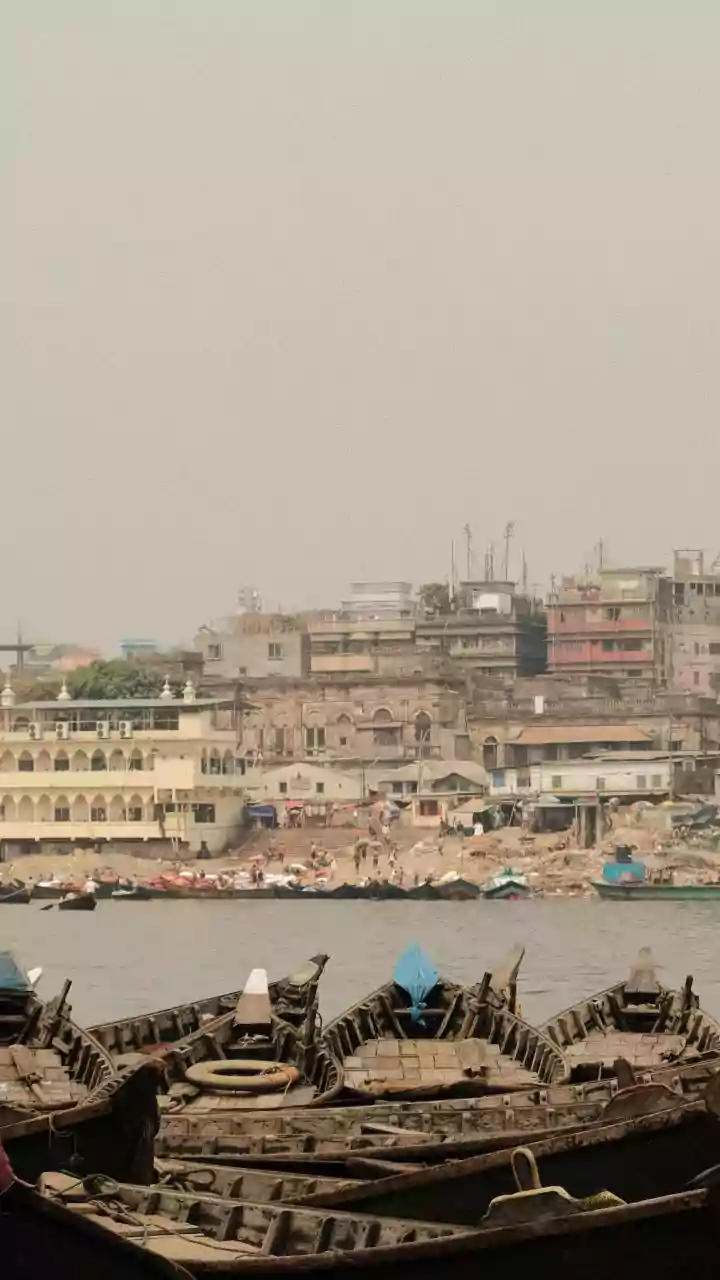
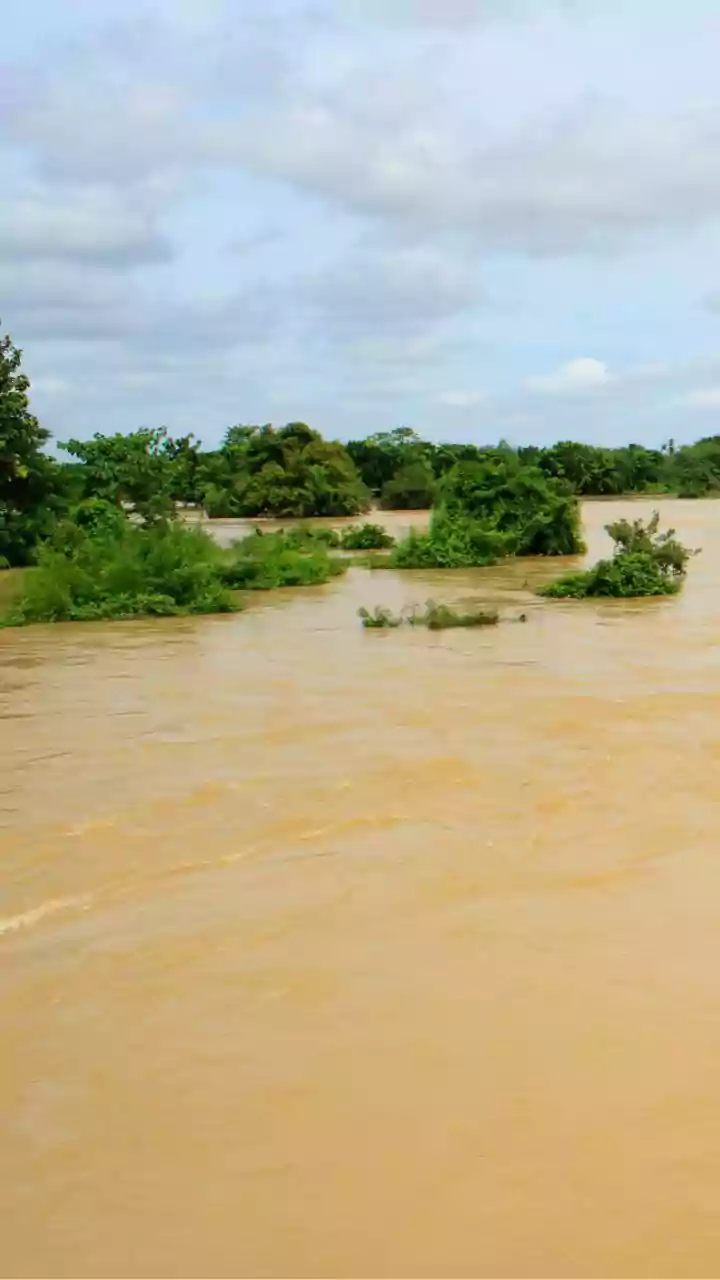

For nearly three decades, a landmark treaty has governed how India and Bangladesh share the waters of the sacred Ganges river during the critical dry season. As this historic pact approaches its 2026 expiration, its legacy and future are under scrutiny.
The Farakka Flashpoint
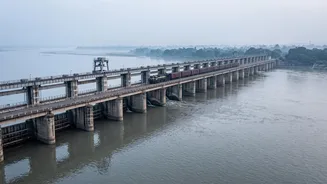
The story of the Ganges Pact begins with the Farakka Barrage, a structure India built in West Bengal, approximately 18 kilometres from the Bangladesh border, and commissioned in 1975. The barrage was designed to divert water into the Hooghly River to flush out silt and improve navigation for Kolkata Port. However, this unilateral diversion had immediate and severe consequences for downstream Bangladesh. It drastically reduced freshwater flow during the lean season, leading to increased salinity in the southwest, harming agriculture, devastating fisheries, and disrupting the delicate ecosystem of the Sundarbans mangrove forest. This created a major point of friction in bilateral relations, sparking a dispute that would last for over two decades.
Forging a Historic Agreement
After years of failed negotiations and temporary arrangements, a breakthrough occurred in 1996. On December 12, Indian Prime Minister H. D. Deve Gowda and his Bangladeshi counterpart, Sheikh Hasina, signed the 'Treaty between the Government of the Republic of India and the Government of the People's Republic of Bangladesh on Sharing of the Ganga/Ganges Waters at Farakka'. Valid for 30 years, the pact was hailed as a diplomatic triumph. It established a specific formula for sharing water from January 1 to May 31 each year, based on the flow available at Farakka, measured in 10-day periods. If the flow is 70,000 cusecs (cubic feet per second) or less, both countries get 50%. If it's between 70,000 and 75,000 cusecs, Bangladesh is guaranteed 35,000 cusecs. Above 75,000 cusecs, India receives 40,000 and Bangladesh gets the rest.
A Legacy of Cooperation
The treaty’s greatest success has been diplomatic. It transformed a contentious dispute into a manageable process, creating a predictable framework and reducing a major irritant in India-Bangladesh relations. By establishing a Joint Committee for monitoring flows, it institutionalised cooperation and provided a stable foundation for broader partnership between the two neighbours. For many, it stands as a rare and positive example of transboundary water management in a region where such disputes, like the one over the Teesta River, often remain unresolved. Despite changes in government in both nations, the treaty has been upheld, demonstrating its resilience as a cornerstone of the bilateral relationship.
Strains, Scarcity, and Climate Change
Despite its diplomatic success, the treaty has not been without problems. Bangladesh has often complained that the actual water received falls short of the agreed-upon shares, especially in critically dry years. The pact's formula, based on historical flow data from 1949 to 1988, is increasingly seen as outdated and illequipped to handle new realities. It does not account for the growing impacts of climate change, such as unpredictable rainfall and glacier melt, nor does it address upstream water abstraction or broader ecological issues like water quality and sediment management. Studies suggest that while the treaty provided a sharing formula, it hasn't significantly improved the overall dry season flow into Bangladesh compared to the pretreaty era.
The Crossroads of Renewal
As the treaty's expiration in December 2026 looms, negotiations for its future are gaining urgency. A simple extension seems unlikely. Bangladesh is pushing for a new, long term agreement that includes a guarantee clause and better addresses its water security needs. India, meanwhile, faces its own rising domestic water demands and political considerations, with states like Bihar expressing reservations. Recent reports suggest that technical level talks are ongoing, but a consensus on the path forward remains elusive. The renewal process is no longer just about dividing a fixed volume of water; it's about creating an adaptive, forward looking agreement that can manage shared resources sustainably in an era of climate uncertainty.