


The Unseen Risks of a Wet Walk
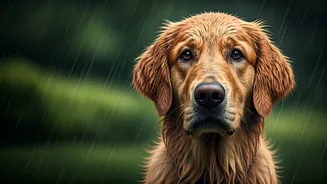
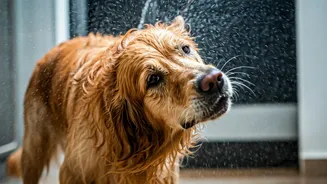
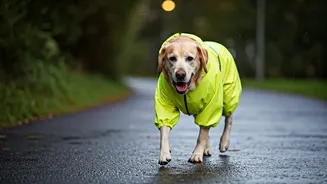
A quick shake-off at the door isn't enough to combat the challenges of the rainy season. Damp fur and paws are a perfect breeding ground for bacteria and fungi, leading to painful skin infections, often called 'hot spots', and stubborn fungal growths
between the paw pads. The water your dog gleefully splashes in can be contaminated, carrying risks of gastrointestinal issues or more serious diseases like leptospirosis. Furthermore, puddles can conceal sharp objects like broken glass or stones, which can cause cuts and injuries that go unnoticed under a layer of mud. A simple, consistent post-walk checkup is not just about cleanliness; it's a crucial preventative health measure that keeps your furry companion safe, comfortable, and out of the vet's office.
Step 1: The Essential Paw Check
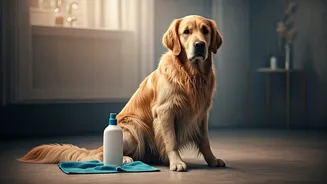
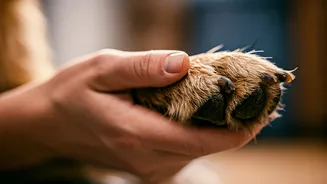
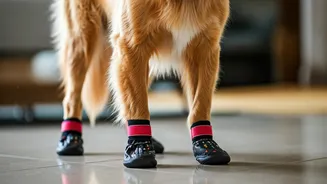
Start with the paws, the part of your dog that makes the most contact with wet, dirty ground. This isn't just a wipe-down; it's a careful inspection. Gently but firmly hold each paw and use a soft, absorbent towel to dry it completely. Pay special attention to the areas between the toes and paw pads, as this is where moisture loves to hide, leading to yeast and fungal infections. As you dry, look for any signs of trouble: redness, swelling, cuts, or foreign objects like tiny pebbles or thorns lodged in the pads. If you find a small cut, clean it with a pet-safe antiseptic. A dog’s paws can become dry and cracked from repeated exposure to water and rough surfaces, so consider applying a soothing paw balm after they are clean and dry. This routine not only keeps paws healthy but also gets your dog comfortable with having their feet handled, which is a bonus for future vet visits and nail trims.
Step 2: A Thorough Coat and Skin Inspection
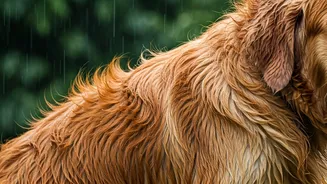
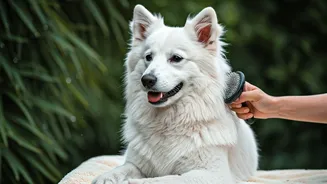
A damp coat is more than just a smelly inconvenience; it's a health hazard. Trapped moisture against the skin can quickly lead to skin irritation and bacterial infections. For short-haired dogs, a vigorous rubdown with a highly absorbent microfibre towel might suffice. However, for dogs with long or double coats, a surface-level drying is not enough. You must ensure the undercoat is dry. After towelling, use a pet-specific hairdryer on a low-heat, low-speed setting, keeping it moving to avoid concentrating heat on one spot. As you dry, part the fur and check the skin for any redness, rashes, or ticks and fleas, which thrive in humid conditions. Brushing your dog’s coat after it's dry helps to remove any remaining debris, prevent matting, and distribute natural oils, keeping their coat healthy and shiny.
Don't Forget the Ears and Underbelly
Two often-neglected spots are the ears and the underbelly. These areas are highly susceptible to issues during the monsoon. Water and moisture can easily get trapped in the ear canal, especially in breeds with floppy ears, creating a perfect environment for painful ear infections. After each walk, gently wipe the inside of your dog’s ear flap with a dry cotton ball or a soft cloth. Never insert anything into the ear canal. Check for any unusual discharge, redness, or odour, which could signal an infection that needs veterinary attention. The underbelly is also prone to getting splashed with dirty water. A quick wipe-down of their stomach and groin area will remove contaminants and prevent skin irritation in these sensitive spots.