






Your Essential Document Checklist
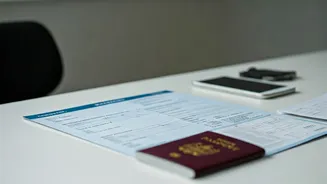
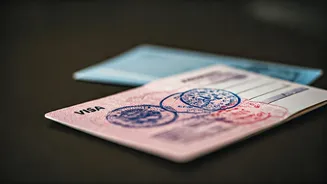
First things first: Indian passport holders need a visa to enter Japan and it cannot be obtained on arrival. You must apply for a short-term tourist visa in advance. This can be done through VFS Global centres across India or via the JAPAN eVISA system,
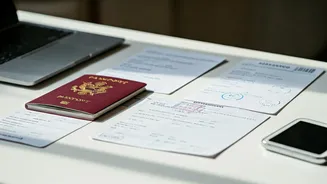
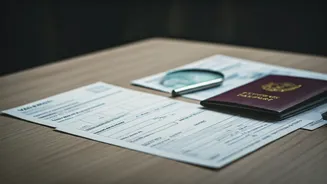
which requires applying through an accredited travel agency. The visa fee itself is relatively low, around INR 500 as of April 2026, though service fees will apply. Beyond the visa, you'll need a passport with at least six months' validity and two blank pages, recent photographs, return flight bookings, a detailed itinerary, and proof of accommodation. You will also need to provide financial documents, such as the last few months of bank statements and income tax returns, to prove you can fund your trip.
Mastering the 'Visit Japan Web' System
To speed up your arrival, the Japanese government highly recommends using the 'Visit Japan Web' service. This free online portal allows you to pre-register your immigration and customs information before you fly. You'll create an account, enter your passport and flight details, and complete the necessary declarations. Once done, you will receive QR codes. You can then present these codes at immigration and customs kiosks at major airports like Narita, Haneda, and Kansai. While not strictly mandatory, skipping this step means you'll have to fill out paper forms upon arrival, which can lead to significant delays, especially during peak travel seasons. It's a simple, 15-minute task that can save you a lot of time and hassle at the airport.
The Buffer for Time: Navigating Airports
Even with the Visit Japan Web, it’s wise to build a time buffer into your arrival plans. Japanese airports are hyper-efficient but also incredibly busy. The process involves multiple steps: quarantine checks, immigration, baggage claim, and finally, customs. At immigration, you'll have your photo and fingerprints taken. The time to clear all checkpoints can range from 15 minutes to over 45 minutes, depending on how many flights have landed at once. Don't assume you’ll be out in minutes. Plan for potential queues and give yourself at least a couple of hours from landing to when you expect to be on a train heading into the city. This buffer prevents the stress of rushing to catch a pre-booked train or bus.
The Buffer for Money: Budgeting Wisely
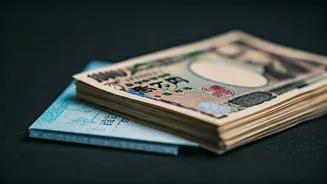
Japan is often perceived as expensive, but recent currency fluctuations have made it more accessible for Indian travellers. However, it remains a country where a financial buffer is essential. A realistic mid-range budget, covering comfortable hotels and a mix of meals, might be between ₹10,000 and ₹20,000 per day. A budget-conscious traveller could manage on ₹5,000 to ₹10,000 daily. Your buffer should account for several things. First, while credit cards are widely accepted in cities, many smaller shops, local restaurants, and transport services still prefer cash. Second, unexpected costs, from train tickets for spontaneous day trips to unique souvenirs, can add up. Having extra funds ensures you can enjoy these unplanned experiences without financial stress. A good rule of thumb is to budget for your planned expenses and then add an extra 15-20% as a contingency.
Putting It All Together Before You Go
Careful planning is the secret to a stress-free Japanese adventure. Before you pack your bags, do a final check. Ensure your visa is secured well in advance—at least 4-6 weeks before your trip. Complete your Visit Japan Web registration at least six hours before your flight. Inform your bank about your travel plans to ensure your cards work seamlessly. While many locals in the service industry speak some English, learning a few basic Japanese phrases like "Sumimasen" (Excuse me/Sorry) and "Arigato" (Thank you) will be greatly appreciated. Lastly, remember that you'll likely do a lot of walking, so pack comfortable shoes. Japan’s public transport is world-class, but navigating large stations and exploring neighbourhoods on foot is part of the experience.