




Why Aim for a High-Protein Breakfast?
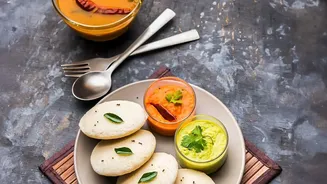
Many beloved Indian breakfast staples like poha, upma, and idli typically offer between 4 to 8 grams of protein per serving. While delicious, this can leave you feeling hungry by mid-morning. Nutritionists suggest aiming for 15-25 grams of protein at
breakfast helps stabilise energy levels, increases satiety to prevent snacking, and supports muscle health. Upping your morning protein doesn't require a complete overhaul or expensive supplements. Instead, a sprinkle of nutrient-dense seed powder can bridge this nutritional gap effortlessly.
The Power Seeds: Your Protein Toolkit
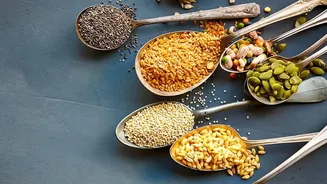
Not all seeds are created equal, but many are tiny powerhouses of protein, healthy fats, and fibre. Pumpkin seeds are a standout, offering one of the highest plant-based protein contents. Flaxseeds and chia seeds are celebrated for their omega-3 fatty acids and fibre, which also contribute to a feeling of fullness. Sunflower and hemp seeds are also excellent, protein-rich choices. A blend of these seeds provides a wider array of amino acids and nutrients. For instance, a 100-gram serving of flaxseeds contains about 18 grams of protein, making it a significant addition to any meal.
From Whole Seeds to Fine Powder
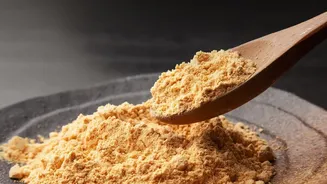
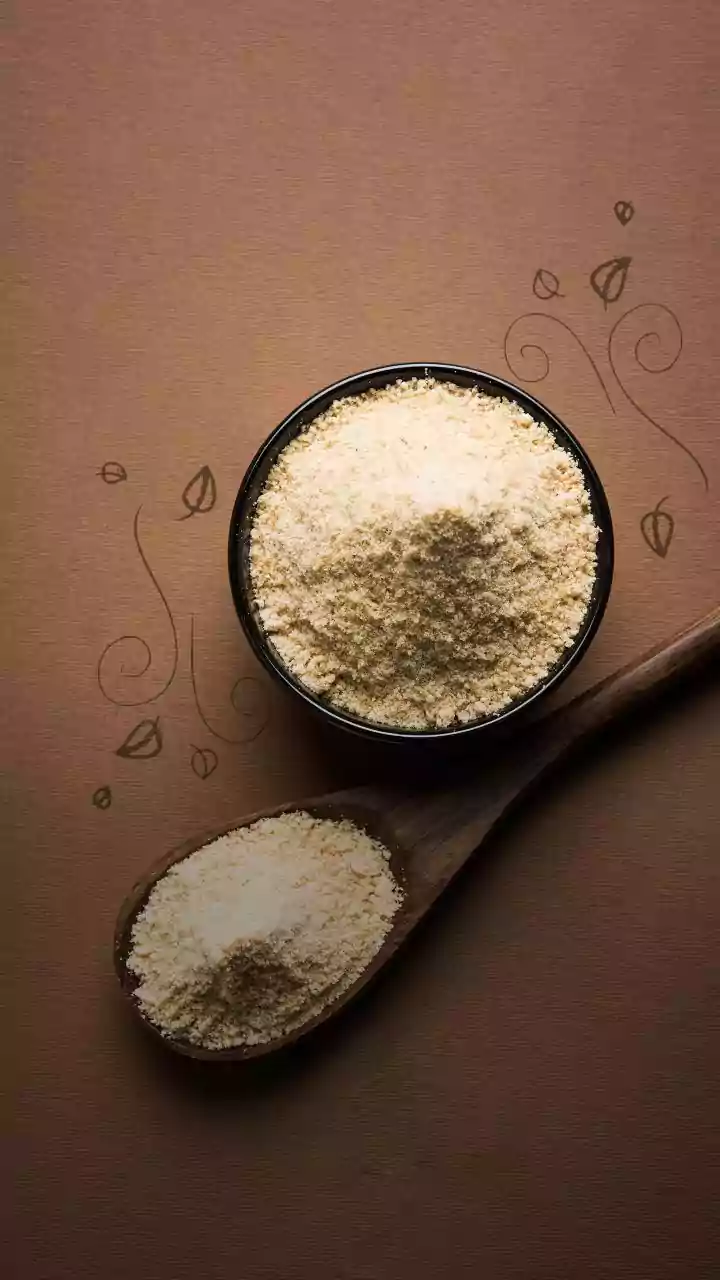
Making your own seed powder is simple and ensures maximum freshness. Start by lightly dry-roasting your chosen seeds (pumpkin, sunflower, flax, etc.) in a pan on low heat for a few minutes until they become aromatic. Roasting enhances the nutty flavour and makes them easier to grind. Let them cool completely to prevent the oils from turning the powder into a paste. Once cool, grind them into a fine powder using a spice grinder or a powerful blender. For best results, it's recommended to grind flaxseeds, as their hard outer shells are difficult for the body to digest, locking away the valuable nutrients inside. Store the powder in an airtight container in the refrigerator for a few weeks.
Upgrading Your Favourite Batters
Incorporating seed powder into traditional Indian batters is surprisingly easy. The key is moderation to avoid altering the texture and taste dramatically. For fermented batters like those for idli and dosa, add the seed powder after the fermentation process is complete, just before you cook. A good starting point is to mix in 2-3 tablespoons of seed powder for every cup of batter. This ratio ensures the batter remains light enough for fluffy idlis and crisp dosas. For instant batters like besan or ragi chilla, you can whisk the powder in with the flour and other dry ingredients before adding water. The powder blends seamlessly, adding a subtle, nutty depth of flavour.
Tips for Perfect Integration
When adding powders to dosa or idli batter, especially those from sticky seeds like flax, you might notice the batter thickens slightly. If this happens, you can add a tablespoon or two of water to achieve the desired pouring consistency. Since seeds like flax absorb a lot of water, some recipes suggest soaking them separately before grinding and adding them to the lentil and rice mixture. This can result in a smoother batter. Experiment with different seed combinations to find a flavour profile you enjoy. A mix of pumpkin and sunflower seeds offers a mild, nutty taste, while flax adds a more distinct, earthy flavour.