





The Great Retreat: What is Monsoon Withdrawal?
The monsoon doesn't just stop; it withdraws. This is a gradual process where the seasonal winds that bring moisture-laden air from the Indian Ocean begin to reverse. Instead of moist south-westerly winds, drier north-easterly winds start to dominate.
The India Meteorological Department (IMD) officially declares the withdrawal based on specific criteria, including a cessation of rainfall for five continuous days, a drop in moisture content, and the establishment of an anticyclone in the lower atmosphere. This process typically begins in the northwestern parts of India around mid-September and slowly makes its way southeast across the country over several weeks, often concluding by mid-October for most regions.
From Damp to Dry: The Humidity Plunge
The single biggest change you'll feel during the monsoon withdrawal is a significant drop in humidity. During the monsoon, the air is saturated with water vapour from the ocean, leading to high relative humidity that makes the environment feel sticky and damp. As the winds shift, they begin to pull dry air from the landmass of the Asian continent. This drier air has a much lower concentration of water molecules. The result is a noticeable decrease in the oppressive humidity that defines the rainy season, a phenomenon sometimes referred to as 'October heat' initially, where clear skies can lead to a temporary rise in temperature before it cools down.
The Simple Science of a Dry T-Shirt
So, why does this matter for your clothesline? The answer lies in the science of evaporation. For wet clothes to dry, the water trapped in the fabric must turn into water vapour and escape into the air. How quickly this happens depends heavily on the surrounding air's humidity. When the air is already full of moisture (high humidity), it can't absorb much more, so evaporation is slow and clothes stay damp for hours, or even days. However, when the post-monsoon dry air arrives, it is thirsty for moisture. This low-humidity air can readily absorb the water from your clothes, dramatically speeding up the evaporation process. You'll find that clothes that once took all day to dry might now be ready in just a few hours.
When and Where to Expect the Change
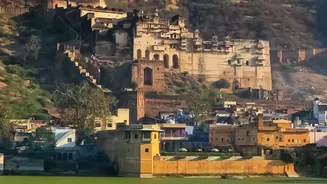
The withdrawal is a staggered event, not a national switch-off. Northwest India, particularly Rajasthan, is typically the first to experience the shift, with withdrawal commencing around September 17th under normal conditions. From there, the line of withdrawal moves progressively southeast. Central India and the Western Ganga plain often see the change by the end of September, while the southern peninsula may not experience the full retreat until well into October. This means Delhi might be enjoying dry, post-monsoon weather while Kerala is still receiving heavy monsoon showers on the very same day. Keep an eye on local IMD reports for the most accurate timing for your specific region.
Beyond the Laundry Line
The benefits of lower humidity extend far beyond faster-drying clothes. That persistent damp feeling in your home will begin to fade, reducing the chances of mould and mildew growth. Many people find the crisp, dry air more comfortable to breathe and better for their skin and hair. The end of the constant rain also means more opportunities for outdoor activities and a general lifting of the gloom that can accompany a long, wet season. While the monsoon is vital for agriculture and water resources, its retreat brings a welcome phase of clear skies and comfortable, dry conditions that many look forward to.