






The Science of a Soggy Salad
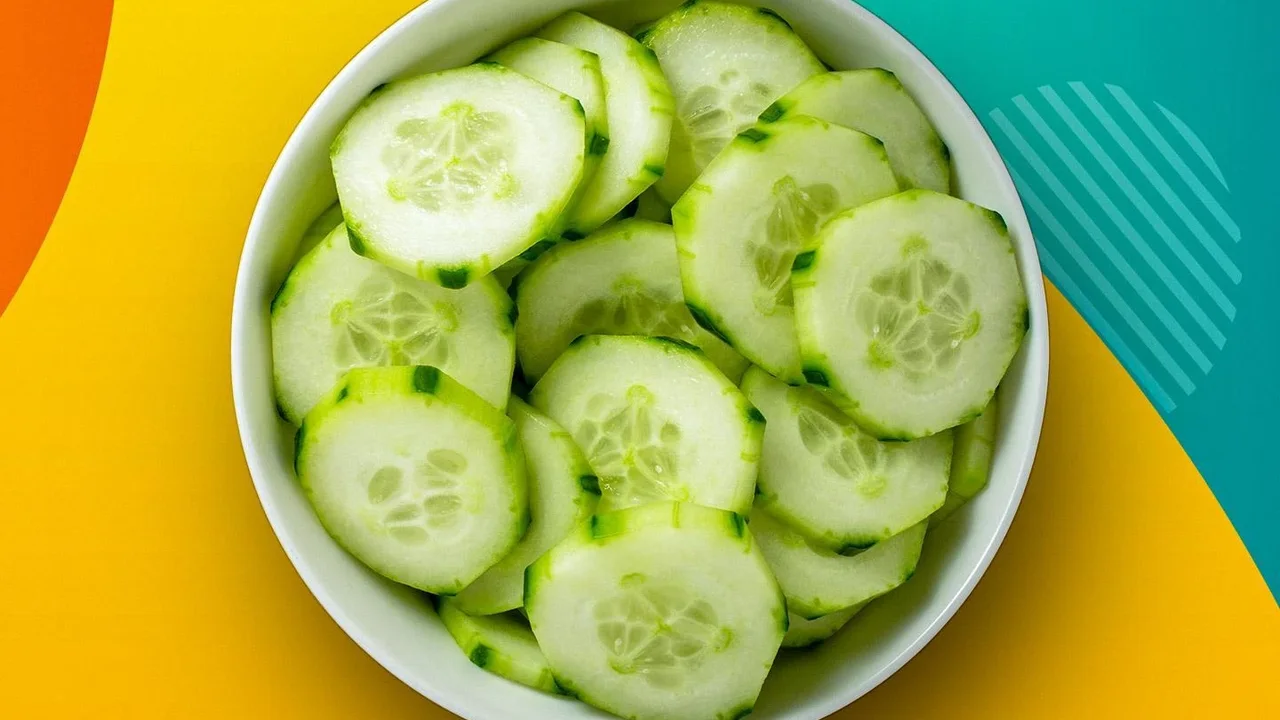
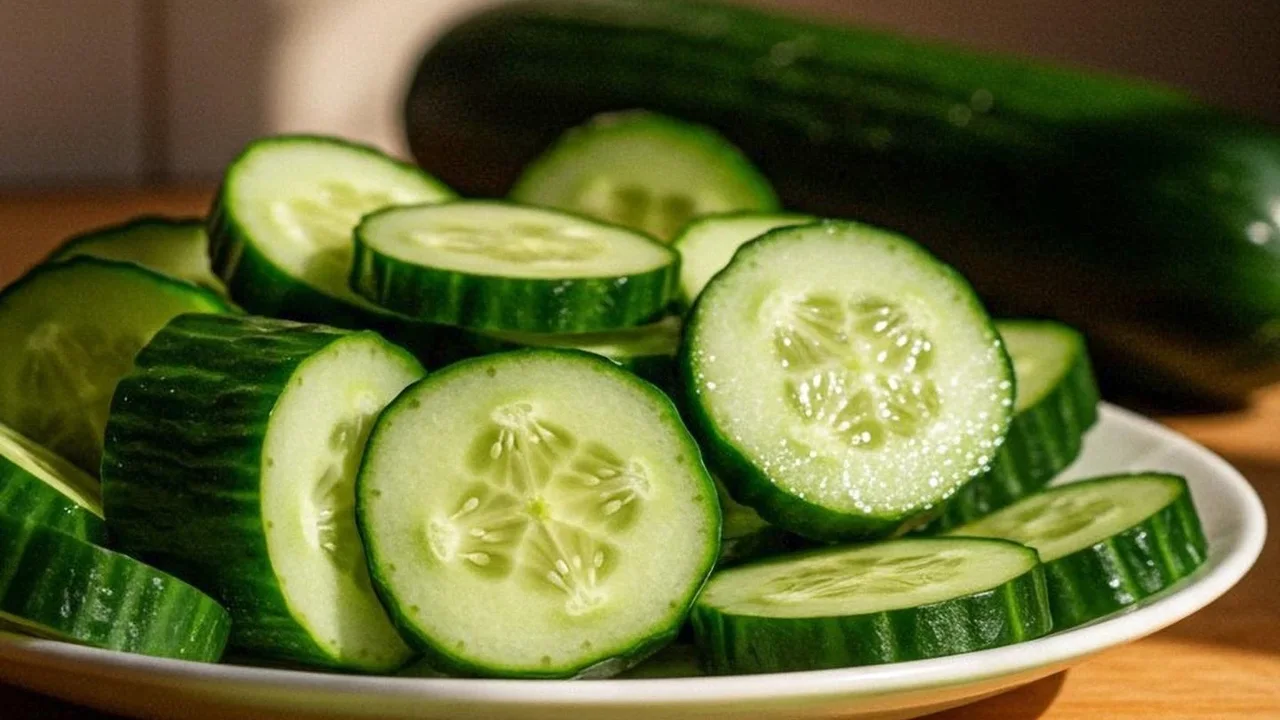
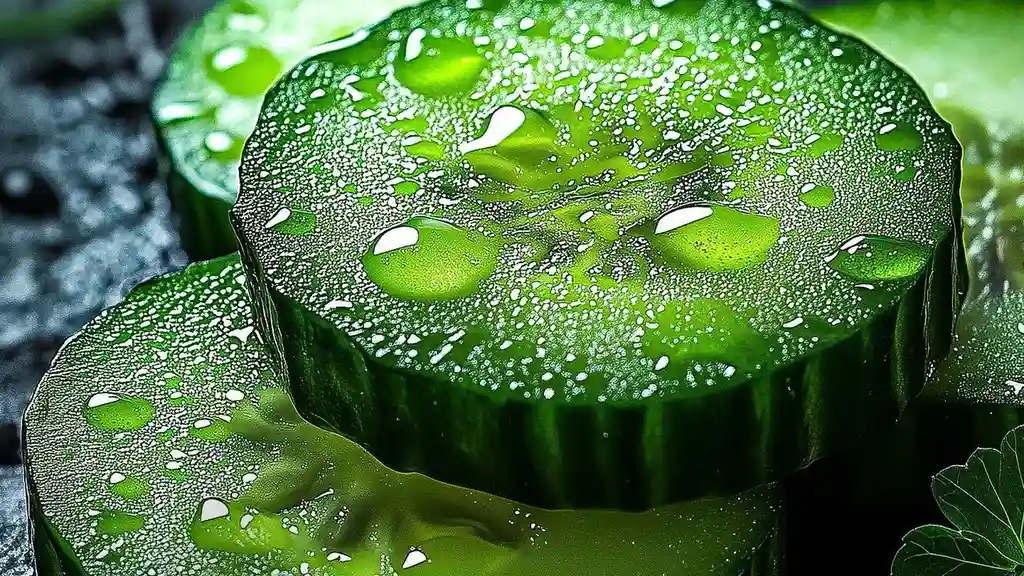
Cucumbers are famously hydrating for a reason: they are made of up to 96% water. When you slice into a cucumber, you break its protective skin and cell walls, which allows all that water to start seeping out. This process, known as osmosis, is accelerated
when you add dressing, especially if it contains salt or acid like vinegar or lemon juice. The salt naturally draws moisture out of the cucumber's cells, leading to that familiar watery puddle at the bottom of your bowl and, sadly, limp, flavourless cucumbers. Even storing them incorrectly in the fridge can lead to chilling injuries, where cold temperatures damage the cell walls, causing soft spots and a mushy texture before you even start.
The Effortless Trick for a Perfect Crunch
The secret to preventing a watery mess and ensuring a satisfying crunch is surprisingly simple: salt your cucumbers before dressing them. This technique is used by chefs and home cooks around the world to draw out the excess moisture beforehand. Simply place your sliced or chopped cucumbers in a colander, sprinkle them generously with salt (about a teaspoon per pound of cucumber), and let them sit for at least 20 to 30 minutes. You will see a surprising amount of water collect in the bowl or sink below. After they’ve had time to drain, give them a quick rinse to remove the excess salt and pat them thoroughly dry with a paper towel. This process not only makes the cucumbers crunchier but also concentrates their flavour, allowing them to absorb the dressing more effectively without diluting it.
Try the 'Smashed' Cucumber Technique
For an even more flavourful experience, consider the popular Asian technique of smashing cucumbers. Instead of slicing, you gently crush the cucumber with the flat side of a large knife, a rolling pin, or even a meat mallet. This method creates irregular, jagged chunks with tons of cracks and crevices. These rough surfaces are perfect for grabbing onto dressing, ensuring every bite is packed with flavour. After smashing, you still follow the same salting process to draw out excess water, resulting in pieces that are both tender and crunchy, and act like a sponge for your chosen sauce. It's a cathartic, quick, and incredibly effective way to prepare them.
An Indian Twist: Khamang Kakdi
This crisping technique works beautifully for classic Indian salads. For a Maharashtrian-style Khamang Kakdi, start with salted and drained cucumbers. To this, add coarsely crushed roasted peanuts for nuttiness and crunch, freshly grated coconut, finely chopped coriander, and a squeeze of lemon juice. The real magic comes from the tadka (tempering). Heat a little ghee or oil in a small pan, and pop mustard seeds and cumin seeds until they're fragrant. You can also add a pinch of asafoetida (hing) and a slit green chilli for a bit of heat. Pouring this hot, aromatic tempering over the cool, crisp cucumbers creates a sensational mix of textures and flavours that is both refreshing and deeply satisfying.
Choosing and Storing Your Cucumbers
The best results start with the right cucumber. Look for varieties with thin skin and fewer seeds, like English, Persian, or Japanese cucumbers, as they tend to be naturally crisper and less watery. If you're using a standard garden cucumber with thick, waxy skin, it's a good idea to peel it and scoop out the seeds, which hold a lot of moisture. To keep them fresh, avoid storing them in the coldest part of your fridge where they can suffer from cold damage. Keep them dry; moisture on the skin accelerates spoilage. If they didn't come wrapped in plastic, wrapping them tightly can help them retain their moisture balance and stay firm for much longer.