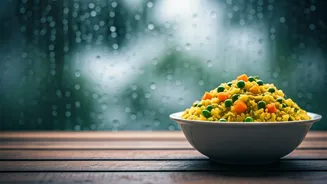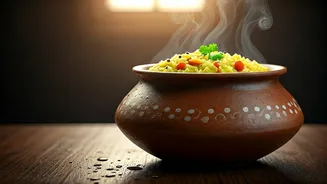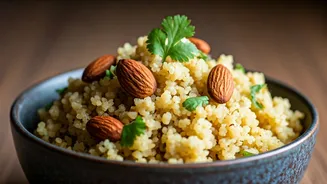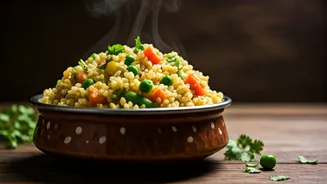





The Soul of Simple Food
In the grand theatre of Indian cuisine, dalia, or broken wheat, is a humble performer. It doesn’t have the glamour of biryani or the richness of butter chicken. Instead, its magic lies in its simplicity and versatility. Known as fada in Gujarat or godhuma
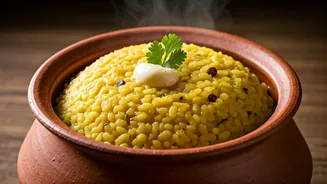
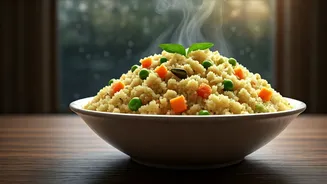
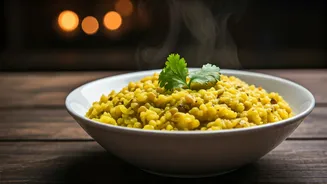
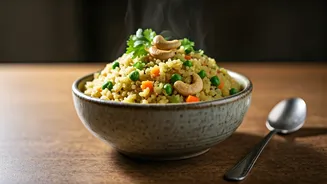
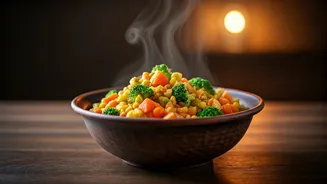
rava in the South, this powerhouse of nutrition is a staple in countless households. It’s the first solid food for babies, a comforting meal for someone feeling under the weather, and a quick, wholesome breakfast for a busy morning. This recipe focuses on the savoury version—namkeen dalia—a one-pot meal that’s both light on the stomach and deeply satisfying. It’s the kind of food that doesn't demand your attention but quietly nourishes you, reminding you of the uncomplicated love of home-cooked food.
The Secret to Perfect Creaminess
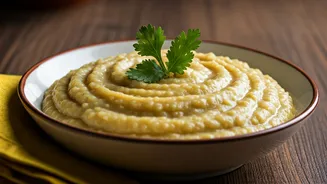
The difference between a watery, bland dalia and a creamy, flavourful one comes down to a few simple techniques. Forget the idea of just boiling it in water. The key is in the ratio and the method. First, always roast the dalia in a little ghee before cooking. This simple step unlocks a nutty, aromatic flavour that forms the base of the dish. Second, the liquid ratio is crucial. A good starting point is a 1:4 ratio of dalia to liquid (a mix of water and milk). Using part milk is a non-negotiable for achieving that luscious, creamy texture that coats the back of a spoon. Finally, patience is your best friend. Cooking it on a low, gentle flame allows the grains to swell slowly, releasing their starches and creating a naturally thick consistency without becoming a solid lump.
Ingredients for Your Bowl of Comfort
This recipe serves two and can be easily scaled. You can make it with or without vegetables, but a few finely chopped additions add both nutrition and texture. - ½ cup dalia (broken wheat) - 1 tablespoon ghee - ½ teaspoon cumin seeds (jeera) - A pinch of asafoetida (hing) - 1 small onion, finely chopped - 1 green chilli, slit (optional) - ½ teaspoon grated ginger - 1 small tomato, finely chopped - ¼ cup mixed vegetables, finely chopped (carrots, peas, and beans work well) - ¼ teaspoon turmeric powder (haldi) - Salt to taste - 2 cups water - ½ cup milk (full-fat is best) - Fresh coriander, for garnish
Step-by-Step to a Perfect Dalia
1. **Roast the Dalia:** In a pressure cooker or a deep pot, heat 1 teaspoon of ghee. Add the dalia and roast on low heat for 3-4 minutes until it turns fragrant and slightly golden. Remove it from the pot and set aside. 2. **Prepare the Tadka:** In the same pot, add the remaining ghee. Once hot, add the cumin seeds and asafoetida. When the seeds start to splutter, add the chopped onion, green chilli, and grated ginger. Sauté until the onions turn soft and translucent. 3. **Add Vegetables and Spices:** Add the chopped tomatoes and mixed vegetables. Cook for 2-3 minutes until the tomatoes soften. Now, add the turmeric powder and salt. Mix well. 4. **Combine and Cook:** Add the roasted dalia to the pot and stir everything together for a minute. Pour in the 2 cups of water and the ½ cup of milk. Give it a good stir, ensuring nothing is stuck to the bottom. 5. **Pressure Cook:** Secure the lid of the pressure cooker. Cook on medium heat for 3-4 whistles. If using a pot, bring it to a boil, then cover and simmer on low heat for 15-20 minutes, or until the dalia is soft and cooked through. You may need to add a splash more water if it becomes too thick. 6. **Garnish and Serve:** Once the pressure releases naturally, open the lid and give the dalia a gentle stir. If it seems too thick, add a little hot water or milk to adjust the consistency. Garnish with fresh coriander and serve hot.
Tips for That 'Ghar Jaisa' Touch
Every family has its own little twist on dalia. To make this recipe truly your own and give it that authentic 'home-style' feel, consider these small adjustments. A squeeze of lemon juice just before serving can brighten up all the flavours. For a richer taste, you can add a handful of roasted peanuts or cashews along with the vegetables. If you prefer a simpler, more soupy consistency, especially when feeling unwell, skip the onions and tomatoes and just temper with ghee, cumin, and ginger. The beauty of dalia is its adaptability. Don't be afraid to adjust the spices or vegetables to what you have on hand. It's a forgiving dish that's meant to be comforting, not complicated.