



The Scale of the Festive Rush
The period from Dussehra to Diwali and Chhath Puja marks one of the largest and most concentrated movements of people in the country. Millions of individuals working and studying in metropolitan hubs like Delhi, Mumbai, Bengaluru, and Hyderabad embark
on journeys to their hometowns, primarily in states like Uttar Pradesh, Bihar, West Bengal, and Punjab. This isn't just travel; it's a deeply ingrained cultural tradition of celebrating with family. The demand for tickets on trains and buses skyrockets, with waitlists often running into the hundreds just minutes after bookings open. Private bus and flight fares can triple, making planned, public transport the only viable option for many. This massive, simultaneous demand puts immense pressure on a system that is already one of the busiest in the world.
Railways: The Lifeline on Overdrive
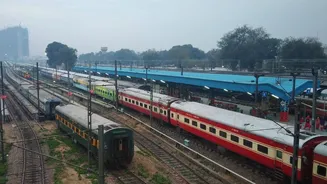
Indian Railways bears the heaviest burden and is central to the festive travel plan. To manage the extraordinary demand, the national transporter announces hundreds of 'Festival Special' trains. These services are strategically planned to connect major cities with high-demand destinations. For the 2026 season, for instance, Northern Railway has announced a slew of services connecting Delhi to cities in Uttar Pradesh and Bihar. These special trains often run for a limited period, sometimes for a 90-day window covering multiple festivals, to provide sustained capacity and reduce the last-minute scramble for tickets. Beyond adding trains, railways focus on crowd management at key stations. This includes deploying additional Railway Protection Force (RPF) personnel, setting up designated holding areas to prevent platform overcrowding, and using technology like AI-powered cameras to monitor crowd density and flow. Mobile apps and online portals are crucial for disseminating information about special trains and their schedules.
Taming the Traffic on the Roads
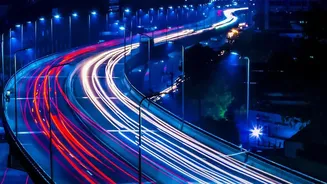
The pressure on the railways spills onto the roads. National highways and city arteries become choked with a mix of private cars and inter-state buses. In response, city traffic police departments deploy extra personnel, especially at market areas, major intersections, and exit points of the city. In cities like Delhi, traffic plans are implemented that may include diversions and restrictions on certain roads to ease congestion. State road transport corporations also play a vital role. In states like Maharashtra, Tamil Nadu, and Karnataka, thousands of extra bus services are run to and from major cities to clear the festive rush. Coordination with highway authorities is crucial to manage traffic on incomplete or congested stretches, such as the Mumbai-Goa highway, where special measures are taken to ensure smoother flow during festival periods. Despite these efforts, private operators often hike fares, prompting crackdowns from state governments to ensure affordability.
Beyond Transport: Keeping Cities Functional
Managing the festival surge isn't just about transport. Municipal bodies have a critical role to play in ensuring the city continues to function smoothly. This involves extensive cleanliness drives in and around busy public areas like markets and bus terminals. Ensuring an uninterrupted supply of electricity and water is another key priority, especially with streetlights, which must be functional to ensure public safety at night. Local authorities and festival organisers work in partnership to manage public spaces, from obtaining structural stability certificates for pandals to planning for emergency medical services and fire safety. This collaborative approach is vital for preventing accidents and ensuring that while a part of the city's population travels out, the city itself remains safe and operational for those who remain.