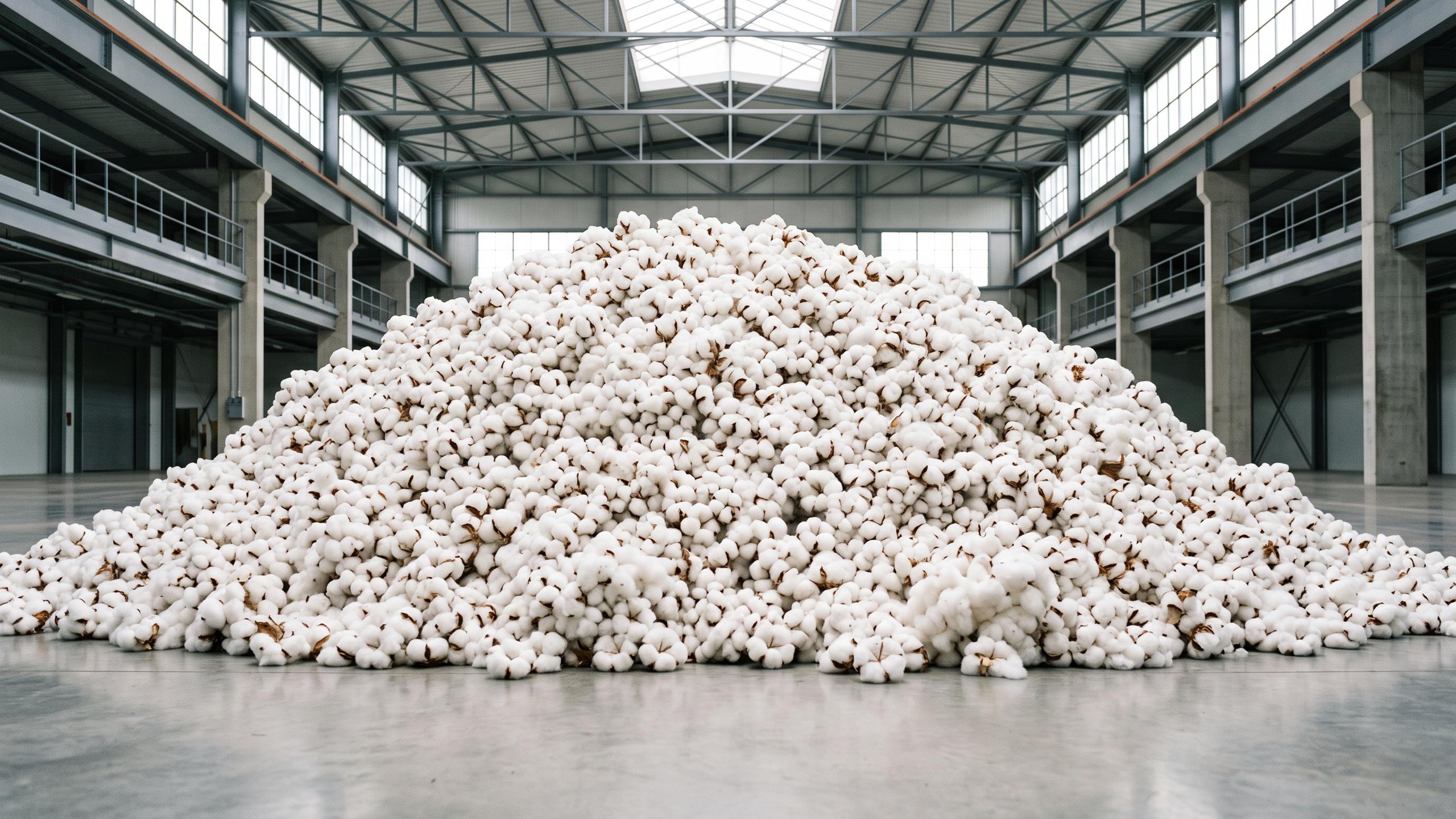







For India's garment industry, stability is key. Recent shifts in trade policy around overseas cotton are creating new challenges and opportunities, directly impacting supply chains and budgets. Here’s what manufacturers need to know right now.
The Shifting Policy Landscape
The primary
'updated guideline' dominating discussions is the government's approach to the 11% customs duty on cotton imports. To ease pressure on textile mills facing high domestic prices, the government waived this duty from June 1 to October 31, 2026. However, with domestic cotton output for 2026-27 projected to be significantly lower than demand—estimates suggest production of 29 million bales against a demand of over 34 million—the industry has been pushing for an extension. As of late October 2026, the government is widely expected to extend the duty-free import window through December 31, 2026, to help mills manage raw material costs and stabilise prices. This policy is a temporary fix for a deeper issue: a shortfall in domestic supply and elevated local prices that remain above the government's minimum support price.
Why Overseas Cotton Remains Crucial
Even as one of the world's largest cotton producers, India relies on imports for specific needs that domestic supply cannot always meet. Garment exporters often need higher-quality, long-staple cotton with low contamination to satisfy the stringent requirements of global brands. Key sourcing markets like the United States, Brazil, and Australia provide this premium cotton. The temporary removal of the 11% import duty is designed to make sourcing from these countries more financially viable, especially when domestic prices are high and quality is variable. However, reliance on imports comes with its own set of budgetary risks, including volatile global futures prices, fluctuating freight charges, and currency depreciation, which can limit the benefits of the duty waiver.
The Direct Impact on Manufacturing Budgets
For garment manufacturers, these policy shifts have immediate and direct budgetary consequences. The suspension of the 11% import duty offers a clear, albeit temporary, cost-saving opportunity. It allows mills to procure essential raw materials without the significant tax burden, helping to keep production costs in check and enhance competitiveness against rivals in countries like Bangladesh and Vietnam. However, this relief is not guaranteed longterm. The decision to extend the waiver is a reactive measure to market conditions. Manufacturers must budget for the potential reinstatement of the duty in the new year. This uncertainty requires careful financial planning, as a sudden return of the tariff would immediately inflate raw material costs and squeeze profit margins, impacting everything from production planning to final product pricing.
Navigating Structural Challenges
Beyond temporary tariff relief, Indian manufacturers face deeper structural issues. Domestic cotton productivity per hectare trails global averages, and challenges like pest pressure and fibre contamination persist. This means that even when domestic cotton is available, it may not meet the quality standards for highndue export orders, forcing manufacturers to look overseas. Furthermore, compliance with evolving standards, such as Quality Control Orders (QCOs), can add complexity and cost, especially when global suppliers are not aligned with Indiaspecific certifications like those from the Bureau of Indian Standards (BIS). These underlying factors mean that sourcing decisions are a constant balancing act between cost, quality, and regulatory compliance.
Adapting Your Sourcing Strategy
In this dynamic environment, a static sourcing strategy is a liability. Manufacturers should view the current dutyfree window as an opportunity to secure highquality stock while planning for future volatility. Key adaptive strategies include diversifying the supplier base across different countries to mitigate geopolitical and climaterelated risks. Forwardthinking companies are also exploring longterm contracts where possible, investing in better inhouse quality testing to manage variations in raw material, and closely monitoring government policy updates. Ultimately, building resilience requires a multipronged approach : leveraging domestic supply when quality permits , using imports strategically for highvalue products , and maintaining a flexible budget that can absorb sudden policy shifts and market fluctuations.